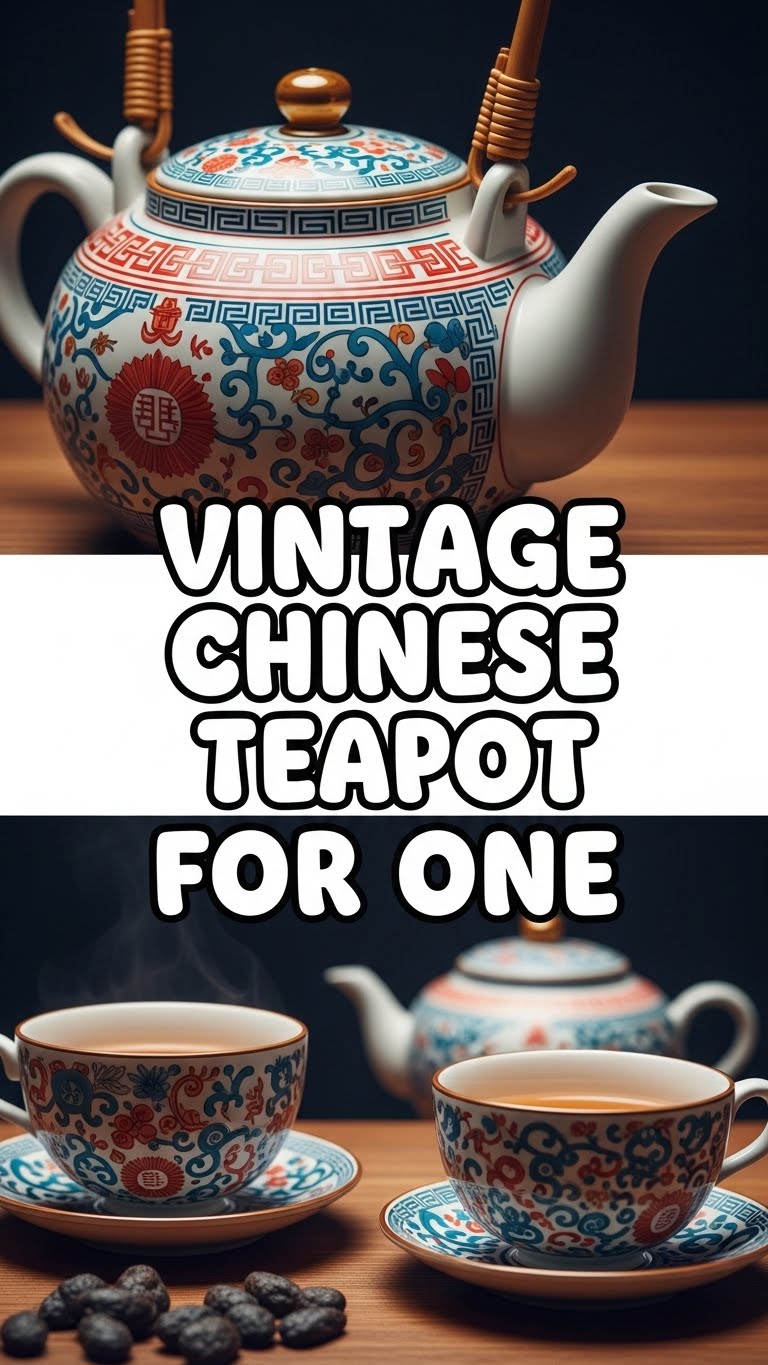
So you’re craving a moment of Zen, a tiny escape from the universe’s chaos, but the thought of adulting anything more complicated than pressing “play” on your streaming service feels like climbing Everest in flip-flops, huh? Same, friend. Same. Let’s ditch the screens for a sec and dive into a super chill, utterly delightful ritual that’s all about *you* and a cute little pot. We’re talking about creating the perfect solo tea moment with a vintage Chinese teapot. No fuss, maximum cozy vibes!
Why This Recipe is Awesome
Okay, “recipe” might be a strong word for something so effortlessly brilliant, but hear me out. This isn’t just about making tea; it’s about crafting a mini-sanctuary. It’s **idiot-proof**, I swear. Even I, Queen of forgetting my keys in the fridge, can nail this every single time. Here’s why it’s the bomb dot com:
- It’s a tiny act of self-love. You deserve a moment of peace, damn it!
- **Minimal effort, maximum reward.** Seriously, the hardest part is waiting for the water to boil.
- It smells amazing, tastes divine, and makes you feel vaguely sophisticated without having to put on actual pants. Win-win-win!
- That vintage teapot? It’s basically a portal to another, calmer dimension. Trust me on this.
Ingredients You’ll Need
Gather ’round, my fellow chill-seekers. This list is short, sweet, and to the point. No obscure foraging required.
- **One Vintage Chinese Teapot (for one, obvs!):** This is the star of our show. Look for a tiny, well-loved beauty. It’s not just a vessel; it’s a personality statement.
- **Good Quality Loose Leaf Tea (1-2 teaspoons):** Think Oolong, Pu-erh, or a nice Green tea. Something that makes your soul sing. **Do not skimp here!** Life’s too short for bad tea.
- **Fresh, Filtered Water (about 8-10 ounces):** Because tea deserves a clean slate. Tap water? *Shudders.*
- **A Small Tea Cup:** To cradle your liquid gold. Preferably one that matches your teapot’s vibe.
- **A Cozy Spot:** Your favorite armchair, a sunbeam, or anywhere you can truly un-tense your shoulders. (Okay, this one isn’t technically an ingredient, but it’s crucial, IMO!)
Step-by-Step Instructions
Alright, let’s get down to business. Follow these simple steps and prepare for ultimate chill.
- **Boil Your Water:** Get that filtered water simmering. Different teas prefer different temperatures, so do a quick peek if you’re feeling fancy. For most Oolongs and Pu-erh, just off the boil is great. Green tea likes it a little cooler (around 175-185°F).
- **Warm the Pot:** Pour a splash of that hot water into your vintage teapot, swirl it around, and then discard. This wakes up the pot and keeps your tea toasty. **Don’t skip this step!** It’s a game-changer.
- **Add the Tea:** Pop your 1-2 teaspoons of loose leaf tea into the warmed teapot. Take a moment to sniff those beautiful leaves. Ah, pure bliss.
- **Pour & Steep:** Carefully pour the hot water over the leaves in your teapot. Put the lid on. Now, let it steep. For a first steep, 30 seconds to a minute is usually perfect. Adjust to your taste – stronger, longer; lighter, shorter.
- **Pour & Enjoy:** After steeping, pour all the tea into your small cup. Don’t leave any in the teapot with the leaves, or it’ll get bitter for the next round. Take a deep breath, savor the aroma, and then sip slowly. **This is your moment.**
- **Re-Steep (Optional, but highly recommended):** Good quality loose leaf tea can be steeped multiple times! Just repeat steps 4 and 5, perhaps increasing the steeping time slightly for subsequent infusions. It’s like a tea gift that keeps on giving!
Common Mistakes to Avoid
Listen, we all make mistakes. But these ones? We can totally sidestep ’em with a little heads-up.
- **Using Cold Water for the Pot:** Thinking you don’t need to warm the teapot? Rookie mistake! It cools your brewing water too fast, resulting in a sad, under-extracted tea.
- **Over-Steeping:** Leaving the tea in the water for too long is a one-way ticket to bitterness town. You want delicate flavors, not a punishment. **Pull that tea out!**
- **Using “Old” Water:** Re-boiling water that’s been sitting in the kettle forever. Fresh water has more oxygen, which makes for better-tasting tea. Trust the science (and my taste buds).
- **Treating It Like Coffee:** Slamming it down quickly. This isn’t a caffeine delivery system (though it totally delivers!). It’s a slow, contemplative experience.
Alternatives & Substitutions
Flexibility is key, darling, even in the sacred art of solo tea-making. Here are some ideas if you’re feeling adventurous (or just missing an “ingredient”).
- **No Vintage Teapot?** *Gasps dramatically.* Okay, fine. A small porcelain gaiwan works beautifully, or even a regular mug with a strainer. It won’t have the same soul, but it’ll get the job done.
- **Different Teas:** Not feeling the Oolong? Try a delicate White tea for a super mellow vibe, or a robust Black tea if you need a little more oomph. Experiment! That’s half the fun.
- **Sweeteners?** Some purists might scowl, but if a tiny drizzle of honey or a lemon wedge makes *your* soul happy, then go for it! Just remember, the goal here is to taste the tea, not just the sugar.
FAQ (Frequently Asked Questions)
Got burning questions? I’ve got casual answers, my friend.
- **Do I *really* need a vintage teapot?** Well, “need” is a strong word, but for the full, delightful experience? Absolutely. It adds character, history, and a certain je ne sais quoi. Plus, they look super cute on your shelf.
- **What’s the best tea for this ritual?** Honestly, whatever tea makes you sigh contentedly. For multi-steeping fun, though, I highly recommend Oolongs or Pu-erh teas. They evolve beautifully with each infusion.
- **Can I use tea bags?** *Sigh.* Technically, yes, you *could*, but why would you want to hurt your soul like that? This is about embracing the beauty of loose leaf. Think of it as a tiny step up in your self-care game.
- **How often should I do this?** As often as your heart desires! Morning, afternoon, whenever you need a little mental reset. There are no rules in the self-care club.
- **What if I don’t have a timer?** Your phone has one! Or, honestly, just eyeball it. After a few tries, you’ll develop an intuitive sense for how long to steep. Trust your gut (and your taste buds).
- **Can I add milk?** For Chinese teas, usually no. They’re typically enjoyed neat to appreciate their complex flavors. But hey, it’s *your* tea. You do you.
Final Thoughts
And there you have it, folks! Your very own personal guide to creating a perfectly delightful, utterly chill tea moment with a vintage Chinese teapot. It’s not just a drink; it’s a ritual, a small luxury, a well-deserved pause in your busy life. So go ahead, treat yourself. Brew that perfect cup, find your comfy spot, and just *be*. You’ve earned it!