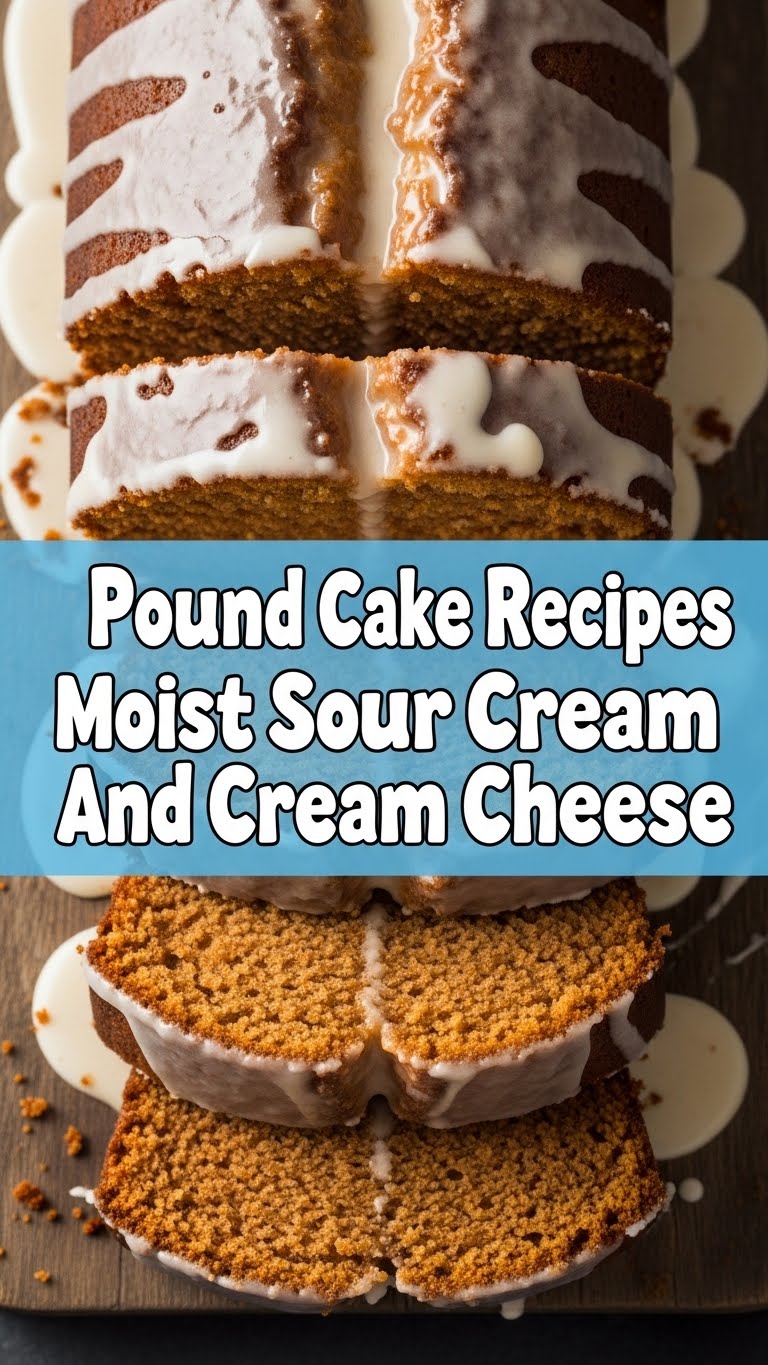
So, you’ve stared into the fridge for the fifth time today, haven’t you? And all you can think about is something ridiculously comforting, sweet, and maybe a little bit extra? Honey, I feel you. And I’ve got just the thing: a pound cake so moist, so rich, it’ll make you wonder where it’s been all your life. Forget dry, crumbly sadness. We’re going for moist, tangy, glorious indulgence with our secret weapons: sour cream and cream cheese. Buckle up, buttercup, it’s about to get delicious!
Why This Recipe is Awesome
Okay, let’s be real. We all want to impress, or at least not burn down the kitchen. This pound cake? It’s your culinary wingman. It’s idiot-proof (and trust me, I’ve tested that theory extensively). The sour cream and cream cheese combo isn’t just for bragging rights; it makes the cake so incredibly moist it practically melts. Plus, it gives it this amazing subtle tang that cuts through the sweetness just right. It’s like the Beyoncé of pound cakes – flawless, a little bit sassy, and always a crowd-pleaser. Seriously, you can’t mess this up. Unless you, like, forget the flour. Don’t forget the flour.
Ingredients You’ll Need
Alright, grab your apron (or just a clean shirt, no judgment here) and let’s gather our edible treasures:
- Unsalted Butter: A full cup (that’s two sticks!). Don’t skimp, this is a pound cake, baby. Make sure it’s softened, like, ‘press your finger in easily’ soft, not melted goo.
- Granulated Sugar: Two cups of the sweet stuff. Because, duh, it’s cake.
- Large Eggs: Five of ’em. Room temp is best, they play nicer with the butter.
- All-Purpose Flour: Three cups, leveled. The backbone of our cakey dreams.
- Baking Powder: One teaspoon. Our little lift-off specialist.
- Salt: Half a teaspoon. Don’t skip this! It makes everything else taste better, swear.
- Sour Cream: One cup, full-fat. This is where the magic happens, folks. The moisture, the tang, the ‘oh-my-goodness’ factor. Room temp, please.
- Cream Cheese: Eight ounces, softened. Our other secret weapon for ultimate moistness and a rich, subtle flavor. Full-fat, because we’re not calorie-counting today, are we?
- Vanilla Extract: Two teaspoons. The warm, comforting hug every cake needs. Good quality stuff, IMO.
Step-by-Step Instructions
Ready to bake some happiness? Let’s do this:
- Preheat & Prep: First things first, get that oven humming at 325°F (160°C). Grab a 10-12 cup Bundt pan or a 9×13 inch baking pan. Grease it really well with butter or baking spray, then dust with flour. Don’t be shy; a well-greased pan is your best friend.
- Cream the Dream: In a large mixing bowl, beat together the softened butter and granulated sugar until it’s light and fluffy. This usually takes about 3-5 minutes with an electric mixer. Don’t rush it; this step incorporates air, making your cake lighter.
- Egg-cellent Addition: Add the eggs, one at a time, beating well after each addition. Scrape down the sides of the bowl often. This ensures everything is perfectly combined.
- Dry Mix It Up: In a separate bowl, whisk together the flour, baking powder, and salt. Give it a good whisk to make sure everything is evenly distributed.
- Creamy Concoction: In a small bowl, whisk together your softened sour cream and cream cheese until smooth and lump-free. This creamy concoction is pure gold.
- Alternating Act: With the mixer on low, alternately add the dry ingredients and the sour cream/cream cheese mixture to the butter-egg mixture, beginning and ending with the dry ingredients. So it goes: 1/3 dry, 1/2 wet, 1/3 dry, 1/2 wet, 1/3 dry. Mix until just combined after each addition. Do not overmix! Overmixing develops gluten, leading to a tough cake. We want tender, remember?
- Into the Pan: Pour the glorious batter into your prepared pan, spreading it evenly. Give the pan a couple of gentle taps on the counter to release any air bubbles.
- Bake It Up: Pop it in the preheated oven. Bake for approximately 60-75 minutes for a Bundt pan, or 50-60 minutes for a 9×13 pan. Start checking around the 50-minute mark. A wooden skewer or toothpick inserted into the center should come out clean or with a few moist crumbs attached. If it’s browning too quickly, you can loosely tent it with foil.
- Cool Down: Once baked, let the cake cool in the pan on a wire rack for about 15-20 minutes. This is crucial! It lets the cake firm up. Then, carefully invert it onto the wire rack to cool completely. Patience, my friend, is a virtue.
- Enjoy! Slice a thick piece, grab a fork, and prepare for a moment of pure bliss. A little dusting of powdered sugar or a simple glaze is optional, but honestly, this cake shines all on its own.
Common Mistakes to Avoid
Look, we’ve all been there. Learning from mistakes is part of the fun (and saves you from eating a sad, dry cake). Here are some common pitfalls to dodge:
- Not using room temperature ingredients: This is a biggie! Cold ingredients don’t emulsify properly with the butter, leading to a lumpy, less smooth batter. Think of it like a cold shoulder – things just don’t mix well. Let those eggs, butter, sour cream, and cream cheese sit out for an hour or two.
- Overmixing the batter: I’m not kidding about this one. Once you add the flour, mix just until combined. Stirring too much develops the gluten, making your cake tough and chewy instead of tender and moist. No one wants a rubber cake.
- Forgetting to grease AND flour the pan properly: Oh, the heartbreak of a cake stuck to the pan! Don’t be a hero; take an extra minute to grease every nook and cranny, then dust it with flour. It’s your insurance policy against disaster.
- Opening the oven door constantly: Resist the urge! Every time you open the door, the oven temperature drops, which can cause your cake to sink in the middle. Be patient and wait until at least the 50-minute mark before peeking.
- Undercooking or overcooking: Use that toothpick test! If it comes out wet with raw batter, it needs more time. If it comes out completely dry, you might have gone a tad too far. Aim for clean or with a few moist crumbs.
Alternatives & Substitutions
Feeling rebellious? Or just ran out of something? Here are a few swaps that won’t totally ruin your masterpiece:
- No sour cream? Full-fat plain Greek yogurt can step in for a similar tang and moisture. Just make sure it’s not flavored, unless you want a very… interesting cake.
- Can’t find full-fat cream cheese? Honestly, try to stick to full-fat for the best texture and richness. But if you must, a lower-fat cream cheese will work, though the cake might be slightly less decadent. You’ve been warned!
- Want to fancy it up? Add a teaspoon of almond extract along with the vanilla for a different flavor profile. Or, fold in some lemon zest for a bright, citrusy twist. Chocolate chips? Sure, why not, if you’re feeling extra.
- No Bundt pan? A large loaf pan (you might need two for this amount of batter) or a 9×13 inch baking pan works just fine. Just adjust baking times accordingly – loaf cakes will take less time than a Bundt.
FAQ (Frequently Asked Questions)
Got questions? I’ve got (mostly) sarcastic answers:
- Can I use margarine instead of butter? Well, technically yes, but why hurt your soul like that? Butter provides superior flavor and texture. Margarine is a sad substitute here.
- My cake sunk in the middle! What happened? Probably opened the oven door too early, or your baking powder isn’t fresh (it expires, FYI!), or you overmixed. Or maybe your oven temperature is off. It’s a mystery, isn’t it?
- How long does this pound cake last? If you manage to not eat it all in one sitting (impressive!), it’ll stay fresh at room temperature, tightly covered, for about 3-4 days. In the fridge, it’s good for up to a week. It also freezes beautifully for longer storage!
- Can I add a glaze? Absolutely! A simple powdered sugar glaze (powdered sugar, a splash of milk or lemon juice, and a tiny bit of vanilla) would be divine. Or a cream cheese glaze, if you’re feeling extra extra.
- What’s the deal with room temperature ingredients? As mentioned, they emulsify better. Cold ingredients create a chunky, curdled batter. Warm ingredients (not melted!) create a smooth, homogenous batter that holds air better, leading to a lighter, fluffier cake. It’s science, darling.
- Is it really idiot-proof? Look, if I can make it without major catastrophe, I have faith in you. Just follow the steps, read the tips, and for the love of all that is holy, don’t forget the flour.
Final Thoughts
There you have it, my friend! Your new go-to recipe for a pound cake that’s anything but basic. It’s moist, it’s rich, it’s got that perfect tang, and it’s shockingly easy to make. So go ahead, preheat that oven, put on some tunes, and whip up this deliciousness. Now go impress someone—or yourself—with your new culinary skills. You’ve earned it! And don’t forget to send me a slice. Kidding (mostly). Happy baking!