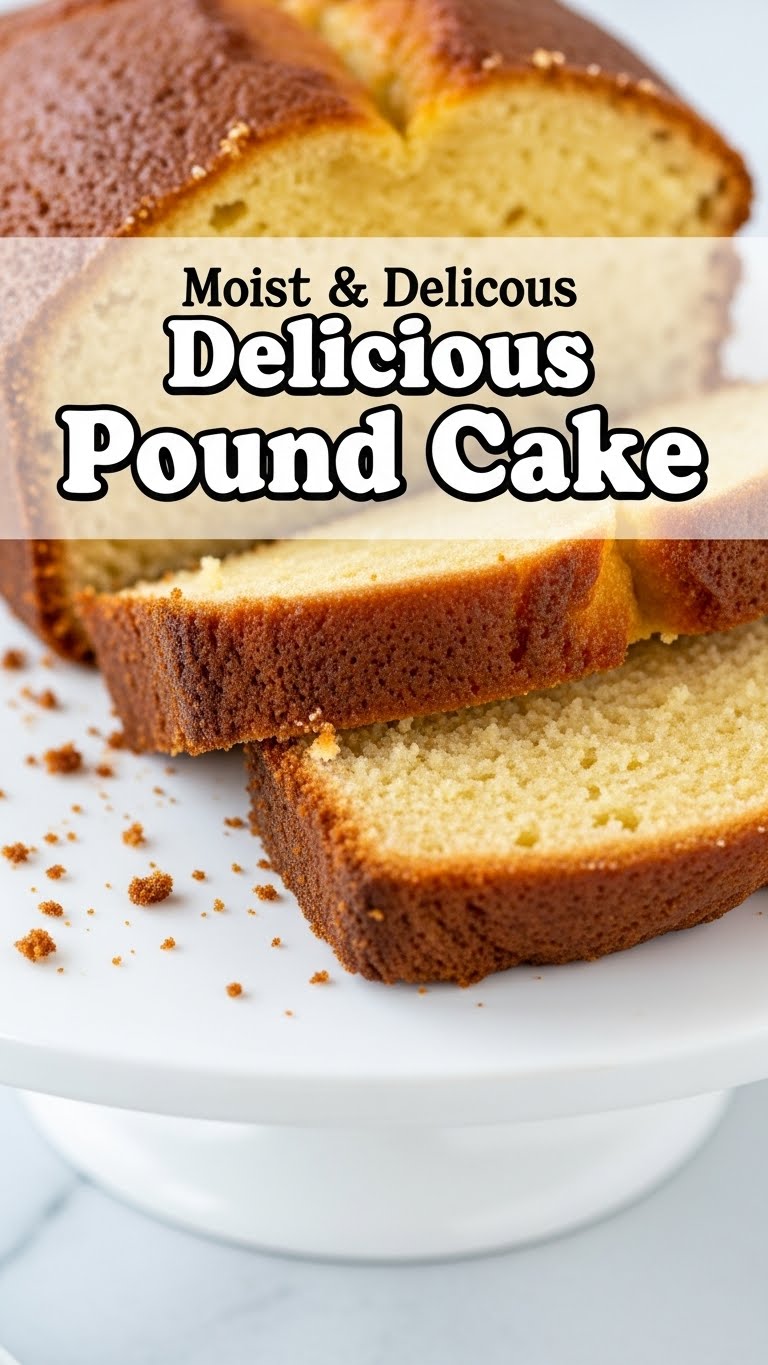
So you’re craving something tasty but too lazy to spend forever in the kitchen, huh? Same. Good news, my friend! We’re about to whip up a pound cake that’s so ridiculously moist and delicious, you’ll wonder why you ever bothered with anything else. And guess what? It’s practically a no-brainer. This isn’t your grandma’s dry, crumbly pound cake (no offense to grandma, but we’re leveling up!). Get ready for a slice of pure, buttery bliss that’ll make you the star of any potluck—or just your own couch, no judgment here.
Why This Recipe is Awesome
Let’s be real, life’s too short for complicated recipes that require a culinary degree. This pound cake? It’s a masterpiece of simplicity. It’s **idiot-proof**, I swear, even *I* didn’t mess it up! It comes out perfectly dense yet tender, with a crumb that practically melts in your mouth. Seriously, it’s so good, you might find yourself hoarding slices in the back of the fridge. Plus, it’s a fantastic canvas for whatever you want to throw at it—berries, whipped cream, or just a good old dusting of powdered sugar. Versatility, baby!
Ingredients You’ll Need
Gather ’round, pantry warriors! Here’s what you’ll need for this magical creation:
- Unsalted Butter (1 cup / 2 sticks), room temperature: This is the hero of our story. **Room temperature is non-negotiable**, trust me. If it’s cold, your cake will stage a rebellion.
- Granulated Sugar (2 cups): Sweet, sweet sugar. For sweetness, obviously.
- Large Eggs (4), room temperature: Yep, room temp again! This helps them emulsify better, creating a smoother batter. Science!
- All-Purpose Flour (3 cups), sifted: Just regular flour, nothing fancy. Sifting makes it lighter and prevents lumps, which are the enemy of smooth cake.
- Baking Powder (1 teaspoon): Our little lift-off agent. Don’t skip it!
- Salt (1/2 teaspoon): Balances the sweetness and enhances all the flavors. Don’t worry, it won’t make it salty.
- Heavy Cream OR Whole Milk (1 cup), room temperature: For that glorious moisture and rich texture. Heavy cream is a flex, but whole milk does the job beautifully too. Guess what? **Room temp!**
- Vanilla Extract (2 teaspoons): Use the good stuff, please. It makes a difference.
Step-by-Step Instructions
- Prep Your Stage: Preheat your oven to 325°F (160°C). Grab a 9×5 inch loaf pan (or a 10-cup Bundt pan if you’re feeling fancy). **Grease it generously** with butter or baking spray, then lightly flour it. Tap out any excess flour. This is key for a clean release!
- Cream the Dream: In a large mixing bowl (or stand mixer), beat the softened butter and granulated sugar together on medium speed until it’s light and fluffy. This usually takes about 3-5 minutes. Scrape down the sides of the bowl often.
- Egg-cellent Addition: Add the eggs one at a time, beating well after each addition. Make sure each egg is fully incorporated before adding the next. This creates a stable emulsion.
- Dry Mix Magic: In a separate bowl, whisk together the sifted flour, baking powder, and salt. Whisk it well so everything is evenly distributed.
- Alternate & Combine: With the mixer on low speed, add about a third of the dry ingredients to the butter mixture, mixing just until combined. Then, pour in half of the heavy cream (or milk), mixing until just incorporated. Repeat this process: another third of dry, then the remaining cream, and finally the last third of dry ingredients. **Do NOT overmix!**
- Vanilla Hug: Stir in the vanilla extract until just combined. The batter should be smooth and creamy.
- Pan It Up: Pour the batter evenly into your prepared pan. Give the pan a gentle tap on the counter a few times to release any air bubbles.
- Bake It ‘Til You Make It: Bake for 60-75 minutes for a loaf pan, or 70-85 minutes for a Bundt pan. The exact time depends on your oven. You’ll know it’s done when a wooden skewer or toothpick inserted into the center comes out clean or with a few moist crumbs.
- Cool Down: Let the cake cool in the pan on a wire rack for about 15-20 minutes. This helps it firm up. Then, carefully invert the cake onto the wire rack to cool completely. **Patience, young grasshopper!**
- Devour: Slice, serve, and bask in the glory of your moist and delicious creation!
Common Mistakes to Avoid
We’ve all been there, staring at a baking fail. Here’s how to dodge the most common pound cake pitfalls:
- Cold Ingredients: I know, I sound like a broken record, but seriously! Cold butter, eggs, or milk will result in a lumpy batter and a denser, less airy cake. Let them chill out on the counter for at least 30 minutes before you start.
- Overmixing the Batter: Once you add the flour, mix only until just combined. Overmixing develops the gluten in the flour, leading to a tough, rubbery cake. Nobody wants that!
- Not Greasing and Flourishing the Pan Properly: A sticking cake is a sad cake. Take the extra minute to grease and flour your pan thoroughly. Some folks even use parchment paper, which is a great backup.
- Opening the Oven Door Too Soon: Resist the urge to peek! Especially during the first 45 minutes. Drastic temperature changes can cause your cake to sink in the middle. Be strong!
- Baking at the Wrong Temperature: Ovens can be notoriously quirky. If your cake is browning too quickly, your oven might run hot. A good oven thermometer is a baker’s best friend.
Alternatives & Substitutions
Feeling a little wild? Here are some simple tweaks to jazz up your pound cake:
- Citrus Zest: Add 2 tablespoons of lemon, orange, or lime zest to the batter with the sugar. It adds a bright, fresh flavor that’s *chef’s kiss*. My personal fave is lemon!
- Almond Extract: Swap out 1 teaspoon of vanilla extract for 1 teaspoon of almond extract (or do 1.5 tsp vanilla, 0.5 tsp almond). It gives a lovely, nutty aroma and flavor.
- Buttermilk: Instead of heavy cream or whole milk, use buttermilk for an extra tangy and tender crumb. It works beautifully!
- Gluten-Free Flour: You can absolutely use a 1:1 gluten-free baking flour blend. Just be aware the texture might be slightly different, usually a bit more delicate.
- Chocolate Chips: Fold in a cup of mini chocolate chips (or regular size!) at the very end. Because, why not?
FAQ (Frequently Asked Questions)
Got questions? I’ve got answers (and opinions, of course!):
- Can I use salted butter instead of unsalted? Technically, yes, but why risk it? Unsalted butter gives you control over the salt content. If you *have* to use salted, reduce the added salt in the recipe by about half, but honestly, just get unsalted if you can. Your cake will thank you.
- How do I know if my cake is truly done? Besides the trusty toothpick test, look for a beautiful golden-brown crust and a cake that springs back slightly when gently pressed in the center. It should also start pulling away from the sides of the pan.
- My cake sank in the middle! What happened? Oh no! This often happens if the cake was underbaked, opened the oven door too early, or if there was too much leavening. Next time, give it a few extra minutes in the oven.
- Can I make this ahead of time? Absolutely! Pound cake actually tastes even better the next day as the flavors meld. Store it tightly wrapped at room temperature for up to 3-4 days, or in the fridge for a week.
- Can I freeze pound cake? Heck yes! Let it cool completely, then wrap it tightly in plastic wrap and then foil. It’ll keep beautifully in the freezer for up to 3 months. Thaw at room temperature when you’re ready for a slice of heaven.
- Can I use margarine instead of butter? Well, technically yes, but why hurt your soul like that? Butter is king for that rich, creamy flavor and texture. Margarine is like butter’s sad, distant cousin. Just sayin’.
Final Thoughts
So there you have it, folks! Your new favorite recipe for a moist and delicious pound cake. See? That wasn’t so scary, was it? Now you’re armed with the knowledge (and butter) to conquer the kitchen and impress absolutely everyone—or just enjoy a huge slice all to yourself. You’ve earned it, superstar! Happy baking!