Short, Catchy Intro
So you’re craving something warm, comforting, and utterly delicious but also, like, way too lazy to spend forever in the kitchen, huh? Same, friend, same. We’ve all been there. That deep, existential yearning for something sweet, cinnamony, and oh-so-soft that basically melts in your mouth. Good news: I’ve got your back. Forget those overly complicated recipes that make you want to throw your mixer out the window. Today, we’re diving into the glorious world of Moist Cinnamon Swirl Bread, and it’s easier than you think. Trust me, if I can do it without setting off the smoke alarm, you totally can too!
Why This Recipe is Awesome
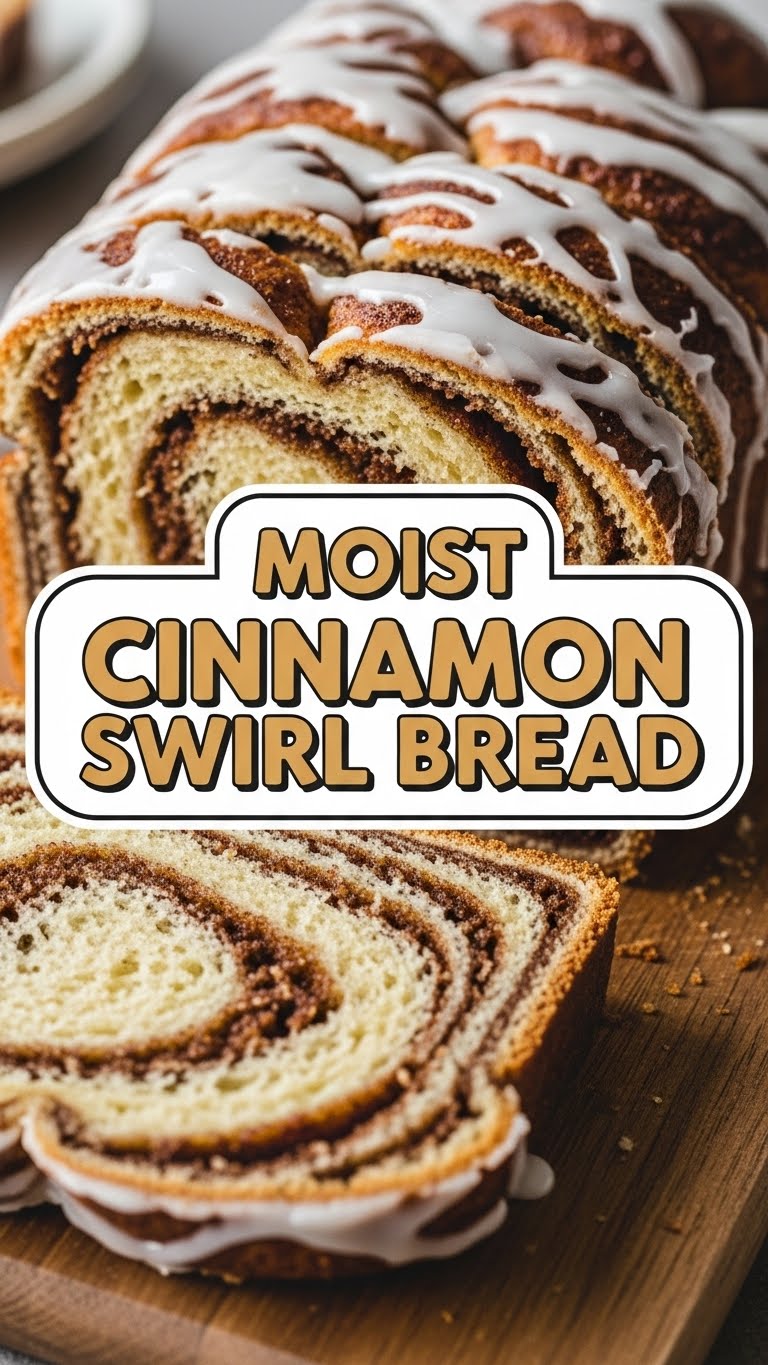
Okay, so why this particular recipe for cinnamon swirl bread and not the gazillion others floating around the internet? Well, for starters, it’s pretty much **idiot-proof**. Even I, Queen of Occasionally Burning Water, have managed to nail this bad boy every single time. It doesn’t require a standing mixer (unless you’re feeling fancy), no mystical bread-making powers, and honestly, the hardest part is waiting for it to cool down enough to slice. The bread itself is incredibly soft and moist (yeah, I said the M-word, deal with it!), and that cinnamon swirl? It’s not just a suggestion; it’s a full-on, melt-in-your-mouth, sweet-spicy hug. Plus, your house will smell like a professional bakery, which, let’s be real, is half the fun. This bread is a guaranteed crowd-pleaser or, you know, a glorious treat for your solo Netflix binge. No judgment here!
Ingredients You’ll Need
Gather ’round, fellow food enthusiasts! Here’s the treasure map to deliciousness. Nothing too wild, I promise.
For the Bread:
- All-Purpose Flour: About 3 cups. The backbone of our operation. Don’t cheap out, your bread deserves the best.
- Granulated Sugar: 1/4 cup. Just enough sweetness to make the yeast happy and your tastebuds sing.
- Active Dry Yeast: 2 1/4 teaspoons (one standard packet). The magical stuff that makes bread rise. Make sure it’s not expired unless you enjoy dense bricks.
- Salt: 1 teaspoon. Don’t skip it! It brings out all the flavors.
- Warm Milk: 1 cup (around 105-115°F or 40-46°C). Not too hot (kills the yeast), not too cold (they won’t wake up). Think a cozy bath temperature for yeast.
- Melted Unsalted Butter: 1/4 cup. Adds richness and that delightful tender crumb.
- Large Egg: 1, at room temperature. Binds everything together and makes it extra fluffy.
For the Cinnamon Swirl:
- Light Brown Sugar: 1/2 cup, packed. Hello, caramel notes!
- Ground Cinnamon: 1 tablespoon. Because “cinnamon swirl” isn’t just a suggestion, it’s a way of life.
- Melted Unsalted Butter: 2 tablespoons. Helps bind the cinnamon mixture and makes it even more glorious.
Optional Glaze (because why not?):
- Powdered Sugar: 1 cup.
- Milk: 1-2 tablespoons.
- Vanilla Extract: 1/4 teaspoon.
Step-by-Step Instructions
Alright, apron on (or not, live dangerously!), let’s get baking!
- Activate the Yeast: In a large bowl, whisk together the warm milk, sugar, and yeast. Let it sit for about 5-10 minutes until it gets nice and foamy. If it doesn’t foam, your yeast is probably dead. RIP. Start over with fresh yeast.
- Mix the Dough: Add the melted butter, egg, and salt to the yeast mixture. Stir it all up. Then, gradually add the flour, about a cup at a time, mixing until a shaggy dough forms.
- Knead It Out: Turn the dough out onto a lightly floured surface. Knead for about 5-7 minutes. You want it smooth, elastic, and not too sticky. Think of it as therapy for your arms.
- First Rise: Lightly grease a clean bowl with oil or cooking spray. Place the dough in the bowl, turn it once to coat, then cover with plastic wrap or a clean kitchen towel. Let it rise in a warm place for 1-1.5 hours, or until it has **doubled in size**. Patience, young padawan.
- Make the Swirl Filling: While your dough is rising, mix together the brown sugar, cinnamon, and melted butter in a small bowl until it forms a paste. Set aside.
- Shape the Dough: Once risen, gently punch down the dough to release the air (satisfying, right?). Roll it out on a lightly floured surface into a rectangle, roughly 14×10 inches.
- Spread the Swirl: Evenly spread your cinnamon sugar mixture over the entire rectangle, leaving a small border (about 1/2 inch) around one of the long edges.
- Roll It Up: Starting from the long edge *opposite* the border, carefully roll the dough tightly into a log. Pinch the seam closed to seal it up.
- Second Rise: Place the rolled log into a lightly greased 9×5 inch loaf pan. Cover it again with plastic wrap or a towel and let it rise in a warm spot for another 30-45 minutes, or until it looks puffy and almost doubled.
- Preheat & Bake: While your bread is doing its second rise, preheat your oven to 350°F (175°C). Once risen, bake for 30-35 minutes, or until the top is golden brown and it sounds hollow when tapped. If it’s browning too quickly, you can loosely tent it with foil.
- Cool & Glaze: Let the bread cool in the pan for about 10 minutes before carefully transferring it to a wire rack to cool completely. For the optional glaze, whisk together powdered sugar, milk, and vanilla until smooth. Drizzle over the cooled bread.
Common Mistakes to Avoid
We’ve all made ’em. Learn from my past kitchen catastrophes!
- Ignoring the Yeast Test: Thinking you don’t need to see foam before adding flour. **Rookie mistake!** If your yeast isn’t bubbling, it’s dead, and your bread won’t rise. Save yourself the heartache (and wasted flour).
- Over-Flouring: Adding too much flour because the dough feels sticky. This will give you dry, dense bread. A slightly sticky dough is often a happy dough.
- Not Kneading Enough (or Too Much): Under-kneading means your gluten won’t develop, leading to crumbly bread. Over-kneading can make it tough. Aim for smooth and elastic.
- Impatience During Rising: Cutting the rising time short. **Do not rush the rise!** Good bread takes time. Let it double.
- Cutting While Hot: You just pulled this masterpiece out of the oven, and it smells divine! Resist the urge to slice it immediately. It needs to set; otherwise, it can get gummy or fall apart. Plus, you might burn your fingers.
Alternatives & Substitutions
Feeling a little rebellious? Here are some ways to shake things up:
- Milk Swap: Not a fan of dairy? Almond milk, oat milk, or soy milk work great! Just make sure it’s warm for the yeast.
- Butter Alternatives: You *can* use oil (like vegetable or canola) instead of melted butter in the dough, but honestly, the butter adds so much flavor and tenderness. For the swirl, stick with butter, IMO.
- Spice It Up: Feeling adventurous? Add a pinch of nutmeg or cardamom to your cinnamon swirl mixture for an extra layer of warmth.
- Add-ins: For a little textural surprise, fold in a handful of chopped walnuts or pecans into the dough after the first rise, or sprinkle them into the cinnamon swirl. Chocolate chips? Yes, please!
- Whole Wheat Flour: You can substitute up to half of the all-purpose flour with whole wheat flour for a slightly heartier loaf. Just know it might absorb more liquid, so adjust as needed.
FAQ (Frequently Asked Questions)
Got questions? I’ve got (casual, friend-like) answers!
- Can I use margarine instead of butter?
- Well, technically yes, but why hurt your soul like that? Butter just tastes better, let’s be honest. It contributes significantly to the flavor and texture, especially in the swirl. But hey, if margarine is all you’ve got, go for it!
- My dough isn’t rising! What happened?
- The most common culprits are dead yeast (check the expiration date!), milk that was too hot (killed the yeast), or a room that’s too cold (yeast need warmth to get active). Make sure your milk is between 105-115°F and your kitchen isn’t an icebox.
- How do I store leftover cinnamon swirl bread?
- Wrap it tightly in plastic wrap or foil, or pop it in an airtight container at room temperature for up to 3-4 days. You can also freeze slices for longer storage; just thaw and warm them up when a craving strikes!
- Can I make this bread ahead of time?
- Absolutely! After the first rise, you can punch down the dough, shape it, place it in the loaf pan, cover it, and pop it in the fridge overnight. In the morning, take it out, let it come to room temperature and do its second rise (this might take a bit longer), then bake as usual. So convenient, right?
- What if my bread is too dry?
- This usually means you added too much flour, or you over-baked it. Next time, measure your flour carefully (scoop and level, don’t pack it!), and keep an eye on the oven. An instant-read thermometer should read around 190-200°F (88-93°C) when inserted into the center of the loaf.
Final Thoughts
Phew! You made it! You’re now officially equipped to bake the most delicious, moist, and ridiculously satisfying cinnamon swirl bread this side of, well, anywhere. Seriously, you’ve unlocked a new level of home baking, and your kitchen is about to be the most popular spot in the house. So go forth, wield your spatula with pride, and enjoy every single crumb of this epic creation. Now go impress someone—or yourself—with your new culinary skills. You’ve earned it! And don’t forget to send me a slice (just kidding… mostly). Happy baking!