So, you’re trying to cut down on the carbs but still want to eat something that actually tastes good and doesn’t feel like you’re chewing on sad air? SAME. Let’s be real, life’s too short for bland food, especially when you’re trying to be “healthy.” We’re not about that rabbit food life here, friend. We’re about making those low-carb veggies sing! Because who says eating your greens has to be a punishment?
Why This “Recipe” Is Awesome
Okay, calling this a “recipe” is a bit generous, because it’s more of a method, and it’s so ridiculously simple, even your cat could probably supervise. Seriously, it’s **idiot-proof**. The beauty of it? You can literally use almost any low-carb veggie, toss it with a few bits and bobs, and BAM! Dinner (or lunch, or a snack, no judgment) is served. It’s quick, customizable, and makes even the most stubborn Brussels sprout taste like a tiny, delicious tree of joy. Plus, you get to feel all virtuous without actually doing much work. Win-win, right?
Ingredients You’ll Need
This is where you get to be creative. Think of these as suggestions, not strict rules carved in stone. We’re rebels here!
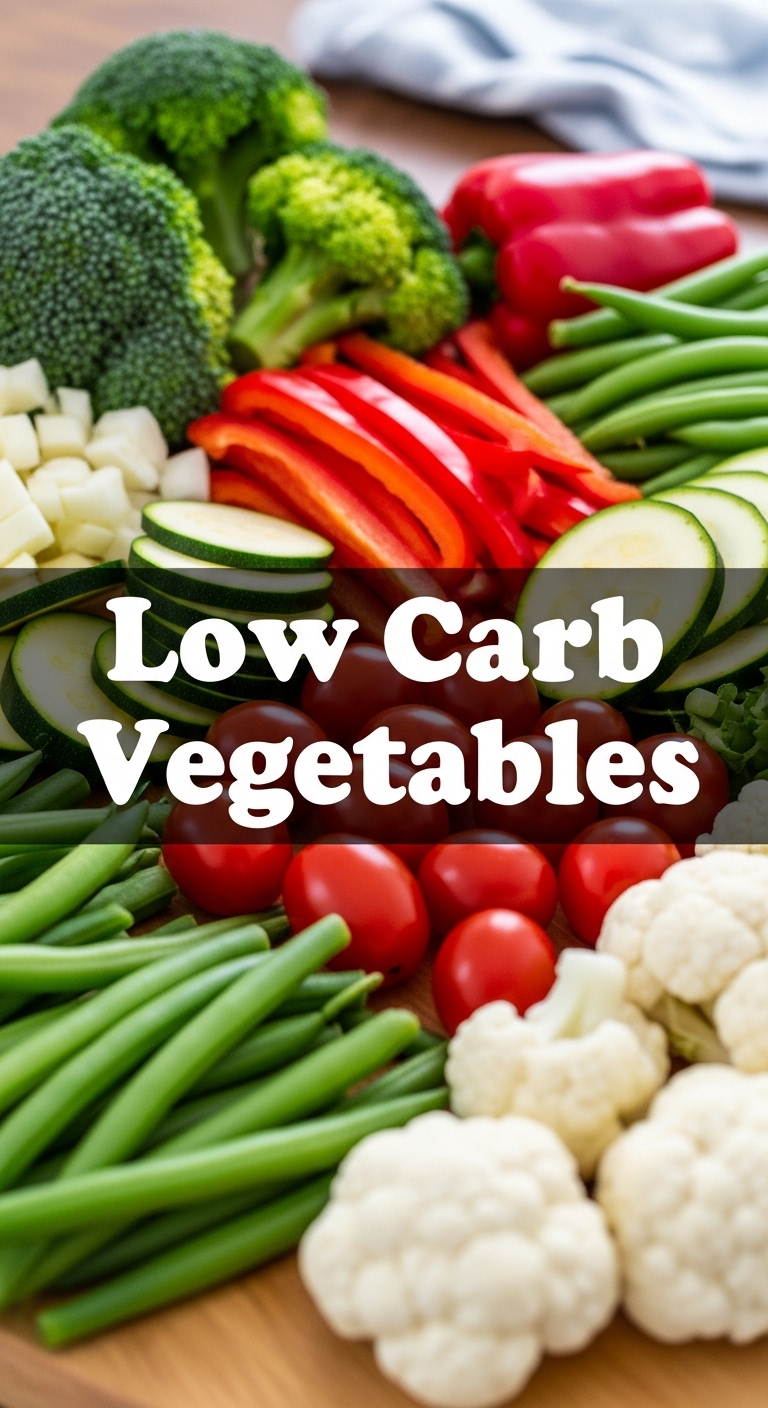
- Your Favorite Low-Carb Veggies: Pick 2-3 cups, chopped. Think broccoli florets (the OG low-carb hero), cauliflower (its equally cool cousin), bell peppers (any color, make it a rainbow!), zucchini or yellow squash (gets delightfully tender), asparagus spears (fancy!), or even Brussels sprouts (if you’re feeling brave and want to convert a hater).
- Good Quality Fat: 1-2 tablespoons. Olive oil is classic, avocado oil for a higher smoke point, or melted butter/ghee for that rich flavor (don’t knock it ’til you try it on veggies!).
- Salt: A generous pinch. Don’t be shy; it brings out all the flavor!
- Black Pepper: Freshly ground, always. It just tastes better, IMO.
- Garlic Powder or Granulated Garlic: About 1/2 teaspoon. Because everything is better with garlic. Duh.
- Optional Flavor Boosters: A sprinkle of onion powder, paprika (smoked paprika is a game-changer), dried herbs like oregano or thyme, or a squeeze of fresh lemon juice at the end.
Step-by-Step Instructions
- Preheat Your Oven (or Pan!): If you’re roasting, crank that oven to a nice, toasty 400°F (200°C). For sautéing, get a large skillet over medium-high heat. **Don’t skip this step**, patience is a virtue, especially for crispy veggies!
- Prep Your Veggies: Wash ’em, dry ’em thoroughly (this is key for crispiness!), and chop ’em into roughly bite-sized pieces. Try to keep them somewhat uniform so they cook evenly. No one wants half-cooked and half-burnt veggies.
- Toss ‘Em Up: In a large bowl, dump your chopped veggies. Drizzle with your chosen fat, then sprinkle liberally with salt, pepper, and garlic powder (and any other spices you’re feeling). Get in there with your hands and really **toss everything together** until every piece is coated.
- Cook ‘Em Good:
- Roasting: Spread your seasoned veggies in a single layer on a baking sheet. Seriously, a single layer. Overcrowding is the enemy of crispiness! Roast for 15-25 minutes, flipping halfway, until they’re tender-crisp and have those lovely browned, caramelized edges.
- Sautéing: Once your pan is hot, add the veggies. Stir-fry for 5-10 minutes, depending on the vegetable, until they’re tender and slightly browned.
- Taste and Adjust: Take a small piece (careful, it’s hot!). Need more salt? A dash of something else? Now’s the time. A squeeze of fresh lemon juice at the very end can brighten everything up!
- Serve It Up: Dish out your glorious low-carb veggies and enjoy your guilt-free, delicious creation!
Common Mistakes to Avoid
- Overcrowding the Pan: This is probably the number one mistake. If your veggies are piled up, they’ll steam instead of roast/sauté, leading to sad, soggy results. Use two baking sheets if you need to!
- Under-Seasoning: Bland veggies are the worst. Don’t be afraid of salt and pepper. They’re your friends.
- Not Drying Your Veggies: Water turns to steam, which equals sogginess. Give ’em a good pat down after washing.
- Forgetting to Preheat: Rookie mistake! A hot oven or pan creates that instant sear, locking in flavor and promoting crispiness.
- Walking Away: Especially when sautéing, stay close. Veggies can go from perfectly cooked to mush in a hot minute.
Alternatives & Substitutions
This “recipe” is basically a template for deliciousness, so go wild!
- Different Veggies: Can’t stand broccoli? Swap it for green beans, asparagus, mushrooms, or even jicama for a fun crunch. Just be mindful of cooking times; delicate greens like spinach cook much faster.
- Fat Swaps: Not an olive oil fan? Try coconut oil for a subtle tropical hint, or rendered bacon fat for a smoky, savory punch (FYI, this is my secret weapon for Brussels sprouts).
- Spice Blends: Instead of individual spices, use your favorite blend! Italian seasoning, a sprinkle of curry powder, or even a taco seasoning mix can completely transform your veggies.
- Fresh Herbs: Rosemary, thyme, or oregano added during the last few minutes of cooking give a lovely fresh aroma and flavor. Parsley or cilantro chopped and sprinkled on after cooking also works wonders.
- Cheesy Goodness: A sprinkle of Parmesan cheese in the last few minutes of roasting? You’re welcome.
FAQ (Frequently Asked Questions)
Alright, time for some Q&A, because I know you’ve got questions!
- Q: Can I really use any low-carb vegetable?
A: Mostly, yes! Just be aware that denser veggies like broccoli and cauliflower take longer than quicker-cooking ones like spinach or mushrooms. Adjust your cooking time accordingly! - Q: My veggies always end up soggy! What am I doing wrong?
A: Ah, the classic soggy veggie dilemma! You’re probably overcrowding the pan and not drying them well enough. Remember: single layer, and pat those babies dry! - Q: Should I use fresh or frozen vegetables?
A: Fresh is usually best for roasting and sautéing because it crisps up beautifully. Frozen can work, but they often release more water, so they might be a bit softer. If you use frozen, don’t thaw them first and cook them a bit longer. - Q: Can I meal prep these?
A: Absolutely! Cook a big batch, let them cool completely, then store in an airtight container in the fridge for 3-4 days. They might lose a tiny bit of crispness, but they’ll still be delicious. - Q: What’s the best way to get caramelized edges?
A: High heat (400°F/200°C for roasting, medium-high for sautéing) and giving them space! Don’t overcrowd the pan, and resist the urge to stir/flip them too often. Let them hang out and get that good browning. - Q: Can I add a protein to this?
A: You read my mind! Toss some chicken pieces, shrimp, or even pre-cooked sausage with the veggies on the same sheet pan for a super easy one-pan meal. Just make sure the protein is also in bite-sized pieces and cooks in a similar timeframe.
Final Thoughts
See? Eating healthy doesn’t have to be boring or complicated. This “recipe” for low-carb veggies is your new best friend in the kitchen – versatile, easy, and genuinely delicious. It’s all about embracing the simple joys of good food without the fuss. Now go impress someone—or yourself—with your new culinary skills. You’ve earned it!