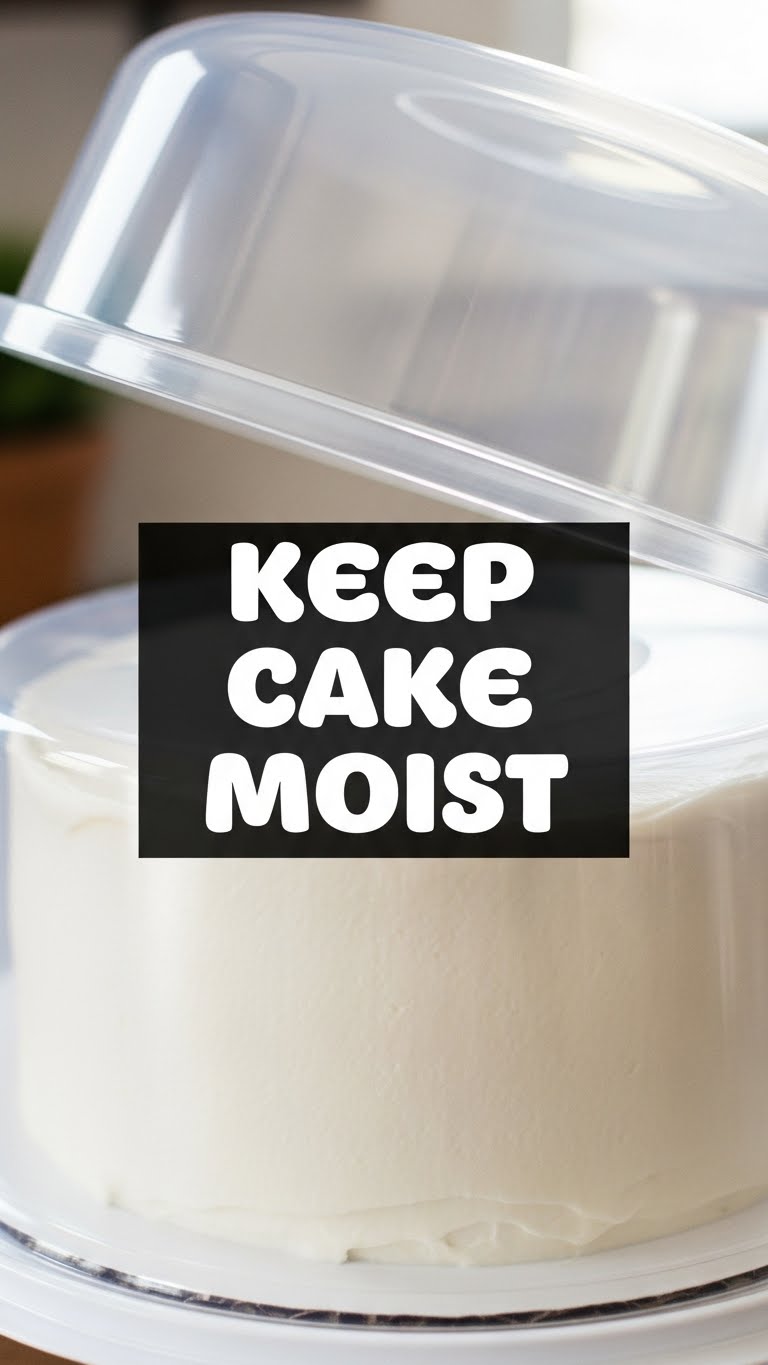
Ever baked a cake that felt more like a delicious, frosted brick than a fluffy cloud? Yeah, been there, wept over that. But fret not, my baking buddy, because today we’re diving into the sacred arts of keeping that cake moist AF. No more dry, crumbly sadness on your dessert plate. We’re talking melt-in-your-mouth, ‘OMG did I make this?’ moist.
Why This Recipe is Awesome
Why bother with this, you ask? Because life’s too short for dry cake, that’s why! This isn’t a recipe *for* a cake, it’s a collection of super-secret cake whisperer tips that’ll make any cake recipe you use sing with moisture. It’s practically idiot-proof – I’ve even managed to follow these tips after a particularly long day, and my cake still came out glorious. Think of it as your baking cheat sheet to becoming a moist-cake guru, without needing a culinary degree or, like, any real effort. Seriously, it’s that good.
Ingredients You’ll Need
Okay, so we’re not baking a specific cake, but these are the magical components and considerations you’ll want on hand or in mind for a perfectly moist result:
- Good quality butter: Not that sad, pale margarine stuff. We want the good stuff, softened.
- A splash of extra liquid: Milk, buttermilk, sour cream, or even a shot of strong coffee (trust me!).
- Oil (sometimes): A neutral oil like vegetable or canola can work wonders alongside butter.
- A gentle hand: No, not an ingredient, but you’ll need it when mixing!
- Patience: Because rushing is the enemy of moist cake.
- Room temperature ingredients: Seriously, pull out those eggs and dairy early!
Step-by-Step Instructions
Follow these steps to ensure your next cake is a moisture masterpiece:
- Cream it right: Always, always start by creaming your butter and sugar together until light and fluffy. This whips in air, making your cake tender. Don’t skimp on this step!
- Eggs in, one by one: Add eggs one at a time, mixing well after each. This helps emulsify the batter and prevents it from curdling, leading to a smoother texture.
- Alternate wet and dry: When adding your flour and liquid (milk, buttermilk, etc.), do it in stages. Start and end with dry. For example: 1/3 flour, 1/2 liquid, 1/3 flour, 1/2 liquid, 1/3 flour. This prevents overmixing.
- Don’t overmix, seriously: Once you add the flour, mix just until combined. Overmixing develops gluten, which makes cake tough and dry. A few lumps are totally fine. Your whisk is not a drill!
- Lower and slower bake: Bake your cake at a slightly lower temperature (think 325-350°F / 160-175°C) for a bit longer. This prevents the edges from drying out before the center is cooked.
- Syrup soak (optional but amazing): Once your cake is out of the oven, while still warm, brush it with a simple sugar syrup. It’s like a spa day for your cake – locks in moisture!
- Wrap it up: Let your cake cool completely in the pan on a wire rack. Then, once cool, wrap it tightly in plastic wrap (or foil) before storing. This keeps all that lovely moisture locked in.
Common Mistakes to Avoid
Heed these warnings, lest your cake fall victim to the dreaded dry crumb monster:
- Overmixing the batter: Seriously, stop. We talked about this. Once flour goes in, be gentle.
- Baking at too high a temperature: You’re not trying to bake a biscuit, you’re making a delicate cake. High heat = crispy edges, dry crumb.
- Ignoring the recipe’s liquid amounts: “Oh, a little less milk won’t hurt…” Narrator: It hurt. Liquid is key for moisture.
- Opening the oven door constantly: Every time you peek, the temperature drops, messing with your bake and drying out the cake. Hands off that door!
- Not storing it properly: Leaving a beautiful cake uncovered on the counter is a crime against moisture. Wrap it up!
- Using cold ingredients: Your butter, eggs, and dairy need to be at room temp for a smooth, emulsified batter. Cold ingredients lead to a lumpy, less moist cake.
Alternatives & Substitutions
Want to level up your moisture game or just need a quick swap? Try these:
- Buttermilk power-up: If your recipe calls for regular milk, try swapping some or all of it for buttermilk. The acidity helps tenderize the cake. Don’t have buttermilk? Add a tablespoon of lemon juice or vinegar to regular milk and let it sit for 5 minutes. Instant (almost) buttermilk!
- Sour cream/yogurt magic: Adding a dollop of sour cream or Greek yogurt can seriously boost moisture and richness. It’s like a secret weapon.
- Oil vs. Butter: While butter gives amazing flavor, oil often results in a moister crumb. If you’re struggling, consider recipes that use oil, or a mix of both. IMO, a good mix is perfection.
- Applesauce/Mashed Banana: For healthier options (or just to add extra moistness), a little unsweetened applesauce or mashed ripe banana can replace some of the fat. Just be aware of the flavor change!
FAQ (Frequently Asked Questions)
- “Can I just add more liquid to my recipe for a moist cake?” Not really, buttercup. Too much liquid can make your cake dense or gummy. It’s about balance! Follow the recipe’s liquid amounts, but consider using *moistening* liquids like buttermilk or sour cream.
- “Does cake flour make a difference?” Oh absolutely, FYI! Cake flour has a lower protein content than all-purpose, which means less gluten development. Less gluten = more tender, moist cake. Worth the splurge if you bake often.
- “My cake always cracks on top, why?” Usually, that’s a sign your oven might be too hot, or your batter is too cold going in. Try baking at a slightly lower temp and ensure all ingredients are at room temperature.
- “Should I poke holes in my cake and pour syrup over it?” If you want an *über-moist* cake, then YES! Especially for denser cakes or if you’re layering with fruit. It’s a game-changer for flavor and texture.
- “How long does a moist cake stay fresh?” Properly stored (wrapped tightly!), most cakes stay delicious for 3-4 days at room temperature, or up to a week in the fridge. But honestly, who lets cake last that long?!
- “Can I use margarine instead of butter?” Well, technically yes, but why hurt your soul like that? Butter provides a superior flavor and texture that margarine just can’t match for truly moist and delicious cakes.
Final Thoughts
And there you have it, my friend! Your cheat sheet to baking cakes so moist, they’ll make people wonder if you’ve been secretly training with Michelin-star chefs. These aren’t just tips; they’re the golden rules for turning out consistently amazing, never-dry cakes. So go forth, embrace the butter, respect the flour, and let your moist-cake flag fly high! Now go impress someone – or yourself – with your new culinary skills. You’ve earned it!