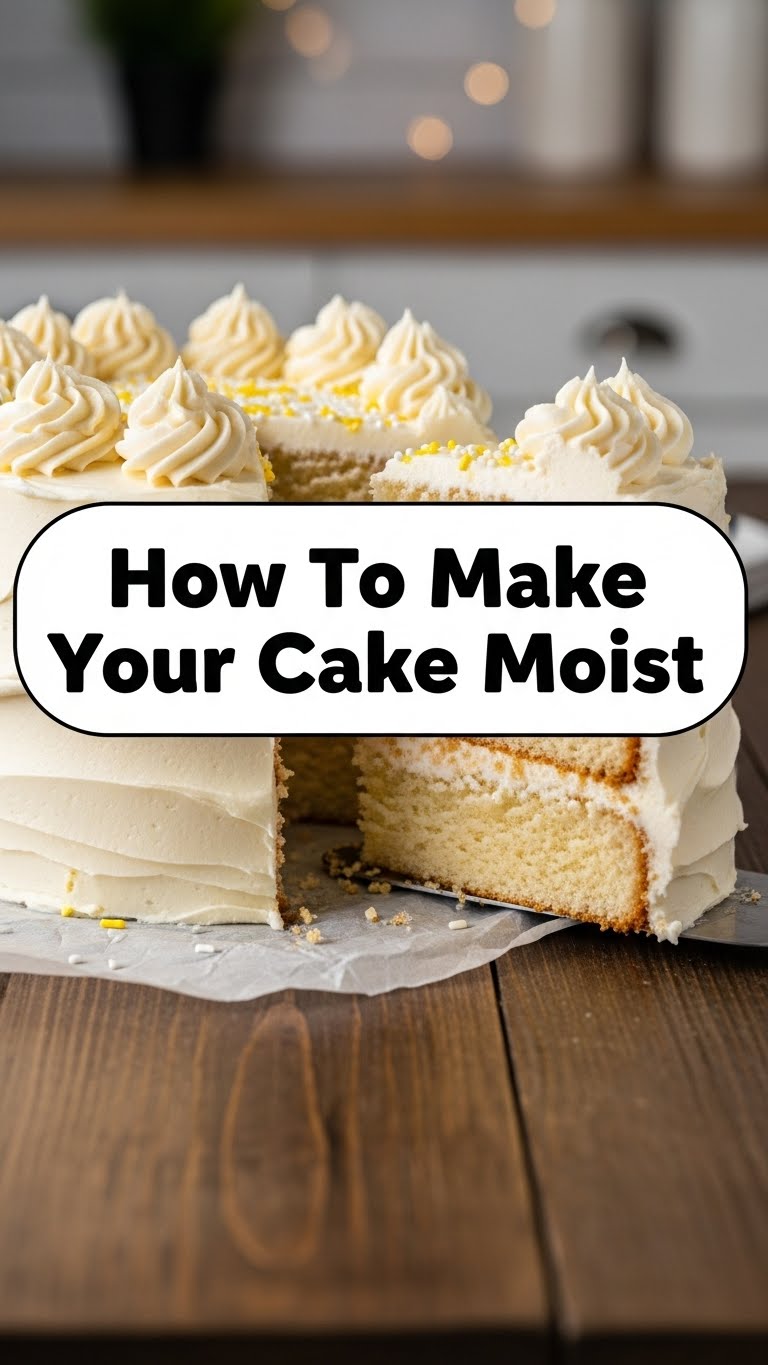
Ever bitten into a cake that felt like… well, like sawdust? Ugh, tragic, right? Cake should be a hug in dessert form, not a choking hazard. If your baking adventures sometimes yield results drier than the Sahara, welcome, friend! We’re about to banish dryness from your kitchen forever. Get ready to bake a cake so moist, it practically melts in your mouth and makes angels sing. Seriously, it’s that good.
Why This Recipe is Awesome
Okay, so why this recipe for a super moist cake when the internet is overflowing with options? Because this isn’t just a recipe; it’s a philosophy. It’s the “no more dry cake” manifesto! This method is so brilliantly straightforward, you’ll wonder why you ever struggled. It’s practically fool-proof, even for those of us who occasionally burn water (no judgment here!). Plus, it doesn’t involve any weird, obscure ingredients you need a secret decoder ring to find. Just pure, unadulterated moist cake magic. Prepare for compliments, because they’re coming!
Ingredients You’ll Need
Here’s the lowdown on what you’ll need. Nothing fancy, just the good stuff that gets the job done. Think of it as your dream team for dessert domination.
- All-purpose flour: The backbone of your cake. Don’t go rogue with anything else, unless you’re feeling really adventurous (and okay with potential chaos).
- Granulated sugar: Sweetness and a little help with moisture retention. Essential, unless you’re into unsweetened sadness.
- Baking powder & baking soda: The dynamic duo for lift and tenderness. Don’t skip these, they’re the cheerleaders of your cake!
- Salt: A tiny pinch to balance flavors and make everything pop. Don’t worry, your cake won’t taste like the ocean.
- Unsalted butter: Softened, because cold butter is just plain stubborn. It adds richness and a silky texture.
- Large eggs: Room temperature, please! They emulsify better and lead to a finer crumb. Cold eggs are just being difficult.
- Full-fat buttermilk: Ah, the secret weapon! Its acidity reacts with the baking soda for extra lift and incredible moisture. Don’t skimp on the fat, trust me.
- Vanilla extract: Because what’s cake without that warm, comforting vanilla hug?
- A little oil (vegetable or canola): Just a touch, and it makes a huge difference in preventing dryness. It helps keep the cake moist long after it cools. Genius, right?
Step-by-Step Instructions
Alright, apron on, game face on! Let’s get this moist cake party started. Read through all the steps first, then dive in. You got this!
- Prep Your Stage: First things first, preheat your oven to 350°F (175°C). Then, lightly grease and flour your cake pan(s). If you’re using parchment paper, that’s even better for non-stick peace of mind.
- Dry Mix Magic: In a medium bowl, whisk together your flour, sugar, baking powder, baking soda, and salt. Make sure there are no lumps; we want smooth sailing here.
- Wet Mix Wonder: In a separate, larger bowl, cream together the softened butter and oil until light and fluffy. This can take a few minutes with an electric mixer.
- Egg-cellent Addition: Add the room temperature eggs to the butter mixture, one at a time, beating well after each addition. Don’t rush this part; it’s key for emulsification. Stir in the vanilla extract.
- Alternate Wet & Dry: Now for the fun part! Add about a third of your dry ingredient mix to the wet mix, beating on low speed until just combined. Then, pour in half of the buttermilk and mix until barely incorporated. Repeat with another third of the dry mix, the remaining buttermilk, and finally the last third of the dry mix. Don’t overmix! Overmixing develops gluten, which makes cakes tough. We’re aiming for tender, remember?
- Into the Pan: Pour your glorious batter into the prepared cake pan(s), smoothing the top with a spatula. Give the pan a gentle tap on the counter a couple of times to release any air bubbles.
- Bake It Up: Pop that beauty into the preheated oven. Baking time will vary depending on your pan size, but usually 30-35 minutes for two 8-inch rounds, or 40-45 minutes for a 9×13 inch pan. It’s done when a wooden skewer or toothpick inserted into the center comes out clean or with a few moist crumbs attached.
- Cool Down: Once baked, let the cake cool in the pan for about 10-15 minutes. This allows it to firm up and prevents it from breaking. Then, carefully invert it onto a wire rack to cool completely before frosting. Patience, young padawan!
Common Mistakes to Avoid
Even the best of us stumble. Here are a few traps to sidestep on your journey to moist cake nirvana:
- Overmixing: We talked about this, but it bears repeating. Mixing too much after adding flour develops gluten, making your cake dense and chewy instead of light and fluffy. Mix just until combined.
- Cold Ingredients: Using cold eggs or butter is like trying to force puzzle pieces together that don’t quite fit. Room temperature ingredients blend better, creating a smoother, more emulsified batter. Plan ahead!
- Ignoring Oven Temperature: Thinking you don’t need to preheat the oven—rookie mistake! Or worse, trusting your oven’s dial implicitly. An oven thermometer is your best friend for accurate baking.
- Overbaking: This is arguably the biggest culprit for dry cakes. Keep an eye on your cake! As soon as that toothpick comes out clean (or with moist crumbs), pull it. Every extra minute in the oven sucks precious moisture out.
- Substituting Full-Fat Buttermilk: Swapping for skim milk or regular milk is a no-go. The fat and acidity in full-fat buttermilk are crucial for the texture and moisture of this particular recipe. FYI, don’t mess with the buttermilk!
Alternatives & Substitutions
Life’s all about options, right? While I highly recommend sticking to the original for the ultimate moistness, sometimes you gotta work with what you’ve got. Here are a few tweaks:
- Buttermilk Substitute: If you’re in a pinch and don’t have buttermilk (gasp!), you can make your own. Add 1 tablespoon of lemon juice or white vinegar to a liquid measuring cup, then fill the rest with regular milk (whole milk is best!) to make 1 cup. Let it sit for 5-10 minutes until it slightly curdles. It’s not exactly the same, but it’s a decent stand-in.
- Oil: Vegetable or canola oil are your best bets. You can use another neutral-flavored oil like grapeseed, but avoid anything with a strong flavor profile unless you want your cake tasting like olives (unless that’s your jam, no judgment!).
- Flour: Stick with all-purpose. Gluten-free 1:1 baking flour might work, but it’s not guaranteed to have the same texture or moisture. Proceed with caution and a willingness to experiment!
- Sugar: Granulated is standard, but you could try superfine sugar for an even finer crumb. Don’t swap for brown sugar unless you’re intentionally going for a different flavor profile; brown sugar adds moisture, but also molasses notes.
FAQ (Frequently Asked Questions)
Got questions swirling in your head? I probably do too. Let’s tackle some common ones, shall we?
- Can I use margarine instead of butter? Well, technically yes, but why hurt your soul like that? Butter adds so much more flavor and richness. Margarine just… exists. Use butter if you can!
- My cake domed in the middle, what gives? Ah, the dreaded dome! This often means your oven is too hot or you’ve overmixed. Try reducing the oven temp by 25°F or make sure to mix just until combined. Also, sometimes simply leveling your cake before frosting is the easiest fix.
- How long will this moist cake stay moist? With proper storage (airtight container, room temp for a couple of days, or fridge for up to a week), this cake stays wonderfully moist for a good 3-4 days. It’s truly a gift that keeps on giving!
- Can I add flavorings like lemon zest or spices? Absolutely! This is a fantastic base recipe. Go wild with lemon or orange zest, cinnamon, nutmeg, or even a touch of almond extract instead of some vanilla. Make it yours!
- Do I need to sift the dry ingredients? While the recipe just says “whisk,” sifting your flour can make for an even lighter cake. It’s not strictly necessary if you whisk well, but it certainly doesn’t hurt, especially if your flour is prone to clumping.
Final Thoughts
There you have it, folks! Your new go-to guide for a cake so moist, it’ll make every other cake blush with envy. No more dry, crumbly sadness for you. You’ve officially unlocked the secret to baking success and deliciousness. Now go impress someone—or yourself—with your new culinary superpowers. You’ve earned it! Seriously, go forth and bake some epic, melt-in-your-mouth cake. And maybe save me a slice? Just sayin’.