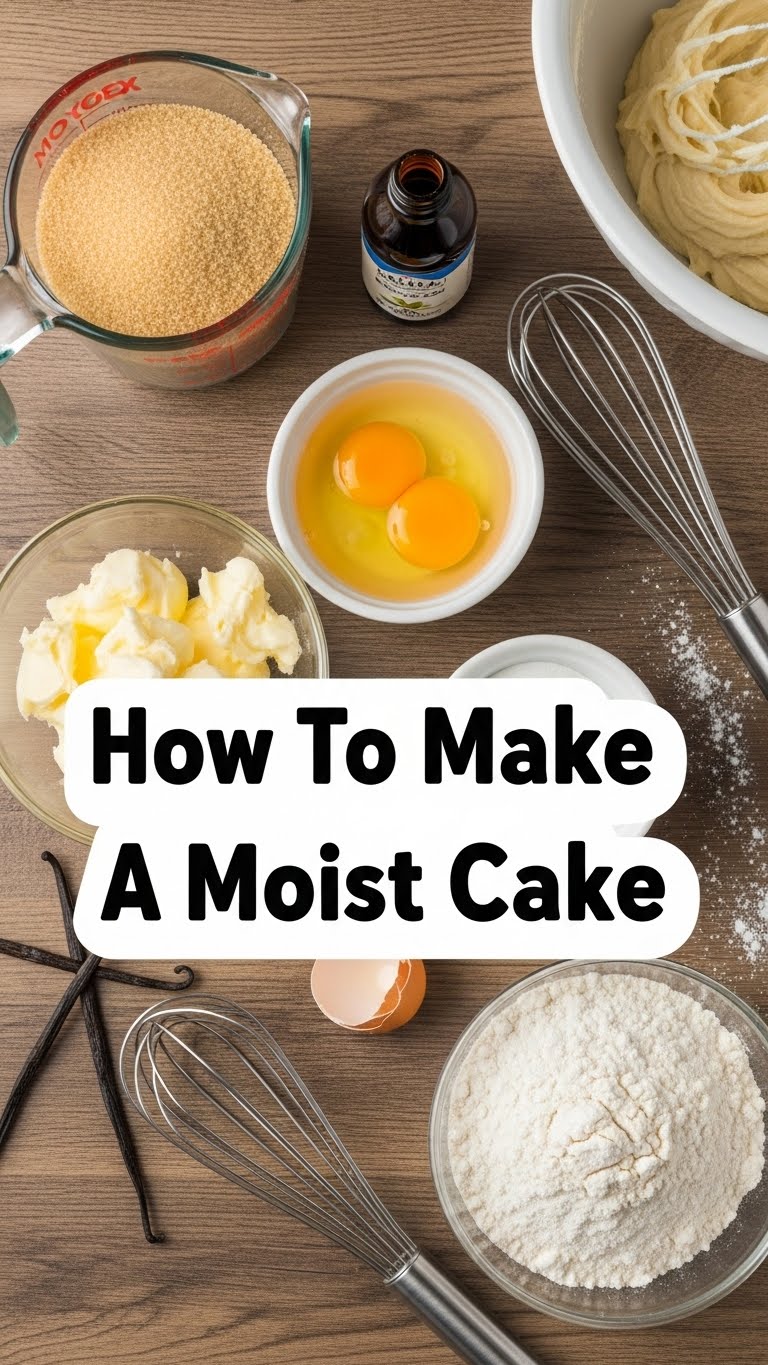
So, you’ve decided to bake a cake, but the idea of a dry, crumbly disaster sends shivers down your spine? Been there, done that, bought the T-shirt. We’re not about that life. We’re here for pure, unadulterated moistness, the kind that makes angels sing and taste buds dance. Ready to banish dry cake forever and become a legend in your own kitchen? Let’s do this!
Why This Recipe is Awesome
Why this cake, you ask? Because it’s practically magic! Seriously, even if your baking skills usually involve burning toast, you’re gonna nail this. This recipe is designed to be **super forgiving**, delivers maximum deliciousness with minimal fuss, and will make everyone think you secretly trained at a fancy French patisserie. Plus, it’s so moist it practically sweats happiness. You’re welcome.
Ingredients You’ll Need
Gather your troops! Make sure they’re all at room temperature for best results – this is a **game-changer** for moistness and texture, trust me.
- 1 ½ cups (190g) All-purpose flour: The backbone of any good cake. Don’t overthink it, just scoop and level.
- 1 ½ cups (300g) Granulated sugar: Sweetness! And it actually helps with moisture retention, FYI.
- ½ cup (113g) Unsalted butter: Softened to room temperature. This is crucial! Cold butter is the enemy of fluffy, moist dreams. **Don’t skip the room temp part!**
- 2 Large eggs: Also at room temperature! They bind everything beautifully and add richness.
- 1 cup (240ml) Buttermilk: Our secret weapon for moisture and a delightful tang. If you don’t have it, a DIY version works (see Alternatives).
- 1 ½ teaspoons Vanilla extract: The soul of the cake. Splurge on the good stuff if you can.
- 1 ½ teaspoons Baking powder: Our primary lift-off crew.
- ½ teaspoon Baking soda: Teams up with the buttermilk for extra fluff.
- ½ teaspoon Salt: Just a pinch to make everything else pop and balance the sweetness.
Step-by-Step Instructions
- Prep Your Stage: Preheat your oven to 350°F (175°C). Lightly grease and flour an 8 or 9-inch round cake pan. Don’t be shy; a well-prepped pan is a happy pan.
- Dry Mix Magic: In a medium bowl, whisk together your flour, sugar, baking powder, baking soda, and salt. Give it a good whisk to break up any lumps and ensure everything is evenly distributed.
- Cream Dream: In a larger bowl, using an electric mixer, cream the softened butter until it’s light and fluffy (about 2 minutes). Then, gradually beat in the sugar until the mixture is pale and super fluffy. This is where you incorporate air, which means a lighter cake!
- Egg-cellent Addition: Add the eggs one at a time, beating well after each addition. Scrape down the sides of the bowl to make sure everything is getting mixed properly. Don’t rush this part!
- Alternate Wet & Dry: Now for the magic trick. With the mixer on low speed, add about a third of the dry ingredients to the butter mixture, mix until just combined. Then, pour in half of the buttermilk and mix. Repeat with another third of the dry ingredients, then the remaining buttermilk, and finally the last of the dry ingredients.
- Don’t Overdo It! Mix until just combined. The moment you see no more streaks of flour, stop the mixer! **Overmixing is the enemy of moistness** and can lead to a tough cake. A few small lumps are totally fine.
- Pour and Bake: Pour your glorious batter into your prepared cake pan. Give the pan a gentle tap on the counter to release any large air bubbles. Bake for 30-35 minutes, or until a wooden skewer inserted into the center comes out clean or with a few moist crumbs.
- Cool Down: Let the cake cool in the pan for about 10-15 minutes before inverting it onto a wire rack to cool completely. Resist the urge to dive in immediately – cooling allows the cake to set and retain its moisture. Patience, young padawan!
Common Mistakes to Avoid
- Overmixing the Batter: This is literally the arch-nemesis of a moist cake. It develops gluten too much, leading to a tough, dry texture. Mix only until just combined!
- Cold Ingredients: We talked about this! Cold butter and eggs don’t emulsify properly with the other ingredients, resulting in a less smooth batter and a denser cake.
- Incorrect Oven Temperature: An oven that’s too hot will cook the cake too fast on the outside, leaving the inside raw, or worse, dry out the whole thing. Invest in an oven thermometer, seriously.
- Opening the Oven Door Too Early: Resist the temptation! This can cause your cake to sink in the middle. Give it at least 25 minutes before you even peek.
- Overbaking: The fastest way to dry town. Start checking for doneness at the lower end of the baking time range. A few moist crumbs on the toothpick are good; a totally clean toothpick means it’s just right or possibly slightly over.
Alternatives & Substitutions
Life’s about choices, right? Here are a few ways to play around with this recipe:
- Buttermilk Substitute: No buttermilk? No problem! For 1 cup, just add 1 tablespoon of white vinegar or lemon juice to a measuring cup, then fill the rest with regular milk (any fat percentage is fine). Let it sit for 5 minutes until it curdles slightly. Voila!
- Butter Swap: While butter gives the best flavor and texture, you *can* use an equal amount of a neutral-flavored oil (like vegetable or canola oil) for an even moister, but slightly less rich, crumb. IMO, butter is better for that classic taste.
- Flavor Boosters: Add a tablespoon of citrus zest (lemon, orange) with the wet ingredients for a bright kick. Or, fold in some chocolate chips or fresh berries at the very end before baking for a fun twist!
- Sour Cream/Yogurt: You can substitute buttermilk with an equal amount of full-fat sour cream or plain Greek yogurt for an incredibly moist and dense crumb. Just thin it with a tablespoon or two of milk if it’s too thick.
FAQ (Frequently Asked Questions)
- Can I use margarine instead of butter? Well, technically yes, but why hurt your soul like that? Butter is king for flavor and texture, IMO. Margarine will work, but the moistness and richness won’t be quite the same. You do you, though!
- How do I know when it’s done without a timer? The toothpick test! Insert a wooden skewer or toothpick into the center of the cake; if it comes out clean or with a few moist crumbs, you’re golden. If it’s wet batter, give it more time.
- My cake sank in the middle! What happened? Oh, the horror! Usually, this means it was underbaked, or you opened the oven door too early, letting cold air rush in. Don’t poke it too soon!
- Can I add fruit or chocolate chips to this recipe? Absolutely! Gently fold them in at the very end, just before pouring the batter into the pan. Toss fruit in a teaspoon of flour first to prevent it from sinking.
- How long does this moist cake stay fresh? In theory, 3-4 days at room temperature, covered tightly. In reality? Probably gone in 3-4 *hours* once people get a whiff. You might need to hide some for yourself!
Final Thoughts
So there you have it, your personal roadmap to cake nirvana. No more dry, sad cakes haunting your kitchen. You’re now a certified Moist Cake Master! Go forth and bake, my friend. Share it, devour it, revel in its moist glory. You’ve earned this, you magnificent baker, you!