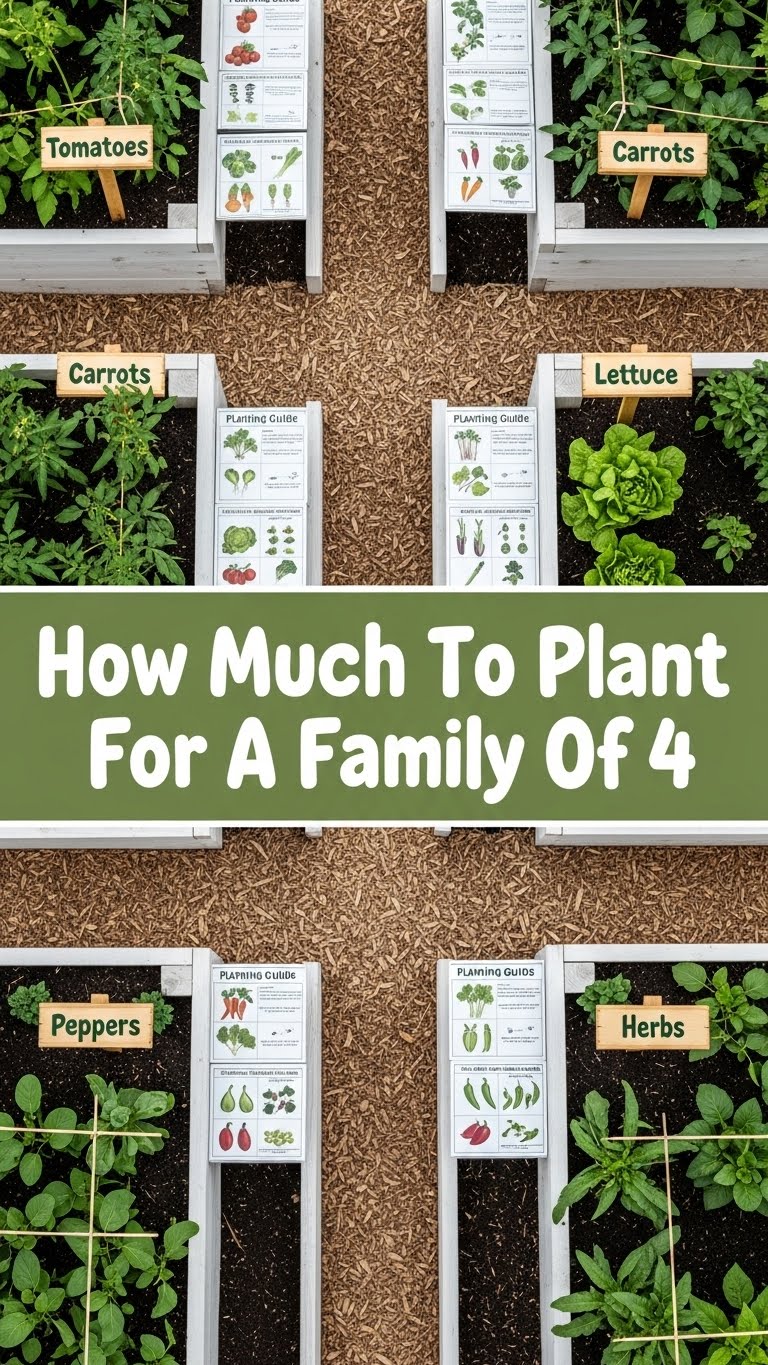
So, you’re dreaming of homegrown salads and vine-ripened tomatoes, but staring at seed packets makes your brain do a confused little jig, huh? Wondering if you need an acre or just a window box to feed your hungry mob of four? Same, friend, same. Let’s dig into how much green goodness you actually need to plant without turning your backyard into an Amazon rainforest… unless that’s your vibe, then go for it!
Why This “Recipe” (for a Garden) is Awesome
Okay, so it’s not a recipe for a cake, but it’s a “recipe” for success in the garden, and frankly, it’s pretty awesome. Why? Because this guide is practically **idiot-proof**. Even I, someone whose “green thumb” often ends up looking more like a withered brown twig, have figured out how to grow enough to make my family think I’m some kind of earthy goddess (spoiler: I’m just good at following simple instructions). This isn’t about becoming a self-sufficient homesteading guru; it’s about getting enough fresh, delicious produce to make your grocery bill weep with jealousy, impress your dinner guests, and maybe even have enough for a little humble brag on social media. Plus, no more sad, pale tomatoes, am I right?
Ingredients You’ll Need (aka, Your Garden Shopping List)
Think of this as your ingredient list for a fantastic harvest. No fancy culinary school degree required!
- **Sunlight (6-8 hours daily):** This is non-negotiable. Without it, your plants will stage a dramatic protest.
- **Good Soil:** Think fluffy, dark, well-draining goodness. Not that hard, compacted stuff your dog probably pees on.
- **Water Source:** A hose, a watering can, a rain barrel – whatever floats your boat (and your plants).
- **Seeds or Starter Plants:** This is where the magic begins! Pick varieties you actually *want* to eat.
- **Basic Garden Tools:** A trowel, a small shovel, maybe some gloves (unless you love dirt under your nails, you rebel).
- **Space:** Could be raised beds, containers, or a plot in your yard. Size matters, but we’ll tackle that below.
- **A Dash of Patience & A Sprinkle of Optimism:** You got this!
Step-by-Step Planting “Instructions”
Here’s the breakdown for a typical family of four. Remember, these are general guidelines; adjust based on how much your family actually devours!
Pick Your Veggies Wisely: Don’t just plant what looks pretty. Plant what your family will actually eat. Are you a salad fanatic? Load up on greens. Pasta lover? Tomatoes are your jam. Don’t waste precious garden real estate on brussels sprouts if everyone at your table pretends they’re tiny aliens.
Tomatoes (The Garden Superstar): For a family of four who enjoys regular tomato goodness (think slicing for sandwiches, salads, and a few sauces), aim for **2-3 slicing varieties** and **1-2 cherry tomato plants**. Cherry tomatoes are prolific little overachievers and great for snacking. Slicing tomatoes give you those big, juicy beauties.
Leafy Greens (Salad Bar at Home): Lettuce, spinach, kale – these are fast growers! For continuous salads, plant a small patch (say, a **2×4 foot area**) or about **4-6 individual plants** every 2-3 weeks. This “succession planting” means you’ll always have fresh greens instead of a huge glut all at once.
Zucchini/Summer Squash (The “Gift That Keeps On Giving”… and Giving): Seriously, for a family of four, **1-2 plants MAX**. These things are like rabbits; they multiply like crazy. You’ll be leaving zucchini on your neighbors’ doorsteps in the dead of night, trust me.
Bell Peppers (Versatile & Colorful): These are great for stir-fries, fajitas, or just crunching raw. Plan for about **3-4 bell pepper plants**. They produce steadily throughout the season, giving you enough for meals without overwhelming you.
Bush Beans (Easy Peasy): Bush beans are relatively quick and don’t need trellises. Plant a **10-15 foot row** (or a 4×4 foot block if planting intensively) for consistent harvests. Again, consider succession planting a small section every few weeks for a longer supply.
Cucumbers (Cool & Refreshing): If you love fresh cukes or pickles, **2-3 plants** (vining types will need support, bush types are more compact) should give you plenty. Don’t go overboard unless you’re starting a pickle empire.
Common Mistakes to Avoid (So You Don’t Cry Over Wilted Dreams)
Let’s skip the rookie errors, shall we? Learn from my past gardening misadventures.
**Over-planting:** This is the most common mistake! Thinking more plants mean more food. Nope, it often means overgrown, stressed plants and way too much zucchini. Remember: **quality over quantity**.
**Ignoring Sun Needs:** Planting sun-loving tomatoes in a shady corner is like trying to bake a cake without an oven. It’s just not gonna work. **Observe your garden’s sun patterns before planting.**
**Forgetting About Water:** Plants get thirsty! Especially in hot weather. Don’t let them dry out, but also don’t drown them. **Consistency is key**.
**Not Amending Your Soil:** Planting directly into hard, nutrient-poor dirt is a recipe for sad, struggling plants. **Invest in good compost** and mix it in. Your plants will thank you.
**Ignoring Pests & Diseases:** A quick daily check for unwelcome guests or weird spots on leaves can save your entire harvest. Don’t wait until it’s an infestation!
Alternatives & Substitutions (Garden Hacks for Every Space)
No perfect plot? No problem! There are always ways to adapt your “recipe.”
Container Gardening: Live in an apartment or have limited yard space? Many veggies thrive in pots! Think determinate (bush) tomatoes, peppers, bush beans, lettuce, spinach, and herbs. Just make sure the containers are big enough and have good drainage. **Bigger pots usually mean happier plants!**
Vertical Gardening: Got a fence or a sunny wall? Trellises, hanging planters, and vertical garden systems are fantastic for vining plants like cucumbers, pole beans, and even some smaller tomato varieties. Saves space, looks cool.
Succession Planting (Again!): Already mentioned, but it’s such a game-changer for crops like lettuce, radishes, carrots, and bush beans. Plant small batches every few weeks instead of one big planting. This stretches your harvest over a longer period.
Easy Swaps: Not a fan of bell peppers? Try hot peppers! Zucchini overload? Plant yellow squash or patty pan squash instead. Love fresh herbs? Plant a dedicated herb garden – basil, mint, parsley, cilantro are super rewarding and take up little space.
FAQ (Frequently Asked Questions)
Can I just scatter seeds and hope for the best? Well, technically yes, but why hurt your future harvest like that? For best results, **follow seed packet instructions** regarding spacing and depth. Your plants will thank you with a bountiful yield.
Do I *really* need to fertilize? If your soil is great and full of compost, maybe not always. But for prolonged production, a little balanced organic fertilizer every few weeks can give your plants a much-needed boost. Think of it as a power-up!
My plants look sad, what do I do?! First, don’t panic! Check for water (too much or too little?), sun (enough?), and pests. Most plant woes can be solved by addressing one of these basics. Google is your friend here, too.
How often should I water? This is the million-dollar question! It depends on your climate, soil type, and what you’re growing. Generally, aim for **deep, infrequent watering** rather than shallow, daily sprinkles. Stick your finger in the soil; if it feels dry an inch or two down, it’s probably time.
Is organic gardening harder? Not at all! It’s often simpler. You’re working with nature, not against it. Focus on healthy soil, proper plant spacing, and natural pest control, and you’ll be golden. **IMO, it tastes better too!**
Final Thoughts
So there you have it, your not-so-secret guide to planting enough for your hungry household without needing to buy a farm. Remember, gardening is all about experimenting and learning. Don’t be afraid to get your hands dirty, make a few mistakes (it happens!), and enjoy the process. There’s nothing quite like harvesting food you grew yourself. Now go impress someone—or yourself—with your new garden prowess. You’ve earned those fresh veggies!