So, you’re staring into the fridge, wondering how to bribe your tiny human into eating something other than beige food, huh? Same. Let’s cook up some knowledge that’ll make mealtime less of a battlefield and more of a delicious adventure!
Why This “Recipe” is Awesome
This isn’t just a recipe; it’s a **mealtime sanity saver**! We’re not making cookies (yet), we’re whipping up a strategy for feeding those adorable, yet notoriously picky, little humans. Think of it as your secret sauce to balanced plates and fewer food fights. Forget complicated cookbooks; this guide will help you understand the building blocks of a healthy diet for kids, making you feel like a culinary superhero. It’s totally idiot-proof, even I didn’t mess it up.
Ingredients You’ll Need
These aren’t your typical pantry staples; these are the fundamental ‘ingredients’ for a balanced kid’s diet, served with a side of fun!
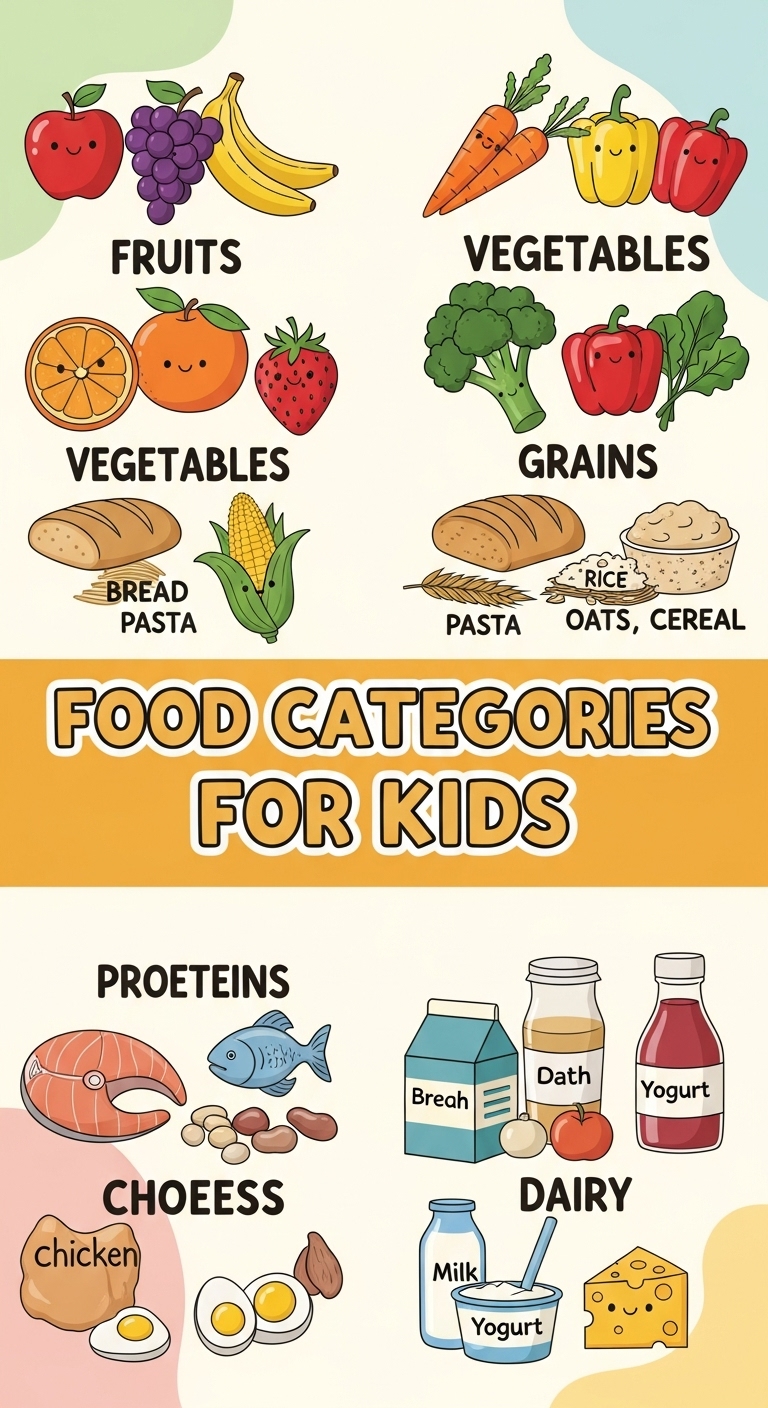
- Proteins (The Mighty Muscle Builders): Think superhero fuel! We’re talking chicken nuggets (the good kind, obvs), fish sticks, beans, lentils, eggs, tofu, lean meats. Crucial for growing strong bodies and keeping them full for longer.
- Grains (The Energy Engines): Power-up time! Whole wheat pasta, brown rice, whole grain bread, oats, quinoa, fortified cereals. These provide the sustained energy little ones need to run, jump, and explore without crashing.
- Fruits & Veggies (The Rainbow Power-Ups): Get your colors on! Berries, apples, bananas, carrots, broccoli, spinach, bell peppers – you name it. Packed with vitamins, minerals, and fiber – the ultimate health boosters disguised as colorful snacks.
- Dairy/Alternatives (The Bone Boosters): For strong bones and happy tummies! Milk, yogurt, cheese. Or fortified plant-based milks like oat or almond if dairy isn’t an option. Calcium is king here!
- Healthy Fats (The Brain Fuelers): Smart snacks for smart kids! Avocado, nuts/seeds (if age-appropriate, check for allergies!), olive oil, fatty fish like salmon. Essential for brain development and absorbing vitamins.
Step-by-Step Instructions
Ready to put these “ingredients” into action? Follow these easy steps to build balanced plates and happy eaters.
- Gather Your “Ingredients” (Understand the Categories): First things first, get familiar with what each category actually includes. You don’t need to be a nutritionist, just know the basics. A quick mental check before hitting the grocery store can make a world of difference.
- Mix and Match for Maximum Flavor (Variety): Aim to include at least three, ideally four, of these categories in every main meal. A plate isn’t balanced if it’s just pasta, right? Variety ensures they get a broad spectrum of nutrients.
- Plate It Up Like a Pro (Presentation): Make food look fun! Cut sandwiches into shapes, arrange veggies in a smiley face, or use colorful plates. Little eyes eat first, IMO. Who can resist a plate that looks like a masterpiece?
- Offer Choices (Within Limits): Give them some agency. “Do you want carrots or cucumbers with dinner?” Not “What do you want for dinner?” Big difference. This empowers them without letting them dictate the entire menu.
- Be Patient and Persistent (The Slow Cook Method): Introduce new foods gradually. It can take 10-15 exposures before a kid accepts a new food. Don’t give up after the first “ew!” Consistency is key to expanding their palate.
Common Mistakes to Avoid
We’ve all been there. Here are some pitfalls to dodge on your path to feeding greatness.
- Becoming a Short-Order Cook: Seriously, don’t make a separate meal for every kid. Offer *components* that everyone can eat. You’re a parent, not a restaurant chef. Save yourself the headache!
- Hiding Veggies Like a Ninja: While a little puréed squash in a sauce is fine, kids need to see, touch, and eventually taste actual vegetables to learn to like them. Transparency builds trust and familiarity.
- Making it a Battleground: Mealtimes should be pleasant. If it’s constantly a fight, step back. You provide healthy options, they decide how much (or if) they eat. **You’re responsible for *what* is offered; they’re responsible for *how much* they eat.**
- Thinking One Day Defines Their Diet: So they ate only goldfish crackers today? No biggie. Look at their diet over a week, not a single meal or day. Nutritional balance is a long game!
Alternatives & Substitutions
Life happens, and sometimes you need to pivot. Here are some easy swaps to keep things interesting and inclusive.
- Picky Protein? If chicken is a no-go, try beans in a quesadilla, or offer hard-boiled eggs. Fish sticks are also a crowd-pleaser (just check the ingredients, some are better than others!). Lentil pasta is another sneaky protein source.
- Veggie Aversion? If they turn their nose at broccoli, try sweet potato fries, peas, or corn. Frozen veggies are your friend, too – often more affordable and just as nutritious, plus super convenient.
- Dairy-Free Dilemmas? Fortified oat or almond milk are great alternatives for calcium. Tofu can replace cheese in some dishes, and nutritional yeast adds a surprisingly cheesy flavor to sauces.
FAQ (Frequently Asked Questions)
Got burning questions? We’ve got casual, witty answers. You’re welcome.
- “My kid only eats white food. Help!” Ah, the beige food phase! Start by introducing *one* new color at a time. A single blueberry on the plate, a sliver of carrot. Small steps, big wins. Don’t overwhelm them!
- “How much of each food group should I offer?” Think small portions! Kids’ stomachs are tiny. A good rule of thumb is about a tablespoon per year of age for each component. They can always ask for more, remember?
- “Is juice considered a fruit?” Well, technically yes, but why hurt your soul like that? While it comes from fruit, juice often lacks fiber and is packed with sugar. Offer whole fruit instead for maximum nutrition. Water or milk are better drink choices, FYI.
- “What if they just refuse to eat?” Don’t make it a power struggle. Politely remove the plate after 20-30 minutes. Offer water. They’ll eat when they’re hungry. Trust me on this one; kids rarely starve themselves.
- “Can I give them dessert if they don’t eat their dinner?” This can turn dessert into a reward and dinner into a chore. Better to offer dessert occasionally, regardless of dinner intake, or make healthy, balanced desserts part of the meal.
- “How do I introduce new foods without a meltdown?” The “one bite rule” can backfire. Instead, simply offer it. Let them touch, smell, and even lick it. Exposure without pressure is key. The more familiar it becomes, the less scary it is.
Final Thoughts
Phew! Who knew “feeding kids” could be such an epic quest, right? But with these ‘food category’ ingredients in your pantry and a dash of patience, you’re well on your way to becoming a mealtime magician. Remember, every bite counts, but every battle doesn’t. Now go impress someone—or yourself—with your new culinary wisdom. You’ve earned it! Happy feeding!