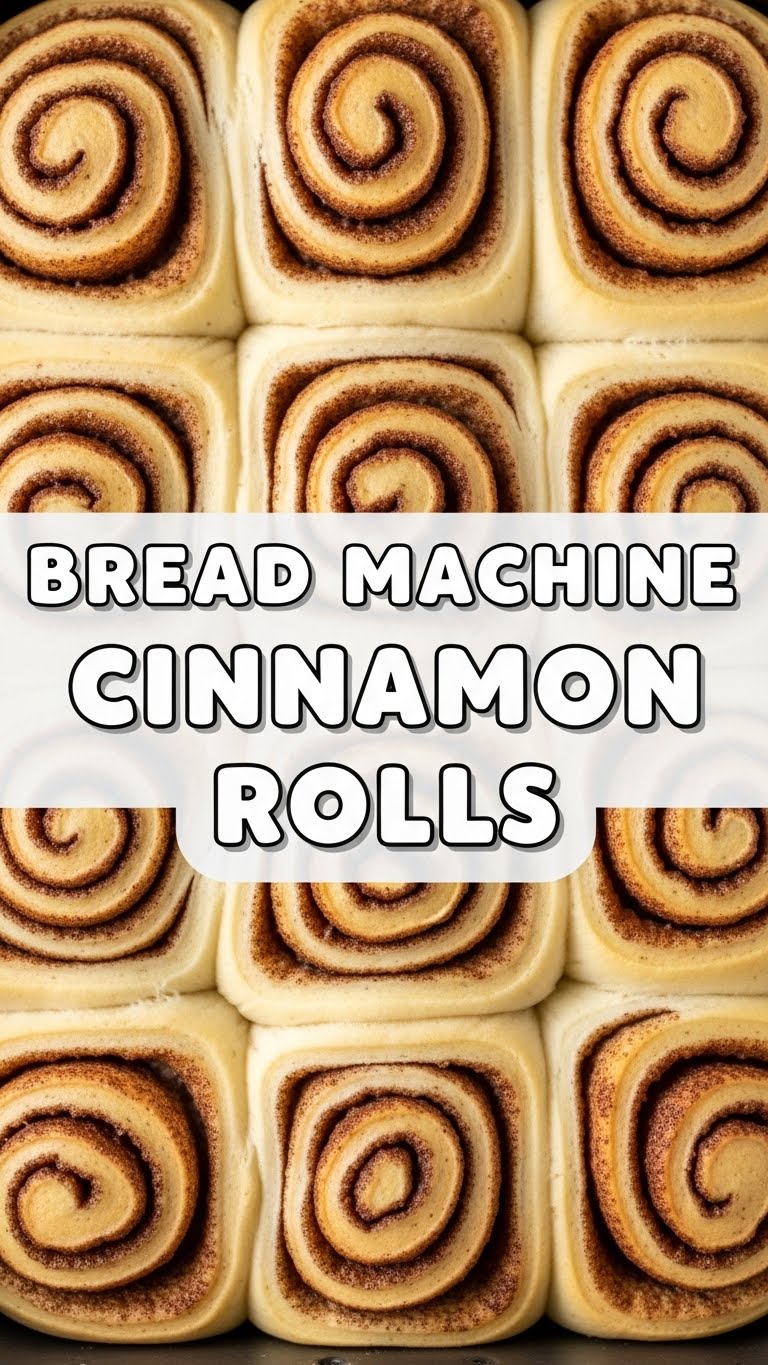
So you’re craving something warm, gooey, and utterly delicious, but the thought of spending an entire afternoon kneading dough and making a flour-cloud mess makes you want to crawl back into bed? Been there, done that, got the sticky t-shirt. Good news, my friend: your trusty bread machine is about to become your new bestie for the most epic, least effort cinnamon rolls ever. Seriously, it practically makes them for you while you scroll TikTok. Let’s get baking without the back-breaking, shall we?
Why This Recipe is Awesome
Okay, let’s be real. We all love the idea of homemade baked goods, but the reality of sticky hands and endless kneading? Not so much. That’s where this recipe swoops in like a superhero in an apron. It’s truly a game-changer because your bread machine handles all the heavy lifting – the mixing, the kneading, and even the first rise. This means way less mess for you, less effort, and more time to, well, whatever you want! Plus, it’s pretty much **idiot-proof**, even I haven’t managed to mess this one up, and that’s saying something. You get those perfect, fluffy, sweet rolls that taste like you spent all day slaving in the kitchen, but shhh, your secret’s safe with me.
Ingredients You’ll Need
Gather ’round, baking buddies! Here’s what you’ll need for cinnamon roll perfection. Don’t worry, nothing too fancy, just good old pantry staples.
- 1 cup Warm Milk: Not hot, not cold. Think baby bathwater warm. Yeast likes a cozy environment, FYI.
- 1/4 cup Granulated Sugar: For sweetness, obviously. And to feed our little yeast friends.
- 1 Large Egg: Room temperature, if possible. Gives richness and structure.
- 1/4 cup Unsalted Butter: Melted and slightly cooled. Because butter makes everything better, period.
- 1 teaspoon Salt: Don’t skip this! It balances the sweetness and brings out the flavor.
- 3 cups All-Purpose Flour: The backbone of our fluffy dough.
- 2 1/4 teaspoons Active Dry Yeast: (That’s one standard packet!) The magic ingredient that makes everything rise and be happy.
For the Gooey Filling:
- 1/2 cup Unsalted Butter: Softened, not melted. Easier to spread.
- 3/4 cup Light Brown Sugar: Packed. For that caramel-y sweetness.
- 2 tablespoons Ground Cinnamon: Don’t be shy! This is “cinnamon” rolls after all.
For the Dreamy Frosting:
- 1 1/2 cups Powdered Sugar: Sifted, if you’re feeling fancy, to avoid lumps.
- 2-3 tablespoons Milk or Cream Cheese: Or heavy cream! Whichever you prefer for consistency and flavor.
- 1/2 teaspoon Vanilla Extract: A little extra oomph.
Step-by-Step Instructions
- First things first, add the warm milk, granulated sugar, egg, melted butter, and salt to your bread machine pan. Most machines recommend liquids first, so follow their lead.
- Next, gently add the flour, carefully layering it over the wet ingredients. Try not to let it touch the liquid too much yet.
- Finally, create a small well in the center of the flour and add the yeast. This keeps it separate from the salt and sugar until mixing starts, giving it the best chance to activate.
- Select the “Dough” or “Dough Cycle” setting on your bread machine and press start. Now, go put your feet up, because your machine is about to do all the hard work for about 1.5 to 2 hours!
- Once the cycle finishes, gently remove the dough from the machine. It should be soft and elastic. Lightly flour a clean surface and gently punch down the dough to release the air.
- Roll out the dough into a large rectangle, roughly 12×18 inches. Aim for an even thickness, about 1/4 inch.
- In a small bowl, mix your softened butter, brown sugar, and cinnamon for the filling. Spread this mixture evenly over the rolled-out dough, going almost to the edges.
- Carefully roll the dough up tightly from one of the longer sides. Once rolled, use a sharp, un-serrated knife or dental floss (a pro tip for clean cuts!) to slice the log into 12 equal rolls, about 1 1/2 inches thick.
- Grease a 9×13 inch baking dish and arrange the rolls snugly inside, leaving a little space between them for expansion. Cover the dish with plastic wrap or a clean kitchen towel and let them rise in a warm place for another 30-45 minutes, or until they look visibly puffy and almost double in size. This is called the “second proof” or “final proof.”
- While the rolls are proofing, preheat your oven to 375°F (190°C).
- Bake for 20-25 minutes, or until golden brown and cooked through. Keep an eye on them; ovens vary!
- While the rolls are cooling slightly (but still warm!), whisk together the powdered sugar, milk/cream, and vanilla for your frosting until smooth. Adjust the liquid to get your desired consistency – thick and luscious or a bit thinner for drizzling.
- Generously spread or drizzle the frosting over the warm cinnamon rolls. Serve immediately and bask in the glory of your practically effortless, homemade creation!
Common Mistakes to Avoid
Even with a bread machine doing most of the work, there are a few rookie mistakes that can sabotage your cinnamon roll dreams. Don’t be that person!
- Using super hot or ice-cold milk: Yeast is a diva; it needs lukewarm temps to thrive. Too hot, it dies. Too cold, it sleeps. Aim for that perfect baby bathwater temp, remember?
- Forgetting the salt (or adding too much): Salt is crucial for flavor balance and yeast regulation. Too much, and your dough won’t rise. Too little, and it’ll taste bland and yeasty.
- Not letting them proof enough (or over-proofing): Patience, young padawan! The second rise is essential for fluffy rolls. If they don’t rise enough, they’ll be dense. If they over-proof, they can collapse in the oven. Look for visibly puffy.
- Overbaking: Dry cinnamon rolls? No thanks! Keep an eye on them. They should be golden brown, not dark brown and crispy. A good rule of thumb: they’re better slightly underbaked than overbaked.
- Thinking you don’t need to soften the butter for the filling: Trying to spread cold, hard butter? Good luck with that! You’ll tear the dough. Softened butter is key for a smooth, even spread.
Alternatives & Substitutions
Feeling a little adventurous, or just realized you’re out of one tiny ingredient? No stress, we can totally adapt!
- Milk: Plant-based milks like almond, soy, or oat milk work great as a 1:1 substitute for dairy milk. They might slightly alter the flavor profile, but still delicious!
- Butter: Okay, for the filling, please stick to butter. But in a pinch, for the dough, you *could* use margarine. But why hurt your soul like that? Butter just provides superior flavor and texture, IMO.
- Filling Fun: Want to jazz things up? Add a sprinkle of chopped pecans or walnuts to the filling. A little orange zest mixed with the cinnamon and sugar? Divine! Or even a tablespoon of cocoa powder for a chocolatey twist.
- Frosting Variations: Don’t have cream cheese? A simple glaze of powdered sugar, milk, and vanilla is perfectly fine. Want something tangier? Add a tiny squeeze of lemon juice to the glaze.
FAQ (Frequently Asked Questions)
Got questions? I’ve got (casual) answers!
Can I use cold milk for the dough?
Well, technically you *could*, but your yeast will be super grumpy and probably won’t activate properly. Warm milk is the secret sauce for happy, active yeast and fluffy dough. Don’t skimp on the coziness!
My dough is too sticky/too dry after the bread machine cycle. Help!
This often boils down to flour measurements (always scoop and level!) or humidity levels in your kitchen. If it’s too sticky, add a tablespoon of flour at a time during the kneading cycle (if your machine allows). Too dry? Add a teaspoon of milk. But **don’t go crazy**; the dough should be soft and a little tacky.
Can I prepare these ahead of time?
Absolutely! Once you’ve placed the sliced rolls in the baking dish, cover them tightly with plastic wrap and pop them in the fridge overnight. In the morning, pull them out about an hour before baking to let them come to room temp and proof a bit before baking. Morning cinnamon rolls just got easier!
What if I don’t have a bread machine? Can I still make these?
Yes, but that would defeat the purpose of *this* recipe, wouldn’t it? If you’re going old-school, you’d mix and knead by hand or with a stand mixer for about 8-10 minutes until smooth and elastic, then proceed with the first rise in a warm place until doubled. It’s more work, but totally doable if you’re up for it!
Can I use less sugar in the recipe?
You can, but be warned: cinnamon rolls are meant to be a sweet treat! Reducing the sugar too much might affect the yeast activity slightly and, more importantly, the overall deliciousness. If you’re worried about sweetness, perhaps adjust the frosting rather than the dough or filling.
Do I *really* need to let them proof a second time?
You can skip it if you want dense, sad rolls. But if you’re aiming for that light, fluffy, melt-in-your-mouth texture, then yes, the second proof is crucial. It gives the yeast one last chance to do its thing before baking. Don’t rush perfection!
Final Thoughts
And there you have it, folks! Your ticket to cinnamon roll heaven, made almost entirely by your trusty bread machine. You’ve just created something truly amazing with minimal effort, and that’s a win in my book. So go ahead, pull out one of those warm, gooey rolls, drown it in frosting, and savor every bite. You’ve earned it! Now go impress someone—or yourself—with your new culinary superpowers. Happy baking, my friend!