“`html
So you’re staring into the abyss of your fridge, and all you see are those pale, innocent-looking boneless chicken breasts. They whisper promises of a delicious meal, but sometimes they also scream “Dry and Boring!” Fear not, my friend, for I am here to rescue those poor poultry pieces from the clutches of culinary mediocrity. We’re about to turn those unassuming breasts into something truly spectacular, and guess what? It’s not rocket science. It’s *chicken* science, and it’s way more fun.
Why These Chicken Breast Methods Are Pure Gold
Let’s be honest, chicken breast can be a bit of a diva. Too much heat? Sahara desert. Too little heat? Pink, questionable science experiment. But these methods? They’re like a gentle, encouraging hug for your chicken. We’re talking juicy, flavorful, and ridiculously easy. Seriously, if you can boil water (and let’s face it, some of us struggle with that), you can nail this. It’s so foolproof, I’ve done it multiple times without accidentally setting off the smoke alarm. That’s a win in my book!
Ingredients You’ll Need (The Usual Suspects)
- Boneless, skinless chicken breasts: The stars of our show! Try to pick ones that are roughly the same thickness for even cooking. If not, no stress, we’ll work with it.
- Olive oil (or your favorite cooking oil): The lubricant that makes everything slide smoothly.
- Salt and Pepper: The dynamic duo. Don’t skimp!
- Your favorite spices/seasonings: This is where the magic happens! Think paprika, garlic powder, onion powder, Italian herbs, chili powder, cumin… whatever makes your taste buds sing. Get creative!
- Optional flavor boosters: A squeeze of lemon, a splash of soy sauce, a dollop of Dijon mustard. You know, the fancy stuff.
Step-by-Step Instructions (Let’s Do This!)
Prep Your Bird:
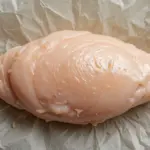
First, give those chicken breasts a little spa treatment. Pat them dry with a paper towel. This is crucial for getting a nice sear and preventing them from steaming themselves into oblivion. Then, if your breasts are super thick in one spot and thin in another, **tuck the thicker end under** or **pound them gently** to an even thickness. This is your secret weapon against uneven cooking.
Season Like a Boss:
Drizzle with olive oil and rub it all over. Now, unleash your inner spice guru! Sprinkle generously with salt, pepper, and your chosen seasonings. Don’t be shy! This is your chance to flavor town. Get into all the nooks and crannies.
The Cooking Methods (Pick Your Adventure!):
Option 1: The Pan-Sear Sensation
Heat a skillet (cast iron is your bestie here) over medium-high heat. Add a splash more oil if your pan looks sad. Once shimmering hot, carefully place the chicken breasts in. **Don’t crowd the pan!** Cook for about 5-7 minutes per side, until golden brown and cooked through. Use a meat thermometer – aim for an internal temp of 165°F (74°C).
Option 2: The Oven Roast Rockstar
Preheat your oven to 400°F (200°C). Place your seasoned chicken breasts on a baking sheet lined with parchment paper (for easy cleanup, duh). Roast for 20-25 minutes, or until they reach that magical 165°F (74°C) internal temperature. This is the “set it and forget it” method, perfect for when you’re multitasking (aka scrolling on your phone).
Option 3: The Broiler Brilliance
This is for when you want that crispy, caramelized top. Place chicken on a foil-lined baking sheet and position it about 4-6 inches from the broiler. Broil for 5-7 minutes per side, **keeping a very close eye on it**. Broilers are no joke; they can go from perfect to burnt in seconds!
Resting is Best-ing:
Once cooked, **let the chicken rest for 5-10 minutes** before slicing. This allows the juices to redistribute, making your chicken extra moist and delicious. Skipping this step is like leaving a party early – you’re missing out on the best part!
Common Mistakes to Avoid (Don’t Be That Guy/Gal)
- The “I’ll just wing it” approach to cooking time: Seriously, invest in a meat thermometer. It’s life-changing.
- Overcrowding the pan: Your chicken will steam instead of searing, leading to a sad, pale existence.
- Not resting the chicken: You’ve worked hard, don’t let all those delicious juices escape onto your cutting board!
- Skipping the seasoning: Bland chicken is a culinary crime. Don’t commit it.
- Overcooking: This is the cardinal sin. Nobody likes sawdust chicken.
Alternatives & Substitutions (Because We’re All About Options)
Oil: Avocado oil or grapeseed oil work just as beautifully. Even melted butter adds a lovely richness, especially for pan-searing.
Seasonings: Feel free to go wild! A little smoked paprika for a campfire vibe? A pinch of cayenne for a little kick? Lemon zest? Garlic cloves smashed in the pan? YES. My personal favorite is a mix of garlic powder, onion powder, paprika, and a touch of dried thyme. It’s like a hug in spice form.
Marinades: If you have an extra 30 minutes (or, let’s be real, an hour), a quick marinade in yogurt, lemon juice, or even Italian dressing can take your chicken to a whole new level of tender.
FAQ (Your Burning Chicken Questions, Answered)
Q: My chicken breasts are all different sizes. What’s the deal?
A: Ah, the uneven breasts of doom! Your best bet is to pound them to an even thickness (seriously, it’s a game-changer) or cook the thinner parts for less time. A thermometer is your BFF here.
Q: Can I cook them from frozen?
A: Technically, yes, but it’s a gamble. They often cook unevenly, and you risk overcooking the outside while the inside is still lukewarm. It’s always better to thaw them first!
Q: How do I know when it’s *really* cooked?
A: The meat thermometer is your ultimate guide! Stick it in the thickest part. Anything less than 165°F (74°C) is a no-go. If it’s still a bit pink but the temp is there, that’s usually safe, but for maximum peace of mind, aim for that golden 165.
Q: Can I use boneless, skinless thighs instead?
A: Absolutely! Chicken thighs are way more forgiving and almost impossible to dry out. The cooking times might be slightly longer, so keep that thermometer handy.
Q: My chicken looks a little… sad. What did I do wrong?
A: Don’t beat yourself up! Usually, it’s either overcooked (too much time or too high heat) or under-seasoned. Try these methods again, focus on that temp, and season with gusto!
Q: Is it okay to eat chicken that’s slightly pink?
A: If the internal temperature has reached 165°F (74°C), then yes, it’s safe. Sometimes chicken can retain a little pinkish hue even when fully cooked, especially with certain marinades. The thermometer is king!
Final Thoughts
See? Boneless chicken breast doesn’t have to be the culinary equivalent of watching paint dry. With a little know-how and a dash of enthusiasm, you can transform those humble breasts into something truly delicious. Now go forth and conquer your kitchen! Whether you’re feeding a crowd or just yourself, you’ve got this. And remember, the most important ingredient is always having fun. Happy cooking!
“`