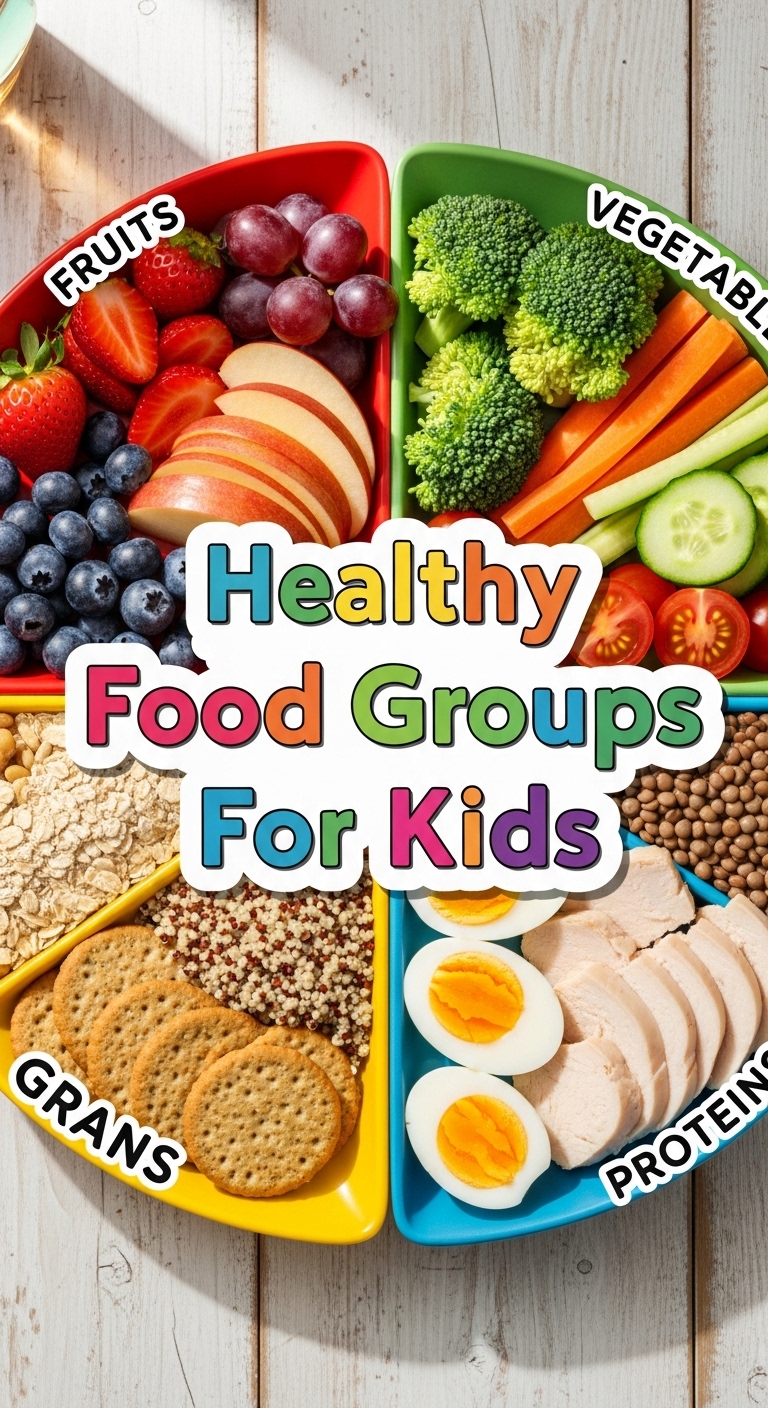
So, you’re trying to sneak some actual nutrients into your little humans without staging a full-blown culinary war, huh? Been there, done that, bought the t-shirt (probably stained with pureed spinach). Feeding kids can feel like trying to solve a Rubik’s cube while blindfolded and juggling. But what if I told you there’s a super chill, totally fun way to think about it? It’s less about “eat your veggies!” and more about building a superhero plate!
Why This “Recipe” for Super Kids’ Fuel is Awesome
Okay, so this isn’t a recipe for a single dish, but rather a **game plan** for building powerhouse meals for your kiddos. Why is it awesome? Because it takes the guesswork out of “Are they actually getting enough of anything good?” It’s idiot-proof, even for those of us who sometimes forget which end of the spoon to use. Seriously, understanding food groups is like getting the cheat code to raising energetic, healthy kids without turning mealtime into a negotiation with a tiny, stubborn dictator. Plus, less food waste! Win-win, baby!
“Ingredients” You’ll Need (aka The Mighty Food Groups)
Think of these as your basic building blocks for a kiddo-fueling masterpiece. No weird obscure spices, just the good stuff!
- The Vibrant Veggies: The rockstars of vitamins and fiber! Broccoli that looks like mini trees, carrots that make you see in the dark (allegedly), bell peppers like edible jewels. Don’t be shy, go for all the colors of the rainbow.
- Fruity Fun: Nature’s candy! Apples, bananas (the ultimate grab-and-go snack), berries (tiny bursts of joy), oranges (hello, Vitamin C!). Sweet, delicious, and way better than a sugar rush from a candy bar.
- Wholesome Grains: The energy providers! Think whole wheat bread, pasta, oats, brown rice. These are the slow-burning fuel that keeps them going from morning tantrum to evening meltdowns. Just kidding… mostly.
- Protein Powerhouses: For growing muscles and brains! Chicken nuggets (homemade, of course!), fish sticks (baked, not fried!), eggs, beans, lentils, peanut butter (if no allergies, duh!). These guys build ’em up strong.
- Dairy & Dairy Alternatives: For strong bones! Milk, yogurt, cheese sticks (the ultimate bribe!). If dairy isn’t their jam, soy milk, almond milk, or fortified orange juice can step in. Just make sure they’re getting that calcium!
Step-by-Step Instructions (Building a Power Plate!)
Ready to turn these “ingredients” into a culinary triumph? It’s simpler than you think!
- Pick Your Protein Star: Start with a good source of protein for their main meal. Grilled chicken, a handful of chickpeas, or a cheesy omelet are great starting points. This is the foundation of their energy.
- Add a Splash of Color (Veggie Power!): Next, sneak in some veggies. Steamed broccoli florets, cucumber slices, or some cherry tomatoes make perfect additions. Don’t be afraid to offer small portions of a new veggie alongside a familiar favorite.
- Bring in the Grains for Sustained Energy: Whole wheat pasta, a mini whole grain pita, or some brown rice will keep those energy levels steady. This prevents the dreaded sugar crash and subsequent grumpiness.
- Sweeten with Fruit (Naturally!): For dessert or as a side, offer a piece of fruit. Apple slices, a small banana, or a handful of berries are fantastic. It satisfies that sweet craving without the processed stuff.
- Don’t Forget Dairy/Alternatives: A small glass of milk, a yogurt cup, or a slice of cheese can round out the meal perfectly. Calcium is super important for their growing bones!
- Mix and Match: The real magic happens when you combine! For breakfast, try oatmeal (grain) with berries (fruit) and milk (dairy) plus some nuts (protein). Lunch? Whole wheat wrap (grain) with hummus (protein) and carrot sticks (veg). See? Easy peasy!
Common Mistakes to Avoid (We’ve All Been There!)
Listen, no one’s perfect, especially when dealing with tiny food critics. But here are a few rookie errors to steer clear of:
- Giving Up Too Soon: Kids sometimes need to be exposed to a new food 10-15 times before they even try it. Don’t throw in the towel after the first “eww!” or dramatic gag. Persistence pays off!
- Making It a Battle: Turning mealtime into a war zone just makes everyone miserable. Focus on offering healthy options and letting them decide how much to eat. You’re the chef, they’re the diner.
- The “Clean Your Plate” Trap: Forcing kids to eat everything can mess with their natural hunger cues. Encourage them to listen to their bodies. A healthy relationship with food is key.
- Hiding Veggies (Forever): While pureeing spinach into a smoothie is a pro move sometimes, it’s also important to let kids see and interact with whole vegetables. Exposure is essential for acceptance.
- Forgetting the Fun Factor: Food should be enjoyable! Make funny faces with food, create food art, or let them help prepare simple dishes. Engagement boosts acceptance!
Alternatives & Substitutions (Because Picky Eaters Exist, DUH!)
Okay, so your kiddo thinks broccoli is an alien invader. No sweat! Here are some swap-outs:
- Veggies: If they won’t touch green beans, try sweet potato fries (homemade, baked!), corn, or even a mild tomato sauce. Roasting veggies with a little olive oil and a sprinkle of Parmesan can work wonders.
- Fruits: Not a fan of apples? Pears, melon, grapes (cut lengthwise for small kids, safety first!), or even unsweetened applesauce are fantastic. Smoothies are a great way to sneak in a mix of fruits (and even some hidden spinach!).
- Grains: Whole wheat pasta is a great go-to, but if they prefer white, try to mix in some whole wheat. Quinoa, farro, or even whole wheat crackers are good alternatives.
- Protein: Chicken not a hit? Try fish (tuna salad, salmon cakes), beans (black bean burgers, bean dips), lentils, or a good old hard-boiled egg. Peanut butter on whole wheat toast is always a winner (again, if no allergies).
- Dairy: If milk is a no-go, fortified oat, soy, or almond milk can step in. Cheese sticks, cottage cheese, or yogurt (plain, with fruit added) are other great calcium sources.
FAQ (Because You’ve Got Questions, We’ve Got (Casual) Answers!)
Let’s tackle some common conundrums, shall we?
- My kid only eats mac & cheese. Am I a terrible parent? Nope, you’re human! We’ve all been there. Keep offering those healthy options alongside the mac & cheese. Exposure is key, not force.
- How much of each food group should they eat? Great question! Think variety and balance, not strict measurements for little ones. A good rule of thumb is a small amount of 3-4 food groups per meal. Their tiny tummies fill up fast!
- What if they refuse all vegetables? Don’t panic! Start small. A tiny sprinkle of grated carrot in spaghetti sauce, a sliver of avocado, or a “dip” veggie like cucumber with hummus. And remember, fruit is your friend!
- Are juice boxes okay? Moderation is key. Whole fruit is always better due to the fiber. If you do juice, make it 100% juice and limit it to small amounts. Water is always the best hydrator!
- My child is allergic to dairy/nuts. What then? Totally understandable! There are amazing fortified alternatives now. Focus on other calcium sources like fortified plant milks, dark leafy greens, and calcium-set tofu. For nuts, seeds (sunflower, pumpkin) or seed butters are great protein and healthy fat sources. Always consult a pediatrician or dietitian for specific allergy concerns, FYI.
- Is it okay if they eat the same thing every day? Not ideal, but common! Try to vary one or two components of the meal if they’re stuck on a favorite. Example: same sandwich, but different fruit or veggie side.
Final Thoughts (You Got This!)
Phew! You’ve officially leveled up your kid-feeding game. Remember, building healthy eating habits is a marathon, not a sprint. There will be good days, and there will be days where their entire meal ends up on the floor (or in their hair). It’s all part of the glorious chaos of parenting. Be patient, be persistent, and most importantly, be kind to yourself. Now go forth and create some amazingly healthy, happy, and well-fueled little humans. You’ve totally earned that giant glass of wine (or whatever your vice is!).