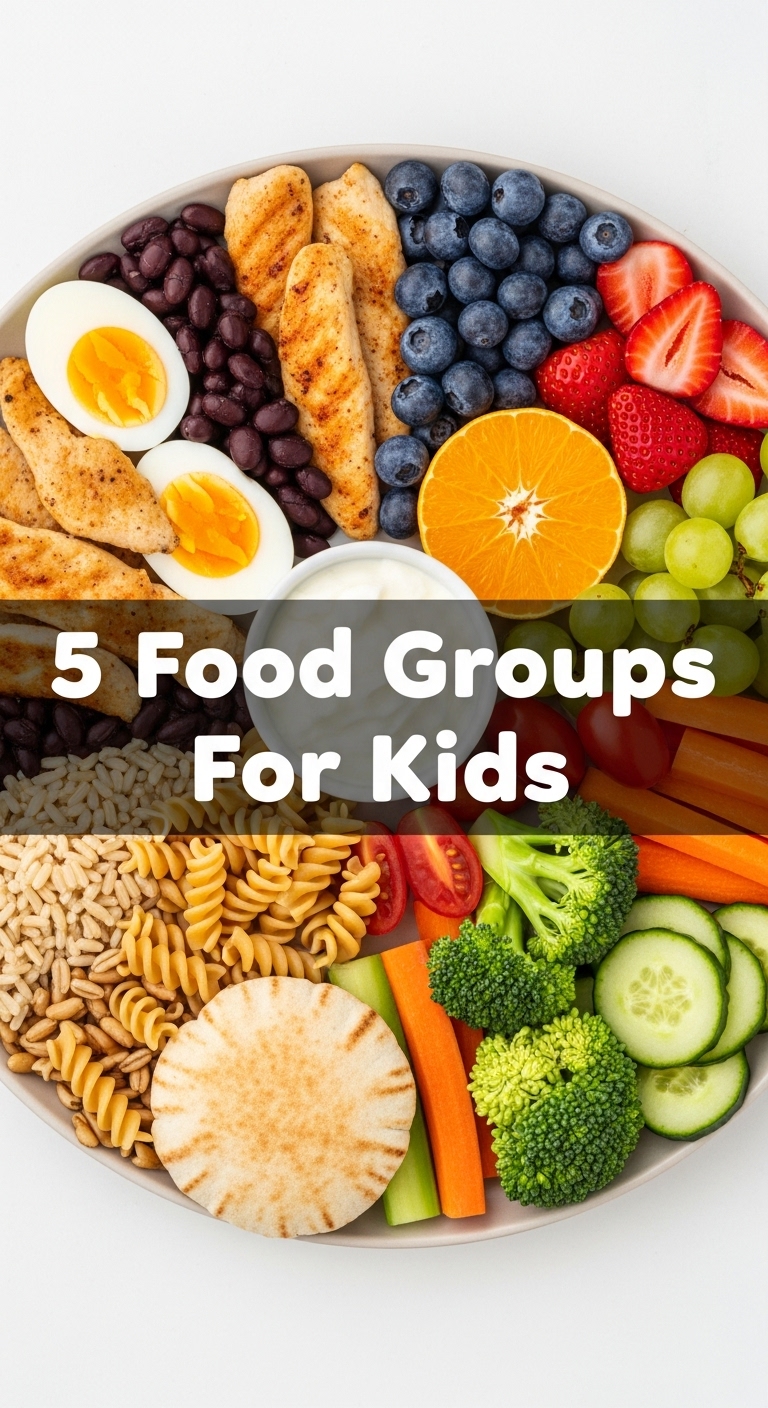
So, you’re looking at your kid’s plate, thinking, “Is this… actually helping them grow into a tiny human or just creating more laundry?” Same. Feeding small humans can feel like a high-stakes culinary game of Chutes and Ladders. You want them to be healthy, energetic, and maybe, just maybe, not fueled entirely by goldfish crackers. Good news, my friend! We’re about to demystify the “5 Food Groups for Kids” and turn meal planning from a chore into a surprisingly fun adventure.
Why This “Recipe for Healthy Kids” is Awesome
Okay, so it’s not a recipe for a lasagna (though we can chat about that later). This is a ‘recipe’ for understanding the building blocks of a healthy diet for your little ones, and honestly? It’s **idiot-proof**. Even if your main cooking skill is ordering takeout, you’ll nail this. It takes the guesswork out of “what should I feed them today?” and replaces it with a simple, colorful framework. Think of it as your secret weapon against the dreaded “I don’t like it!” syndrome (results may vary, I’m not a miracle worker, just a humble food enthusiast). Plus, understanding these groups helps *you* make better choices too. Win-win!
“Ingredients” You’ll Need
Here are your star players, your culinary Avengers, if you will. These are the 5 Food Groups, described in a way that might actually stick:
- Grains (The Energy Chargers): Think of these as the fuel for all that running, jumping, and occasional wall-climbing. We’re talking whole wheat bread, pasta, oats, rice, quinoa. Avoid the overly sugary stuff; we want sustained energy, not a sugar crash thirty minutes before bedtime.
- Protein (The Muscle Makers): These are the builders, the repair crew for growing bodies. Chicken, fish, lean beef, beans, lentils, eggs, nuts (if no allergies!), tofu. They help kids feel full and keep their engines humming along.
- Fruits (The Nature’s Candy): Sweet, juicy, and packed with good stuff! Apples, bananas, berries, oranges, grapes. Basically, anything that grew on a tree or bush and isn’t *too* complicated to peel. They’re great for a quick energy boost and loaded with vitamins.
- Vegetables (The Superhero Sidekicks): Oh, the mighty veggies! These are the unsung heroes of health. Broccoli, carrots, spinach, bell peppers, sweet potatoes. Don’t worry if your kid looks at broccoli like it’s a tiny alien invasion; we’ve got tricks for that. They’re packed with fiber and a rainbow of vitamins.
- Dairy (The Bone Boosters): For strong bones and teeth! Milk, yogurt, cheese. If dairy isn’t an option, fortified plant-based milks (almond, soy, oat) can step in, just make sure they’re doing the heavy lifting calcium-wise.
Step-by-Step Instructions: Assembling Your Masterpiece (Meals!)
Here’s how you actually put these “ingredients” together for a balanced plate:
- Pick Your Power Base: Start with a good serving of Grains and/or Protein. Think a small piece of chicken with some whole-wheat pasta, or a bowl of oatmeal. This provides the main energy and fullness.
- Add a Splash of Color (and Vitamins!): Now, pile on the Fruits and Vegetables. Aim for at least one from each group. A handful of berries and some sliced bell peppers make a great combo. Don’t be afraid to mix and match colors – it’s more appealing!
- Dairy on the Side (or Mixed In): Offer a glass of milk, a small yogurt, or a slice of cheese. Sometimes, cheese cubes are just the gateway food needed for a picky eater.
- Make it Fun and Kid-Friendly: Cut food into fun shapes, create a “rainbow plate,” or let them dip veggies into hummus. **Presentation is key, especially with tiny critics.** A plate that looks like a happy face is often more enticing than a pile of beige.
- Repeat, Vary, and Don’t Stress: The goal isn’t perfection at every meal, but balance over the day or week. If lunch was a bit lacking, make up for it at dinner or with a healthy snack. Variety is the spice of life, and also a good way to ensure they get all their nutrients.
Common Mistakes to Avoid
We’ve all been there, trust me. Learn from my culinary misadventures:
- Assuming “Healthy” Means “Gross”: Kids pick up on our vibes. If you treat spinach like it’s poison, they will too. Be enthusiastic!
- The “One-Bite Rule” Trap: While good in theory, forcing bites can create negative associations. Offer, encourage, but don’t turn meals into a battlefield. **Keep offering small portions of new foods repeatedly.** Persistence, not force, is your friend.
- Forgetting About Portion Sizes: Little tummies don’t need adult-sized portions. Start small, they can always ask for more. Overloading their plate can be overwhelming.
- Falling for “Kid Food” Marketing: Those brightly colored boxes promising “kid-friendly” usually mean “sugar-loaded.” Read labels, folks!
- Making it a Lecture, Not an Adventure: Don’t drone on about “nutrients.” Talk about how carrots help you see in the dark or how strong protein makes them for playing. Gamify it!
Alternatives & Substitutions
Life happens, and sometimes you’re out of bananas. No biggie!
- Dairy-Free? No Problem: If milk isn’t their jam (or allergy), fortified oat, almond, or soy milk are fantastic alternatives. Just double-check that calcium and Vitamin D content, **FYI**. Yogurt and cheese have plant-based dupes too, though some taste better than others, IMO.
- Picky with Veggies? Stealth Mode Activated: Blend spinach into smoothies (they won’t taste it, promise!), grate zucchini into pasta sauce, or mash sweet potato into almost anything. Roasting veggies often brings out their natural sweetness, making them more appealing.
- Grain Game Strong: Not a fan of brown rice? Try quinoa, couscous, or even whole-wheat tortillas. Variety is the key to keeping things interesting and nutritionally diverse.
- Protein Power Swaps: If chicken is on strike, eggs are a super versatile and quick protein. Lentils are amazing in soups or as veggie burgers. Peanut butter (if no allergies) on whole-wheat toast is a classic.
FAQ (Frequently Asked Questions)
- “My kid only eats mac and cheese. Help!” First, breathe. We’ve all been there. Try adding a tiny sprinkle of grated carrots to that mac and cheese. Or offer a small, separate side of fruit with it. Don’t give up on offering other foods, even if they’re not eaten. Exposure is key!
- “How much of each group should they eat?” Great question! It varies by age, but generally, think of the MyPlate guide: roughly half the plate fruits and veggies, a quarter protein, a quarter grains, and a dairy serving. Small, frequent meals and snacks are often better than three huge ones for kids.
- “Are snacks part of the food groups?” Absolutely! Snacks are mini-meals. Instead of processed goodies, aim for fruit, a handful of nuts, yogurt, or veggie sticks with hummus. **Snacks are prime opportunities to sneak in extra nutrients.**
- “What about sweets? Are they off-limits?” Nope! All foods fit in moderation. Denying treats entirely can make them more appealing. A small portion of dessert occasionally is fine. The key is *occasionally*, not every day.
- “My kid is a super picky eater. What do I do?” Keep offering, don’t pressure, and lead by example. Eat a variety of healthy foods yourself. Make meal times pleasant, not stressful. Sometimes, getting them involved in cooking or grocery shopping helps.
Final Thoughts
So there you have it! Your crash course in the 5 Food Groups for Kids. It’s not about being perfect, it’s about being consistent, creative, and cutting yourself some slack. Feeding kids is a marathon, not a sprint, and there will be days they eat nothing but air and wishes. But armed with this knowledge, you’re well on your way to raising healthy, happy, and well-nourished tiny humans. Now go forth and create some colorful, nutritious (and hopefully eaten!) plates. You’ve earned it!