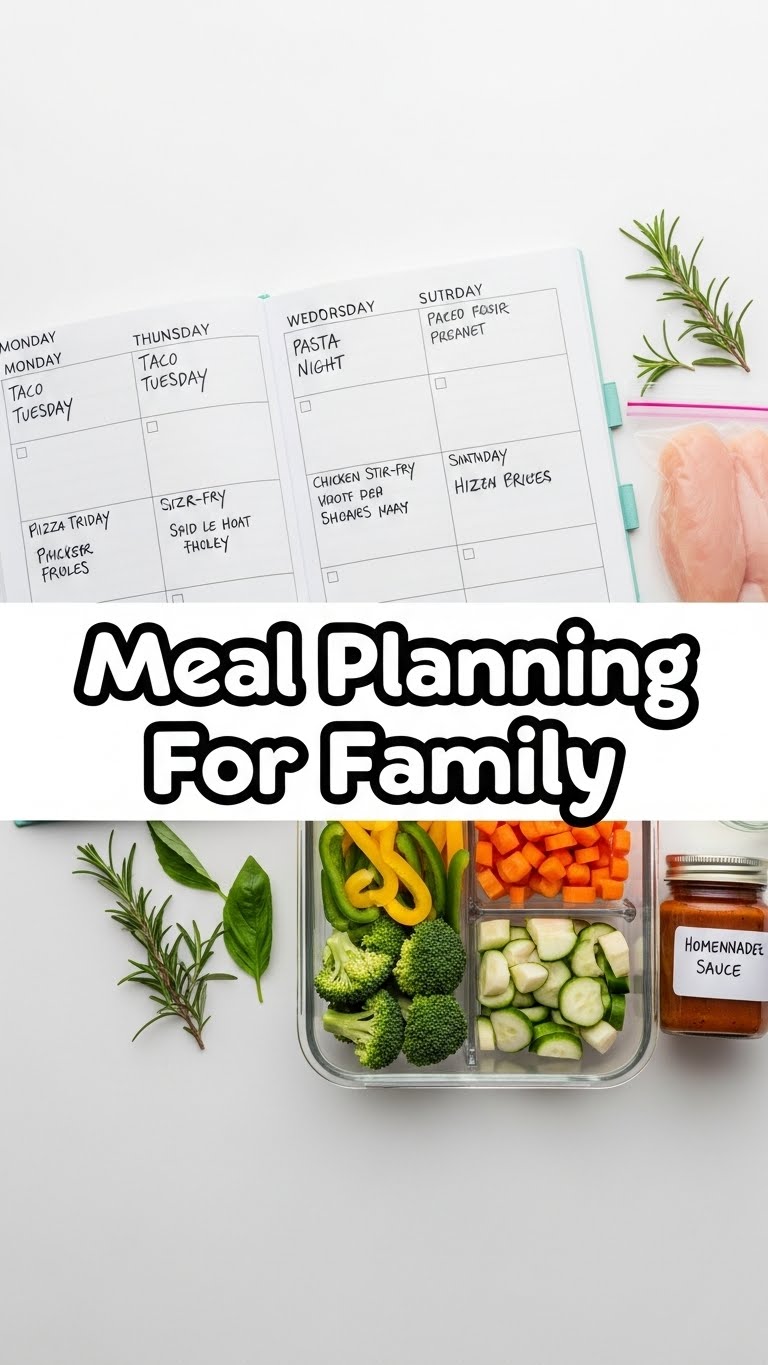
So, another Tuesday rolls around, and you’re staring into the abyss of your fridge, wondering if that half-eaten container of hummus from last week counts as “dinner”? And then the kids appear, chanting “WHAT’S FOR DINNER?!” like a tiny, hungry mob? Yeah, been there, bought the T-shirt, probably stained it with whatever last-minute takeout I panicked and ordered. But what if I told you there’s a way to silence the mob, impress yourself, and maybe even save enough cash for that extra large latte? Enter: the glorious art of family meal planning. It’s not just a skill; it’s a superpower.
Why This “Recipe” for Meal Planning is Awesome
Forget bland, boring, regimented meal plans. This isn’t about becoming a culinary robot. This “recipe” for family meal planning is awesome because it’s your secret weapon against the dreaded dinner-time meltdown. We’re talking less stress, more deliciousness, and actual money saved (which, let’s be real, is just extra latte money). It’s practically idiot-proof – even I, a seasoned procrastinator, manage to stick to it most weeks. Plus, you’ll actually *use* what’s in your fridge, which feels like winning a tiny, domestic lottery every time. Say goodbye to food waste and hello to a calmer you.
Ingredients You’ll Need for Successful Meal Planning
Alright, gather your mental mise en place. This isn’t about chopping veggies (yet!), but setting yourself up for success. Think of these as your planning pantry staples:
- A Brain (preferably caffeinated): For thinking up yummy ideas and remembering what’s in the back of your freezer.
- A Calendar (digital or old-school paper): Because knowing when little Timmy has soccer practice or if you’re working late is crucial.
- A Dash of Patience: Especially when dealing with picky eaters. It’s a marathon, not a sprint, friend.
- A Sprinkle of Creativity: To keep things interesting and avoid eating chicken nuggets every night (unless that’s your jam, no judgment here!).
- A Good Playlist: Optional, but highly recommended for setting the mood while you plan.
- A Sense of Humor: Because sometimes plans go awry, and that’s okay! Laugh it off and order pizza.
Step-by-Step Instructions: Your Meal Planning Blueprint
Ready to turn that chaotic kitchen energy into calm, delicious vibes? Let’s do this:
- Take Inventory (Your Fridge & Pantry Recon Mission): First things first, open those cupboard doors and peer into the depths of your freezer. What do you *actually* have? Make a quick list of ingredients that need using up. This saves money and prevents food waste!
- Check Your Schedule (The Reality Check): Grab that calendar. What are your busiest nights? When do you have more time to cook? Are there any events that mean you’ll be eating out or need a super quick meal? Be realistic, not idealistic.
- Brainstorm & Get Family Input (The Democracy of Dinner): This is where the magic happens. Think about meals your family loves. Flip through cookbooks, scroll Pinterest, or ask your fam, “What sounds good this week?” Jot down 5-7 dinner ideas, keeping in mind your inventory and schedule. Don’t forget breakfast and lunch ideas, especially if they need prep.
- Assign Meals to Days (The Tetris of Taste): Now, slot those meals into your week. Busy night? Assign that super simple pasta or leftover night. More time on a Sunday? Perfect for that slow-cooked roast. Be flexible, but try to assign each day a main meal.
- Make Your Grocery List (The Holy Grail): Based on your planned meals, write down *everything* you need to buy. Cross-reference with your inventory so you don’t buy duplicates. Organize it by store section (produce, dairy, pantry, etc.) to make your shopping trip a breeze.
- Prep Like a Boss (Your Future Self Will Thank You): Pick one day (often the weekend) to do some light prep. Chop veggies, cook a batch of grains, marinate some chicken, or even make a big batch of soup. This is where you really shave off time during the week.
Common Mistakes to Avoid
Even the best chefs burn toast sometimes, right? Here’s what *not* to do when meal planning:
- Over-Planning: Thinking you need a gourmet meal for every single night. Rookie mistake! Leave room for leftovers, quick fixes, and even a “whoops, let’s order pizza” night.
- Ignoring Your Calendar: Planning a 2-hour stew on a night you get home at 7 PM? Bless your heart. Be real about your time.
- Forgetting About Snacks and Lunches: Dinners are great, but the hangry monster can strike at any time. Plan for those too, especially if you have little snack vultures running around.
- Not Being Flexible: Life happens. If your plan goes sideways, don’t throw in the towel. Just pivot! Your meal plan is a guide, not a rigid set of rules from the culinary police.
- Buying Things You Don’t Need: That “specialty” ingredient for one recipe that you’ll never use again? Unless you’re feeling adventurous, stick to basics.
Alternatives & Substitutions
Just like you can swap out broccoli for cauliflower, you can tweak your meal planning approach to fit your vibe:
- Theme Nights: Taco Tuesday, Pasta Thursday, Meatless Monday. It makes planning easier because half the decision is already made! I personally love a “Breakfast for Dinner” night – it’s always a hit and super easy.
- Flexible Planning: Instead of assigning specific meals to specific days, just have a list of 7 meals and pick one each day based on your mood or time. It’s less rigid, which is great if you’re a spontaneous soul.
- App-tastic Planning: There are tons of apps out there (Paprika, Mealime, Plan to Eat) that can help you organize recipes, create shopping lists, and track pantry items. FYI, some are truly life-changers!
- “Cook Once, Eat Twice” Mentality: Double a recipe, and freeze half or plan to eat leftovers for lunch the next day. It’s efficiency at its finest.
FAQ (Frequently Asked Questions)
- I have super picky eaters. How do I even start? Oh, the joy! Start small. Plan one new “experimental” meal a week alongside a known crowd-pleaser. Or try deconstructed meals where components are separate. IMO, involving them in the planning process (even just letting them pick one meal) helps.
- This sounds like a lot of work. Is it really worth the time? Girl, yes! The 30 minutes to an hour you spend planning will save you *hours* of stress, last-minute grocery runs, and decision fatigue during the week. Trust me, it pays off.
- What if I want to be spontaneous? Does meal planning kill spontaneity? Not at all! Think of your meal plan as a safety net. If you decide to go out or order in, just bump that planned meal to another day. It actually *frees* you up to be spontaneous because you’re not constantly stressing about what to cook.
- How often should I plan? Weekly? Monthly? Most people find weekly planning works best. It’s frequent enough to stay current with events and cravings, but not so often that it feels like a chore. Monthly can be overwhelming unless you’re a super planner!
- What about snacks and breakfast? Do I need to plan those too? For sanity’s sake, yes! Even if it’s just a general idea (e.g., “fruit and yogurt,” “oatmeal,” “peanut butter toast”), having a rough plan for quick breakfasts and readily available snacks prevents “I’m starving!” emergencies.
Final Thoughts
So there you have it, your blueprint for conquering the dinner dilemma and bringing a little more calm (and a lot more deliciousness) into your family’s week. It might feel a bit clunky at first, like learning a new dance move, but soon you’ll be gracefully gliding through your kitchen like a seasoned pro. The biggest takeaway? Start small, be kind to yourself, and celebrate the wins (like not ordering takeout three nights in a row!). Now go impress someone—or yourself—with your new culinary *and* organizational skills. You’ve earned it!