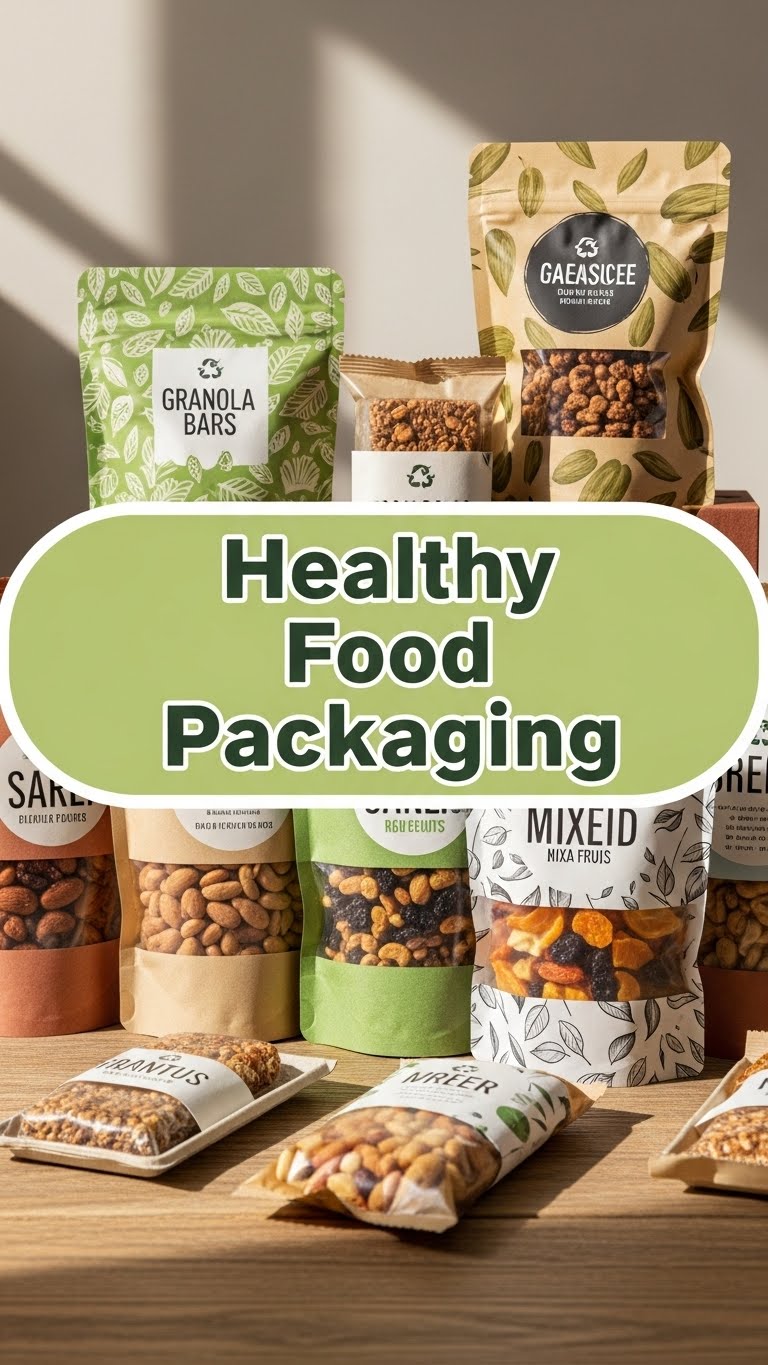
So you’ve just whipped up a masterpiece in the kitchen, right? Your gourmet creation is cooling, smelling amazing, and now it’s time to stash those leftovers. But wait… what are you putting it in? Don’t tell me it’s that dodgy plastic container from your college days! We need a recipe for *that*!
Why This Recipe is Awesome
Because nobody wants their delicious, organic, artisanal kale salad tasting like yesterday’s takeout box, am I right? This ‘recipe’ isn’t for eating, my friend, it’s for *storing*! We’re talking about upgrading your food’s temporary digs so it stays fresh, safe, and free from any weird chemical roommates.
It’s all about making smart choices that benefit your health and, let’s be honest, make your fridge look a whole lot nicer. Plus, you’ll be doing a little dance for Mother Earth. **It’s idiot-proof** – even I’ve managed to ditch the flimsy plastic and embrace the good stuff.
Ingredients You’ll Need
Think of these as your essential tools for a healthier food storage system:
- Glass Containers: Your kitchen’s MVP. Sturdy, see-through, and doesn’t play hide-and-seek with chemicals. Plus, oven and microwave friendly!
- Stainless Steel Tiffin Boxes/Containers: Lunchbox heroes! Great for on-the-go, super durable, and surprisingly sleek.
- Silicone Bags/Covers: Flexible, reusable, and surprisingly cool. Think fancy Ziploc but, like, infinitely better and freezer-safe.
- Beeswax Wraps: The eco-friendly cling film. Kinda sticky, totally natural, and smells faintly like honey (bonus!). Perfect for cheeses, bread, and produce.
- A Dash of Common Sense: (Optional, but highly recommended) For knowing what goes where.
Step-by-Step Instructions
- Purge the Plastic Past: Go full Marie Kondo on your old, stained plastic containers. If it’s scratched, cloudy, smells like last week’s curry, or feels suspiciously flimsy, it’s gotta go. **Out with the old, in with the non-toxic new!**
- Cleanse Your New Crew: Even brand-new stuff needs a good wash. Give your glass, steel, and silicone a bubbly bath before their big debut. You want them sparkling and ready for action!
- Matchmaker, Matchmaker: Learn what each ‘ingredient’ is best for. Glass for oven-to-table leftovers, steel for packed lunches, silicone for freezing liquids, and beeswax for keeping your avocado half from browning. **Don’t force a square peg into a round hole!**
- Label Like a Pro: If you’re fancy (or forgetful), label your containers with dates and contents. No more mystery meat or “is this salsa or chili?” in the fridge, folks!
- Store Smart: Keep lids with their bases. (I know, mind-blowing, right?) An organized pantry or cupboard makes choosing the right packaging a breeze and saves your sanity during those post-dinner clean-up sprints.
Common Mistakes to Avoid
We’ve all been there, but let’s learn from our past packaging faux pas:
- The “One More Use” Myth: That plastic container that’s been through the microwave too many times and looks suspiciously warped? Yeah, no. **Don’t push your luck with compromised plastic; it’s just not worth it.**
- Ignoring Temperature Warnings: Glass is great, but rapid temperature changes can cause issues. Don’t take it straight from the freezer to a screaming hot oven, unless you like kitchen fireworks.
- Being a Lid-Hoarder: Keeping lids that don’t have matching containers is like keeping socks with no partners. Let them go. **Declutter your lid drawer; it’s therapeutic.**
- Forgetting to Wash Properly: This one should be obvious, but a quick rinse isn’t always enough. Make sure everything is properly cleaned before storing food. **Cross-contamination is no joke!**
Alternatives & Substitutions
Life happens, and sometimes you need to improvise. Here are a few swaps and tricks:
- If you’re still weaning off plastic: Opt for **BPA-free plastic** (check the labels!). It’s not ideal for heating, but it’s a step up. Just avoid microwaving or heating food in it.
- No beeswax wraps? Use a clean kitchen towel or an inverted plate to cover bowls. Old-school, but it works!
- Repurpose Glass Jars: Pickling jars, jam jars, even fancy pasta sauce jars make excellent storage. **Wash them thoroughly** and remove labels for a chic, eco-friendly look.
- Skip the cling wrap: For fruits and veggies, a damp cloth or a silicone cover often does the trick better and without the plastic waste.
FAQ (Frequently Asked Questions)
- “Is all plastic bad? Like, *all* of it?” Well, technically no, but for food storage, it’s generally best to minimize contact with hot or oily foods, as chemicals can leach out. Think of it as a last resort, not a first choice, especially for long-term storage.
- “My glass containers are heavy! What’s the deal?” Yeah, they’re not feather-light, but that’s what makes them so durable and awesome! It’s a small trade-off for healthier, long-lasting storage, IMO.
- “How do I clean beeswax wraps?” Easy peasy! Wipe them down with cool water and a mild soap (if needed), then air dry. **Never use hot water**, you’ll melt the wax!
- “Can I microwave food in stainless steel?” Absolutely not! Metal and microwaves are sworn enemies. Unless you want sparks and a ruined appliance, stick to glass or ceramic for microwave heating.
- “Are silicone bags really airtight?” Many are, yes! Look for those with a good seal or slider bar. They’re fantastic for freezing and keeping things fresh without plastic.
- “What’s the most *cost-effective* way to switch?” Start small! Replace a few key items at a time, or repurpose glass jars you already have. It’s a marathon, not a sprint, my friend.
Final Thoughts
See? Who said healthy food packaging had to be boring? You’re not just storing food; you’re actively making a healthier choice for yourself and the planet (fancy, right?). So go impress someone—or yourself—with your new savvy storage skills. You’ve earned it! Now, about that delicious food you just packaged…