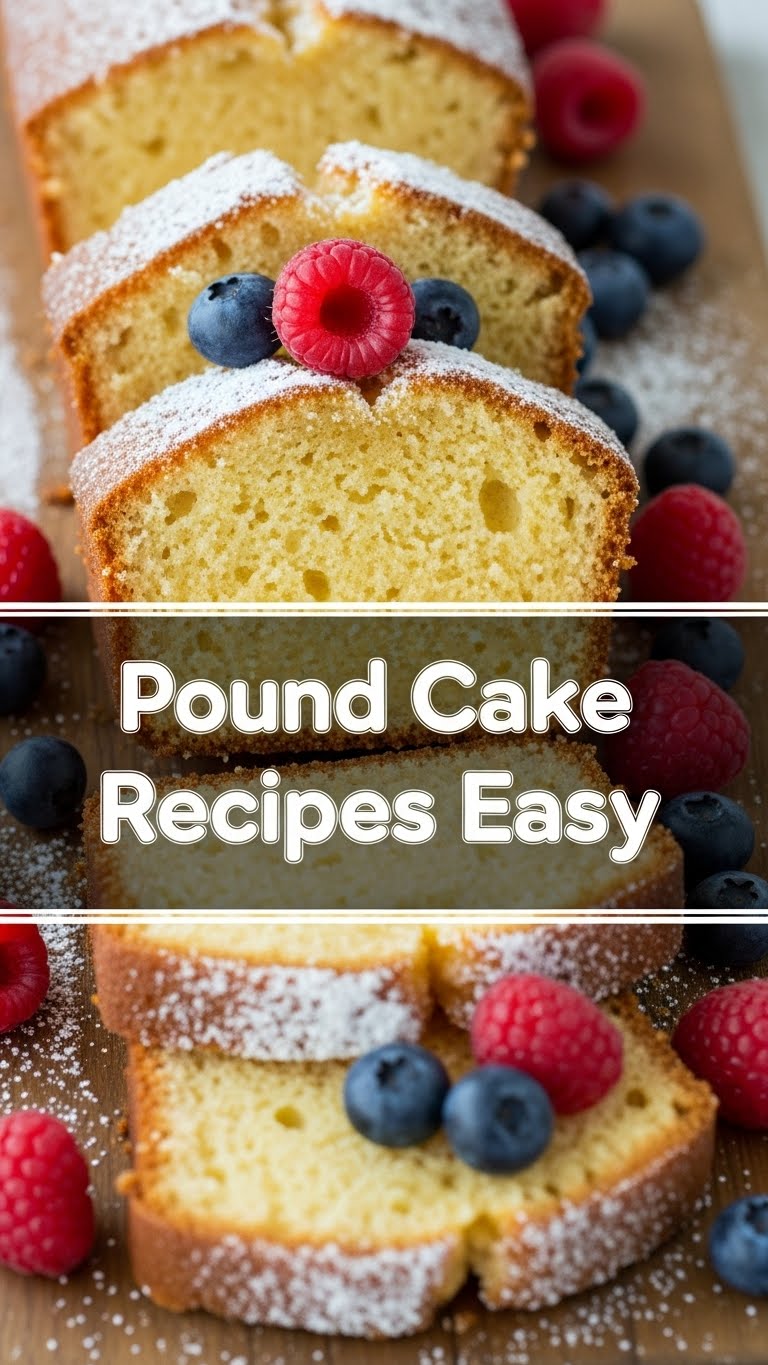
So you’re craving something ridiculously tasty but the thought of spending forever in the kitchen makes you want to curl up and cry? Same, friend, same. Good news: we’re diving into the wonderful world of pound cake, and this recipe is so easy, your dog could probably supervise (just kidding, maybe don’t let Fido anywhere near the oven). It’s classic, it’s buttery, and it’s about to become your new best friend.
Why This Recipe is Awesome
Okay, let’s get real. Why bother with this pound cake recipe when the internet is overflowing with them? Because this one is practically idiot-proof. Seriously, even I, the queen of “oops, did I just burn water?”, didn’t mess it up. It requires minimal fuss, uses ingredients you probably already have lying around, and delivers maximum flavor. You get that perfectly dense, moist crumb without having to perform culinary gymnastics. Plus, it’s incredibly versatile. Think of it as a delicious blank canvas for whatever mood you’re in. It’s a guaranteed crowd-pleaser and a serious ego booster. Win-win, IMO.
Ingredients You’ll Need
Get ready for a super short shopping list (or, more likely, a pantry raid).
- 1 cup (2 sticks) Unsalted Butter: Softened. And I mean softened, not melted. Leave it out on the counter for a bit. This is crucial!
- 1 ½ cups Granulated Sugar: Because life’s too short for unsweetened baked goods.
- 4 Large Eggs: Room temperature, please! They emulsify better. It’s science, or something.
- 2 cups All-Purpose Flour: Sifted, if you’re feeling fancy. If not, just give it a good whisk.
- 1 teaspoon Baking Powder: For a little lift, though pound cake is supposed to be dense.
- ½ teaspoon Salt: Balances all that sweetness. Don’t skip it!
- 1 teaspoon Vanilla Extract: The good stuff. Don’t cheap out here; it makes a difference.
- ¼ cup Milk or Buttermilk: Room temperature. Adds a lovely tenderness.
Step-by-Step Instructions
Alright, apron on, good tunes playing, let’s do this!
- Prep Your Pan: Grab a 9×5 inch loaf pan. Grease it up generously with butter or baking spray, then lightly flour it. Seriously, don’t skimp on this step unless you want to wrestle your cake out later.
- Preheat the Oven: Set your oven to 325°F (160°C). Pound cake bakes best at a slightly lower temperature to get that perfect crumb without drying out.
- Cream the Butter and Sugar: In a large bowl, using an electric mixer, beat the softened butter until it’s light and fluffy (about 2-3 minutes). Gradually add the sugar and continue beating until the mixture is pale and super creamy. Scrape down the sides of the bowl often!
- Add Eggs, One by One: Crack in the eggs, one at a time, beating well after each addition until fully incorporated. Don’t rush this! The mixture might look a little curdled at first, but keep beating.
- Combine Dry Ingredients: In a separate bowl, whisk together the flour, baking powder, and salt.
- Alternate Dry and Wet: With the mixer on low speed, add about a third of the flour mixture to the butter mixture, mixing just until combined. Then add half of the milk/buttermilk, mixing until just incorporated. Repeat with another third of the flour, then the remaining milk, and finish with the last of the flour. Mix only until just combined! Overmixing develops gluten and makes your cake tough.
- Stir in Vanilla: Add the vanilla extract and give it one last gentle mix by hand.
- Bake Time! Pour the batter into your prepared loaf pan and smooth the top. Bake for about 60-70 minutes, or until a wooden skewer inserted into the center comes out clean. If the top starts to brown too much, you can loosely tent it with foil.
- Cool Down: Let the cake cool in the pan on a wire rack for about 15-20 minutes before carefully inverting it onto the rack to cool completely.
Common Mistakes to Avoid
Nobody’s perfect, but we can try to avoid these rookie blunders:
- Using Cold Ingredients: Seriously, room temp everything (butter, eggs, milk) is your best friend. It helps create a smooth, emulsified batter and a tender cake. Cold ingredients just make the batter grumpy.
- Overmixing Your Batter: This is probably the biggest pound cake no-no. Once you add the flour, mix just until combined. Stop as soon as you see no more streaks of flour! Overmixing develops gluten, which leads to a tough, dry cake. Nobody wants a cake that doubles as a hockey puck.
- Opening the Oven Door Too Soon: Patience, young grasshopper! Opening the door repeatedly lets cold air in, which can cause your cake to sink in the middle. Try not to peek until at least 45 minutes into baking.
- Not Greasing and Flourishing Your Pan Properly: I know, it’s a chore. But if you want your beautifully baked cake to actually *come out* of the pan, do it right.
- Impatience with Cooling: Don’t try to slice into that warm cake the second it comes out of the oven. Let it cool! The cake continues to set as it cools, and slicing too early can lead to crumbling.
Alternatives & Substitutions
Feeling adventurous? Here are some fun tweaks:
- Lemon Zest Pound Cake: Add the zest of 1-2 lemons to the butter and sugar mixture for a bright, citrusy flavor. Delicious with a simple lemon glaze (powdered sugar + lemon juice).
- Almond Extract: Swap out half of the vanilla extract for almond extract for a lovely nutty flavor. Goes great with a sprinkle of sliced almonds on top.
- Different Pan Shapes: This recipe works great in a Bundt pan too! Just be sure to grease and flour it even more meticulously, and baking time might increase slightly (65-80 minutes).
- Glaze It Up: A simple glaze of powdered sugar and a splash of milk or lemon juice is always a winner. Or go wild with a chocolate ganache drizzle!
- Buttermilk Boost: If you have buttermilk, use it instead of regular milk! It adds an extra layer of tenderness and a slight tang that is *chef’s kiss*.
FAQ (Frequently Asked Questions)
- Can I use margarine instead of butter? Well, technically yes, but why hurt your soul like that? For a true, rich pound cake, **real butter is non-negotiable**. It contributes to flavor, texture, and overall happiness.
- My cake is dry! What happened?! Okay, deep breaths. You probably baked it a little too long, or maybe your flour was having a ‘thirsty’ day. Next time, keep a closer eye on it and pull it out as soon as that skewer comes clean. An oven thermometer can also be your BFF, FYI.
- How long does pound cake last? Covered tightly at room temperature, it’ll be delightful for 3-4 days. In the fridge, it can last up to a week. It also freezes beautifully! Wrap slices (or the whole loaf) in plastic wrap, then foil, and freeze for up to 3 months.
- Can I add fruit or chocolate chips? Absolutely! Gently fold in about 1 cup of fresh berries (tossed lightly in a tablespoon of flour to prevent sinking) or chocolate chips at the very end.
- What if I don’t have baking powder? While a traditional pound cake relies on air beaten into the butter and eggs for most of its rise, the baking powder here gives a little extra lift. If you skip it, your cake will be even denser, which isn’t necessarily a bad thing for pound cake! Just make sure your butter and eggs are super well-creamed.
- Do I really need to sift the flour? Not strictly *necessary* if you’re feeling lazy, but sifting helps aerate the flour and prevents lumps, contributing to a lighter texture. If you don’t sift, at least whisk it really well!
Final Thoughts
And there you have it, your very own, ridiculously easy, and utterly delicious pound cake! This classic beauty is perfect for breakfast, dessert, or, let’s be honest, a midnight snack. Slice it thick, toast it lightly, or just devour it plain. Now go impress someone—or yourself—with your new culinary skills. You’ve earned it!