Okay, so you’ve heard the horror stories, right? Dry, cardboard turkey that even gravy can’t save. Ugh. But what if I told you we could banish those dry bird blues forever? And honestly, it’s so easy you’ll wonder why you ever stressed about it. Get ready to cook a turkey so moist, so tender, it practically melts in your mouth. You’re welcome!
Why This Recipe is Awesome
Why bother with *this* recipe, you ask? Because it’s practically magic! Seriously, it takes a majestic bird that often ends up drier than a desert boot and transforms it into a juicy, flavor-packed masterpiece. It’s so foolproof, even your cat could probably supervise (assuming your cat cares about moist poultry). Plus, no complicated brining tanks or wrestling a slippery bird into a cooler. Just pure, unadulterated moist turkey joy. It’s truly idiot-proof, and trust me, I’ve tested that hypothesis.
Ingredients You’ll Need
- 1 whole turkey (the star of the show, obviously) – size depends on your crowd, but let’s say 12-15 lbs for a decent spread.
- 1/2 cup unsalted butter, softened (your secret weapon for moisture, don’t skimp!)
- 2-3 cloves garlic, minced (because everything is better with garlic, fight me)
- 1 tbsp fresh rosemary, chopped (or dried, if you’re in a pinch – no judgment)
- 1 tbsp fresh thyme, chopped (ditto for dried)
- 1 tsp salt (kosher is best, but regular fine salt works)
- 1/2 tsp black pepper (freshly ground, if you’re feeling fancy)
- 1 large onion, quartered (for the cavity, adds aroma)
- 1-2 lemons, halved (more cavity magic)
- A few sprigs of fresh herbs (extra rosemary/thyme, for the cavity too)
- 2 cups chicken broth or water (for the bottom of the pan – helps with steam and gravy later!)
Step-by-Step Instructions
Get Prepped: First things first, get that turkey out of its wrapper, remove the neck and giblets (seriously, don’t forget these!), and pat it *super dry* with paper towels. Like, really dry. This is crucial for crispy skin! Let it sit at room temp for about an hour if you have time. Don’t skip this; a dry surface leads to crispier skin.
Compound Butter Time: While your turkey’s chilling, mix that softened butter with minced garlic, chopped rosemary, thyme, salt, and pepper in a small bowl. Mash it all together. This is your flavor bomb, ready to do some heavy lifting.
Operation Butter-Under-Skin: Now for the fun part! Gently separate the skin from the breast meat using your fingers. Be brave and work your hand under there! Push about two-thirds of your compound butter *under* the skin, spreading it evenly over the breast. Rub the remaining butter all over the outside of the turkey. This ensures flavor and moisture from the inside out.
Stuff the Cavity (Gently!): Pop those onion quarters, lemon halves, and extra herb sprigs into the turkey’s cavity. Don’t overstuff; we’re going for aroma and subtle flavor, not a full belly. A little space allows for better airflow.
Pan Prep: Place the turkey on a rack in a large roasting pan. Pour about 2 cups of chicken broth or water into the bottom of the pan. This creates steam and keeps things moist, preventing your pan drippings from burning.
Roast Away!: Preheat your oven to a scorching 425°F (220°C). Roast the turkey at this high temperature for 30 minutes to get that skin nice and golden. Then, reduce the oven temperature to 350°F (175°C) and continue roasting. High heat first, then gentle warmth, is the secret.
Monitor & Tent: Start checking the internal temperature with a meat thermometer in the thickest part of the thigh (avoiding bone) after about 2-2.5 hours. Once it hits 160°F (71°C), tent the turkey loosely with foil to prevent over-browning while it finishes cooking. This protects the skin and keeps juices in.
The Grand Finale: Continue roasting until the thermometer reads 165°F (74°C). The total cooking time will vary, but usually 3-4 hours for a 12-15 lb bird. Remember, the temp will rise a bit after it leaves the oven.
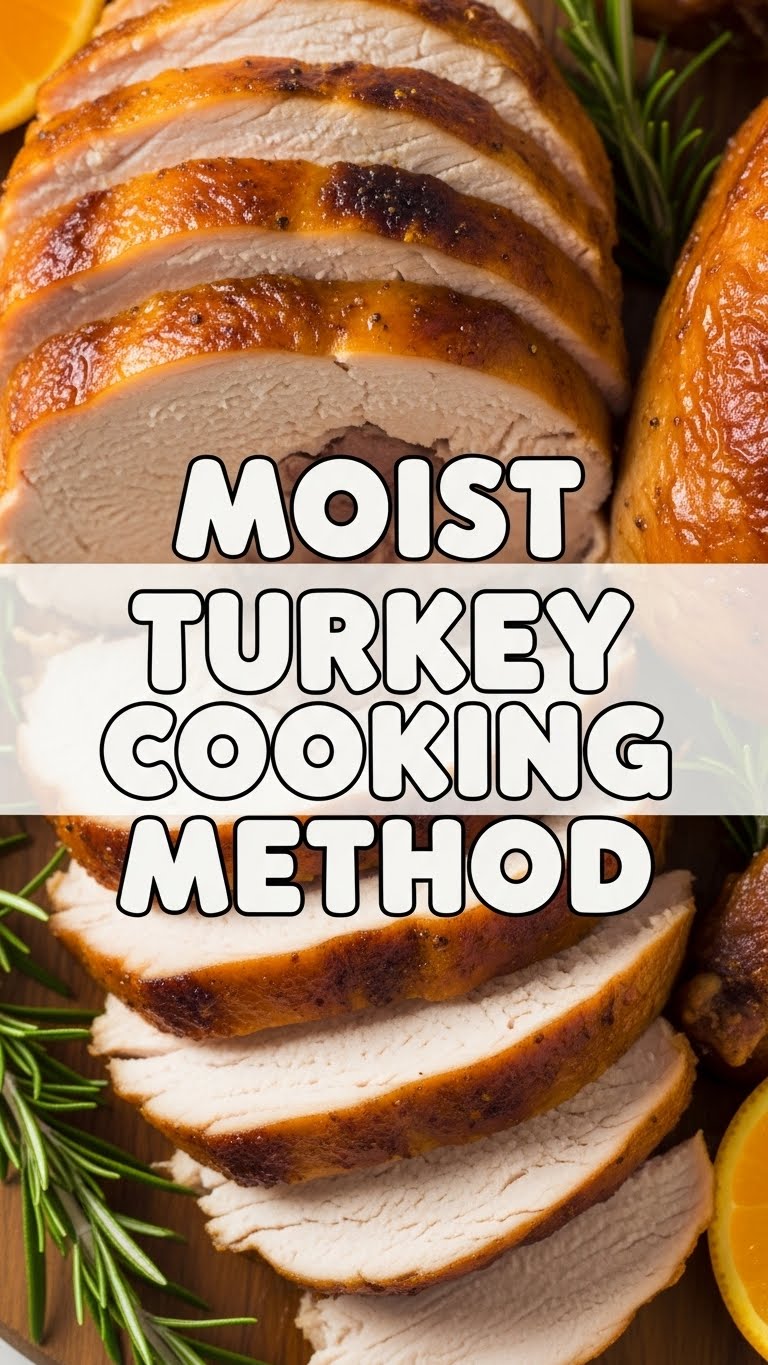
Rest, My Friend, Rest: This is perhaps the most important step for juiciness. Remove the turkey from the oven, keep it tented with foil, and let it rest for at least 20-30 minutes (even up to an hour for larger birds) before carving. Juices redistribute, making every slice tender and moist. Trust me on this, it’s a game-changer!
Common Mistakes to Avoid
- Forgetting to remove the giblets: Seriously, who wants a surprise bag of organs mid-carve? Not you. Always check the cavity!
- Not patting the turkey dry: You want crispy skin, right? Moisture is the enemy of crispy skin. Just say no to soggy. It takes an extra minute, but it’s worth it.
- Skipping the compound butter under the skin: This isn’t just a suggestion; it’s a *commandment*. It’s your personal insurance policy against dryness. Don’t be shy with that butter!
- Overcooking it: The absolute cardinal sin! Invest in a good meat thermometer. 165°F in the thigh, and you’re DONE. No higher! Every degree past that is a step towards dry-ville.
- Carving immediately: Patience, grasshopper. Cutting into it too soon lets all those beautiful juices run out onto your cutting board, leaving you with—you guessed it—dry turkey. Don’t be that person.
Alternatives & Substitutions
- Herbs: Not a fan of rosemary and thyme? Try sage, marjoram, or even a pre-made poultry seasoning blend. Fresh herbs give a brighter flavor, but dried will do the job in a pinch. Go with what you love!
- Butter: Can you use olive oil? Sure, but you’ll miss out on some of that buttery richness and incredible browning. IMO, butter is king here for both flavor and moisture.
- Citrus: No lemons? An orange or even some apple slices in the cavity can add lovely aromatics. Just make sure whatever you put in there is food-safe and won’t burn.
- Roasting Pan Liquids: Chicken broth is awesome, but white wine, apple cider, or just plain water work too. The goal is steam and flavor for potential gravy, so use what you have!
FAQ (Frequently Asked Questions)
- Do I really need to rest the turkey? YES, for the love of all that is moist and delicious! You wouldn’t run a marathon and then immediately try to do calculus, would you? Your turkey needs to chill out after its hot oven adventure. It’s non-negotiable!
- What if my turkey skin is getting too dark? Easy fix! Just tent it loosely with foil. It’ll keep cooking underneath without burning the skin. It’s like a little hat for your bird!
- Can I stuff the turkey with actual stuffing? You *can*, but for food safety, the stuffing needs to reach 165°F too, which often means an overcooked turkey. My advice? Cook the stuffing separately. It’s less hassle and a safer bet for a truly moist bird.
- My turkey isn’t browning properly, help! Make sure your oven is properly preheated, and don’t be afraid to crank up the heat for the first 30 minutes like we discussed. If it’s still pale, try basting with some of the pan juices (though our butter method usually negates the need for constant basting!).
- Can I use a smaller turkey breast instead of a whole bird? Absolutely! The principles are the same: compound butter, high initial heat then lower, and *definitely* rest it. Just adjust cooking times down significantly. FYI, this method works wonders for chicken too!
Final Thoughts
See? That wasn’t so scary, was it? You’ve just unlocked the secret to a perfectly moist, ridiculously flavorful turkey, without turning your kitchen into a science lab. Now go impress someone—or yourself—with your new culinary skills. You’ve earned it! And hey, don’t forget to save those pan drippings for some killer gravy. Happy cooking!