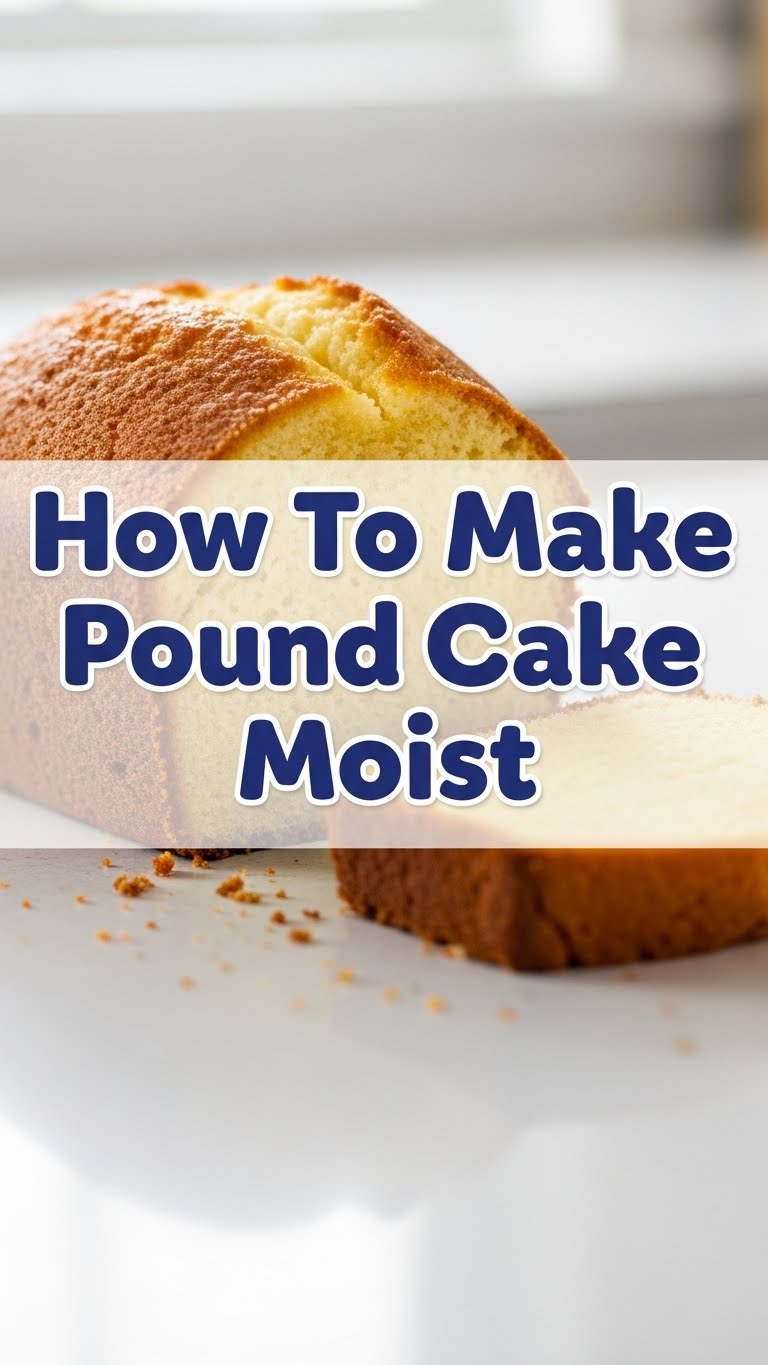
So you’ve had those dry, crumbly pound cakes that taste like regret, right? Yeah, we’ve all been there. You bite into what you *think* will be a cloud of buttery goodness, only to find yourself chewing on a beige sponge that’s seen better days. But what if I told you we could banish “dry” from our pound cake vocabulary forever?
Get ready, my friend, because we’re about to dive into the secrets of a pound cake so moist, so tender, it’ll make you question every other pound cake you’ve ever known. And yes, it’s totally achievable, even if your current baking motto is “if it doesn’t come from a box, I’m doomed.”
Why This Recipe is Awesome
Because who wants a cake that tastes like sawdust? Not me, and certainly not you! This recipe isn’t just about baking a cake; it’s about performing a minor miracle of moisture. It’s basically a magic trick for a velvety crumb that stays delightful for days. Plus, it’s so straightforward, it’s practically idiot-proof. Seriously, if I didn’t mess it up, you’re golden. **No complex techniques, just pure, unadulterated moist cake joy.**
Ingredients You’ll Need
Gather ’round, butter-lovers! Here’s your simple shopping list for pound cake perfection:
- 1 cup (2 sticks) Unsalted Butter: The good stuff. Full-fat, unsalted, and most importantly, at room temperature. We’re talking soft, but not melty. This is crucial for creaming!
- 2 cups Granulated Sugar: Sweetness, obviously. But also a surprising key player in keeping things moist and tender.
- 4 Large Eggs: Also at room temperature! Seriously, don’t skip this. Cold eggs can make your batter curdle.
- 3 cups All-Purpose Flour: The backbone of our cake. No fancy stuff needed, just your standard AP.
- 1 teaspoon Baking Powder: Just a little lift, because we want it light, not dense like a brick.
- 1/2 teaspoon Salt: Balances the sweetness and enhances all those lovely flavors.
- 1 cup Heavy Cream (or Full-Fat Sour Cream/Greek Yogurt): OUR SECRET WEAPON! This is where that luscious, velvety crumb and incredible moisture truly come from. Don’t skimp!
- 2 teaspoons Vanilla Extract: Use the good stuff, please. It makes a difference.
Step-by-Step Instructions
Alright, apron on? Let’s get this party started!
- Preheat & Prep: Get that oven fired up to 325°F (160°C). Grab a 9×5-inch loaf pan or a 10-cup Bundt pan. **Generously butter and flour it.** Seriously, be thorough. Nothing’s sadder than a stuck cake.
- Cream Butter & Sugar: In a large bowl, using an electric mixer, beat the room-temperature butter and sugar together on medium-high speed. Keep going until the mixture is light, fluffy, and pale in color (about 3-5 minutes). This step is where you incorporate air, which means a lighter cake.
- Add Eggs: Add the eggs one at a time, beating well after each addition. Make sure each egg is fully incorporated before adding the next. Scrape down the sides of the bowl as needed.
- Whisk Dry Ingredients: In a separate medium bowl, whisk together the flour, baking powder, and salt.
- Alternate Wet & Dry: Now for the magic! With the mixer on low speed, add about a third of the flour mixture to the butter mixture, mixing just until combined. Then, pour in half of the heavy cream and mix. Repeat with another third of the flour, the remaining cream, and finally, the last third of the flour. **Mix *just until* no dry streaks remain.** Don’t overmix! Overmixing develops gluten, leading to a tough, dry cake.
- Vanilla Time: Stir in the vanilla extract until fully incorporated. Give it a good sniff; smells good, right?
- Bake It Up: Pour the batter into your prepared pan and smooth the top with a spatula. Pop it into your preheated oven. Bake for 60-75 minutes for a loaf pan, or 70-90 minutes for a Bundt pan.
- Check for Doneness: How do you know it’s ready? Insert a wooden skewer or toothpick into the center of the cake. It should come out with a few moist crumbs, but no wet batter. **Don’t open the oven door too early, especially in the first 45 minutes!**
- Cool Down: Once baked, let the cake cool in the pan for about 15-20 minutes. Then, carefully invert it onto a wire rack to cool completely. Patience is a virtue here; trying to cut a warm pound cake is just asking for a crumbly mess.
Common Mistakes to Avoid
Don’t be *that* person! Dodge these common pitfalls for pound cake glory:
- Overmixing the Batter: I can’t stress this enough! Once you add the flour, mix only until just combined. Agitating the flour too much develops gluten, which makes your cake dense and chewy, not tender and moist.
- Cold Ingredients: Butter, eggs, and cream should all be at room temperature. This allows them to emulsify properly, creating a smooth, cohesive batter that bakes evenly and yields a better texture.
- Not Greasing Your Pan Properly: Ever had half your cake stuck to the pan? Yeah, that’s a bummer. Use butter *and* flour (or a baking spray with flour). Get into every nook and cranny.
- Opening the Oven Door Too Soon: Seriously, resist the urge! Opening the door early can cause your cake to collapse in the middle. Let it set.
- Forgetting the Room Temp Rule: I mentioned it, but it’s worth repeating. **Cold ingredients = baking sadness.**
Alternatives & Substitutions
Feeling adventurous or missing an ingredient? No stress, we’ve got options!
- Heavy Cream/Sour Cream Swap: If you don’t have heavy cream, full-fat sour cream or even full-fat plain Greek yogurt are excellent stand-ins. They provide that same crucial tang and moisture. Just make sure it’s the full-fat version; don’t go trying to make a diet pound cake, c’mon.
- Flavor Variations: Want to spice things up? Add some lemon zest, orange zest, almond extract (reduce vanilla by half if using), or even a splash of rum or bourbon to the batter for an adult twist. **FYI: Zest is your friend for adding bright flavor without extra liquid.**
- Gluten-Free? A 1:1 gluten-free all-purpose flour blend can work, but know that the texture might be slightly different. It’ll still be tasty, but don’t expect it to be an *exact* replica of the original.
FAQ (Frequently Asked Questions)
Got questions? I’ve got answers (and probably some witty remarks).
- “Can I use margarine instead of butter?” Well, technically yes, but why hurt your soul like that? Butter’s where the flavor, richness, and proper structure live, IMO. Margarine will give you a different texture and less flavor.
- “My cake is still dry! What happened?” Likely culprits are overmixing the flour or overbaking. **Next time, watch that oven like a hawk and mix *gently* after adding flour.** A good oven thermometer can also be a lifesaver.
- “How do I know if it’s done without the toothpick test?” The top will be golden brown, and if you gently press the center, it should spring back. But honestly, the toothpick test is pretty foolproof!
- “Can I add fruit or nuts to this recipe?” Absolutely! Toss about a cup of your chosen fruit (like blueberries or chopped cranberries) or nuts in a tablespoon of flour before folding them into the batter. This prevents them from sinking to the bottom.
- “How long does pound cake keep?” Covered tightly at room temperature, it’s usually good for 3-4 days. In the fridge, it can last up to a week. But let’s be real, it probably won’t last that long!
- “What if I don’t have a loaf pan?” A Bundt pan works wonderfully, but you might need to adjust baking time slightly (usually a bit longer). Just keep an eye on it and use that toothpick test.
Final Thoughts
See? No rocket science, just pure, unadulterated moist cake joy! You’ve just unlocked the secrets to a truly tender and delicious pound cake. Go forth and impress someone—or just yourself—with your new culinary skills. You’ve officially graduated from the “dry cake club.” Pat yourself on the back, you culinary genius!
Now, go grab a slice (or two) and bask in the glory of your perfectly moist creation. You’ve earned it!