Ever pull a beautiful cake out of the oven, let it cool, take a bite, and then… *crickets*? Yeah, we’ve all been there. A dry cake is a culinary tragedy, an insult to flour and sugar everywhere. But fear not, my baking buddy! We’re about to unleash some serious moisture-retaining superpowers on your next creation, turning those crumbly catastrophes into velvety masterpieces. Let’s make every bite count!
Why These Tips Are Awesome
Okay, so this isn’t a single “recipe,” but rather a secret weapon arsenal for *any* cake you bake. It’s essentially a cheat sheet for ensuring your cakes stay moist enough to make people ask for the “recipe” (and you can just smile enigmatically). These tips are so straightforward, it’s almost criminal. You don’t need fancy equipment or a culinary degree – just a desire to banish dry cake from your life forever. Plus, your friends will think you’re a baking wizard. Winning!
The “Ingredients” You’ll Need (for Moistness!)
Think of these less as ingredients for a specific cake, and more as your go-to allies for hydration.
- Buttermilk (or sour cream/yogurt): Your cake’s best friend. It’s acidic, tenderizes gluten, and adds a beautiful tang. Trust me, it’s liquid gold for moisture.
- Oil (the unsung hero!): While butter offers amazing flavor, oil is a champion at keeping things moist long after baking. A combo is often best!
- Brown Sugar: Not just for cookies! Brown sugar contains molasses, which is hygroscopic (meaning it loves to attract and hold onto water). Hello, extra moisture!
- Good Quality Vanilla Extract (or other flavorings): Because a moist cake deserves to taste incredible, too. Don’t skimp on the good stuff!
- Aluminum Foil or Plastic Wrap: For when your cake needs to hibernate in a cozy, humid cocoon.
Step-by-Step Instructions to Cake Heaven
Here’s how to inject some serious moisture into your cakes, regardless of the recipe!
- Don’t Overmix, Seriously: Once you add the dry ingredients, mix only until *just* combined. Lumps are okay; overmixing develops gluten, which leads to tough, dry cakes. Your arm might get a break, too!
- Embrace the Fat Combo: If your recipe calls for all butter, consider swapping some of it for a neutral oil (like vegetable or canola). Oil stays liquid at room temperature, while butter solidifies, making cakes feel drier. A half-and-half approach often strikes the perfect balance.
- Buttermilk Magic (or its pals): Whenever possible, use buttermilk as part of your liquid. If your recipe doesn’t call for it, you can often swap out some of the regular milk or water. If you don’t have buttermilk, add a tablespoon of lemon juice or white vinegar to regular milk and let it sit for 5-10 minutes. Voila!
- Sweeten Smartly with Brown Sugar: If your recipe allows, try substituting some of the white sugar for brown sugar. The molasses content works wonders for moisture and adds a lovely depth of flavor, especially in spice or chocolate cakes.
- The Cardinal Rule: Don’t Overbake! This is probably the biggest culprit for dry cakes. Start checking for doneness 5-10 minutes *before* the recipe states. A toothpick inserted into the center should come out with moist crumbs, not wet batter, and certainly not bone-dry.
- Seal the Deal Post-Bake: Once your cake has cooled completely (and I mean completely!), wrap it tightly in plastic wrap, then an additional layer of aluminum foil. This traps moisture and keeps it fresh and delightful. FYI: It’s a game-changer!
Common Mistakes to Avoid (Unless You Like Dry Cake)
Let’s sidestep these baking blunders, shall we?
- Preheating is a Suggestion, Right? Wrong: Thinking you don’t need to preheat your oven is a rookie mistake. A cold oven bakes unevenly and for longer, leading to a dry cake. Always preheat!
- “Just a Few More Minutes Won’t Hurt”: Said every baker who then ended up with a brick. Overbaking is the enemy of moisture. Seriously, set a timer and check early.
- Using Cold Ingredients: Your butter, eggs, and dairy should be at room temperature unless otherwise specified. Cold ingredients don’t emulsify properly, which can affect the cake’s texture and moisture. Plan ahead!
- Leaving Your Cake Uncovered: Once cooled, a cake left exposed to air will dry out faster than you can say “where’s the frosting?” Wrap it up!
Alternatives & Substitutions
Flexibility is key in the kitchen, right?
- No Buttermilk? No Problem: As mentioned, mix 1 tbsp lemon juice or vinegar with 1 cup of regular milk and let it sit. Or, for a richer cake, use sour cream or plain full-fat yogurt (thin with a splash of milk if needed). IMO, yogurt gives a fantastic crumb!
- Fruit Purees for Extra Moisture: Applesauce, mashed banana, or even pureed pumpkin (in the right recipe!) can replace some of the fat or sugar, adding natural moisture and fiber. Just don’t go overboard, or your cake might turn gummy.
- Coffee for Chocolate Cakes: If you’re baking a chocolate cake, try using brewed coffee instead of water or milk for some of the liquid. It won’t make your cake taste like coffee, but it will seriously deepen the chocolate flavor and add moisture.
FAQ (Frequently Asked Questions)
- Can I just add more liquid to my batter for extra moisture?
Uh, not usually! While more liquid might seem like the obvious answer, too much can throw off the whole chemistry, leading to a dense or gummy cake. It’s about *how* the moisture is retained, not just the quantity of liquid.
- Does frosting help keep a cake moist?
Absolutely! Frosting acts as a protective layer, sealing in the moisture. Think of it as your cake’s cozy, delicious blanket against the drying air. So yes, frost away!
- What if I accidentally overbaked my cake? Is there any hope?
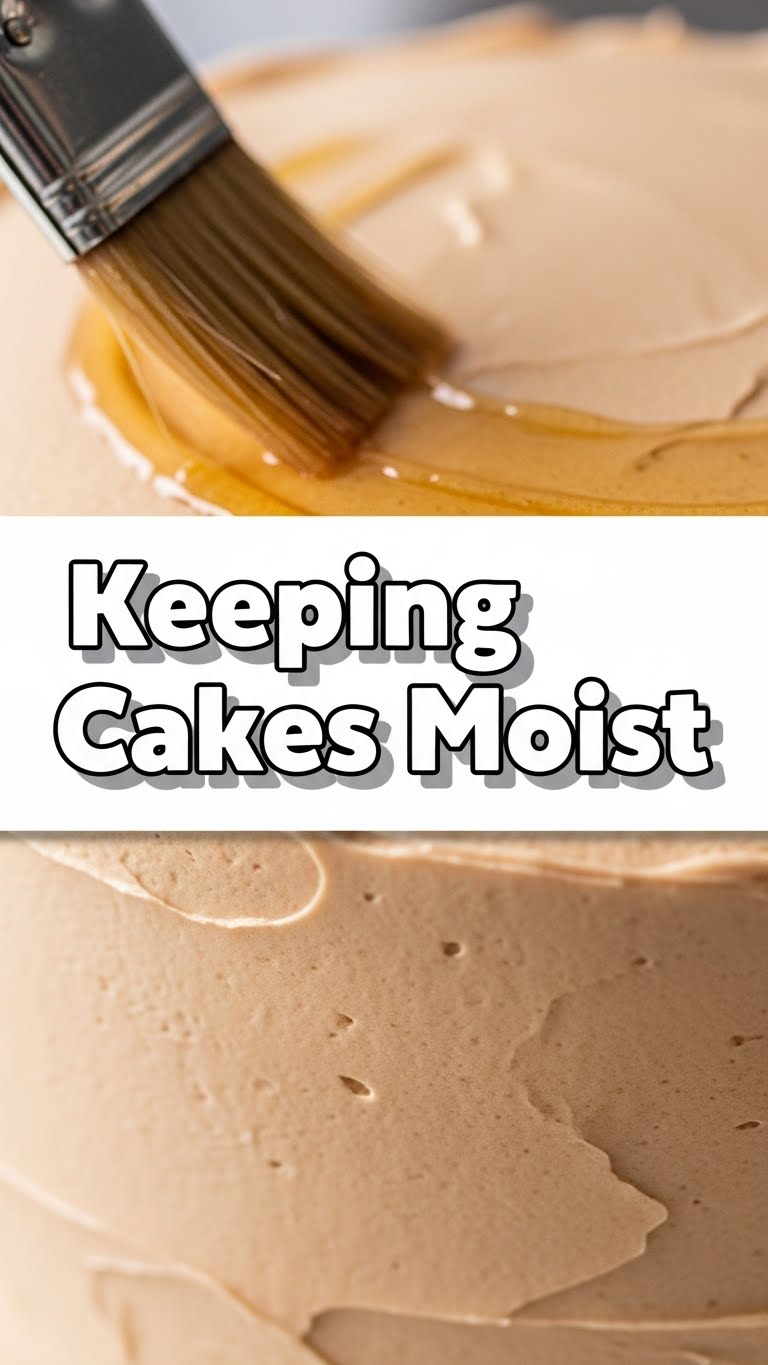
Don’t despair! You can try brushing a simple syrup (equal parts sugar and water, heated until dissolved) over the warm cake layers. It won’t be as good as a perfectly baked cake, but it can certainly bring it back from the brink of dryness.
- Should I store my cake in the fridge?
Generally, no, unless it has a perishable filling (like cream cheese frosting or fresh fruit). The fridge can actually dry out many cakes. Room temperature, tightly wrapped, is usually best for plain cakes and buttercream-frosted ones.
- Is it better to bake in a specific type of pan for moisture?
Dark metal pans absorb more heat, which can lead to overbaking and dryness. Lighter colored metal pans or even glass/ceramic pans (which conduct heat differently) tend to bake more evenly. If using a dark pan, consider lowering the oven temperature by 25°F (about 15°C).
Final Thoughts
There you have it, folks! No more dry cake woes for you. You’re now equipped with the knowledge to bake gloriously moist creations that make people weep tears of joy (and maybe ask for seconds). Go forth and bake with confidence! Now go impress someone—or yourself—with your new culinary skills. You’ve earned it!