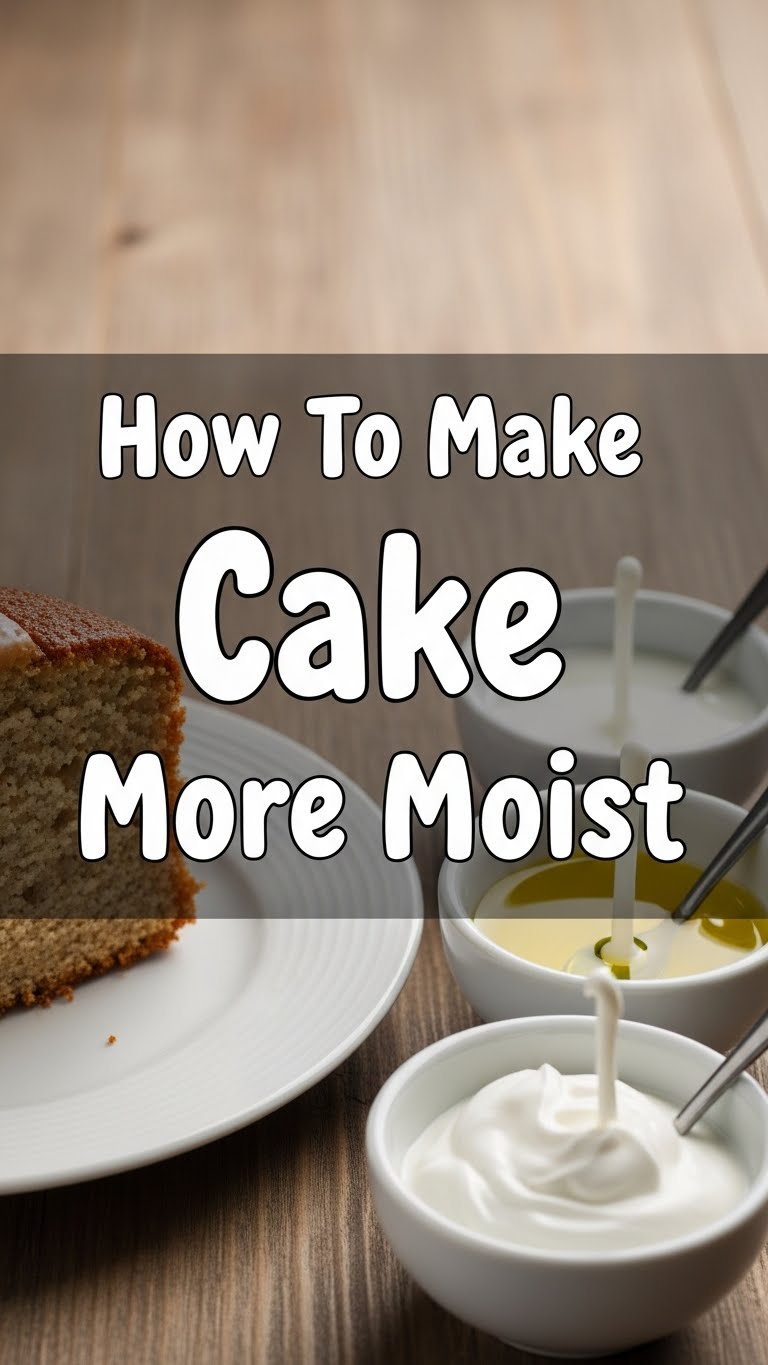
So, you’ve baked a cake. High five! But then you take a bite, and… *crickets*. It’s drier than a stand-up comedian’s worst joke, right? You’re not alone, my friend. We’ve all been there, staring sadly at a crumbly creation that promised so much more. But fear not, aspiring baking wizard! I’m here to spill the beans (or, you know, the milk, for moisture) on how to banish dry cake from your kitchen forever. Get ready to turn those sad, sandy slices into luscious, moist masterpieces. Let’s do this!
Why This Article is Awesome
Because nobody likes a dry cake, that’s why! This isn’t just about a recipe; it’s about a *philosophy* of moistness. We’re talking about simple tweaks and secret weapons that will transform your baking game. This isn’t some fancy chef’s treatise; it’s **idiot-proof**, even if your past baking attempts have resulted in bricks. You’ll learn how to inject maximum deliciousness without adding a ton of extra work. Plus, you get to feel smug when everyone raves about your impossibly moist cake. Worth it.
Ingredients You’ll Need (for Ultimate Moistness)
Think of these as your moist-making arsenal. You likely have most of them, but we’re going to use them strategically!
- **Buttermilk, Sour Cream, or Plain Yogurt:** Your creamy superheroes. These acidic dairy products are key.
- **Oil (like vegetable or canola):** Sometimes, butter’s just not enough. Oil brings unparalleled moisture.
- **Extra Egg Yolks:** Because who doesn’t love a little extra richness and fat?
- **Simple Syrup (sugar + water):** Your secret weapon for *after* the bake.
- **Pureed Fruit or Veggies (e.g., applesauce, mashed banana, grated zucchini):** Nature’s moist makers!
- **Pudding Mix (instant, dry):** A sneaky little trick for ultra-moist cakes.
- **Hot Liquid (coffee, milk, water):** Especially for chocolate cakes; it blooms the cocoa and keeps things super moist.
Step-by-Step Instructions to a Moist Cake Wonderland
- **Start with Room Temperature Everything (Mostly):** Your butter, eggs, and dairy should be at room temperature unless the recipe specifically says otherwise. This helps them emulsify better, creating a smoother batter that holds more air and, you guessed it, moisture. It’s a small step, but a mighty one.
- **Embrace the Fat (But Don’t Overdo It!):** Many recipes call for all butter. While butter is delicious, **oil is better for moisture retention**. Consider swapping out half the butter for a neutral oil (like canola or vegetable oil). Or, if your recipe is oil-based, a little extra oil can work wonders.
- **Dairy Up!:** If your recipe calls for milk, consider swapping it for **buttermilk, sour cream, or plain yogurt**. Their acidity tenderizes gluten, resulting in a softer, more moist crumb. If you don’t have buttermilk, add a tablespoon of lemon juice or white vinegar to regular milk and let it sit for 5 minutes. Instant buttermilk, practically!
- **Egg-cellent Additions:** For an extra boost of richness and moisture, try adding an **extra egg yolk or two** to your recipe. Yolks are full of fat and emulsifiers, making for a tender, moist cake.
- **Don’t Overmix, Seriously!:** Overmixing develops gluten, which leads to tough, dry cakes. Mix until just combined. You want a smooth batter, but don’t go crazy with that mixer. A few lumps are totally fine; consider them character.
- **Watch That Oven Like a Hawk (and Don’t Overbake!):** This is perhaps the biggest culprit of dry cakes. **Overbaking sucks the life out of your cake!** Start checking for doneness a few minutes *before* the recipe suggests. A wooden skewer or toothpick inserted into the center should come out with moist crumbs, but not wet batter.
- **The Simple Syrup Soak:** This is your secret weapon for *after* the cake is baked. While the cake is still warm (but out of the oven), gently poke holes in it with a skewer or toothpick and brush with a **simple syrup** (equal parts sugar and water, heated until sugar dissolves and then cooled). The cake will soak up that glorious liquid, keeping it moist for days.
- **Wrap It Up Warm:** Once your cake is out of the oven and slightly cooled (but still warm), **wrap it tightly in plastic wrap** while it’s still warm. This traps steam and moisture inside, ensuring it stays soft and delicious.
Common Mistakes to Avoid (Unless You Like Dry Cakes, You Weirdo)
- **Overbaking:** I cannot stress this enough. If you remember one thing, remember this: **pull your cake out as soon as it’s done**. A minute or two too long can make all the difference.
- **Forgetting Room Temperature Ingredients:** You think it’s just a suggestion? Nope. Cold eggs and butter don’t mix as well, leading to a less cohesive batter and a drier result. Don’t be that person.
- **Overmixing:** See step 5. Your mixer isn’t an endurance athlete; it doesn’t need to run a marathon. Just a quick sprint.
- **Not Using Enough Fat/Moistening Agents:** If your go-to recipe always comes out dry, it might be lacking the good stuff. Don’t be afraid to experiment with the alternatives listed above.
- **Opening the Oven Door Constantly:** Every time you peek, the oven temperature drops, affecting your cake’s rise and texture. Be patient, young Padawan.
Alternatives & Substitutions
Mix and match these to find your perfect moistness combo! You’re the chef, after all.
- **Butter vs. Oil:** For maximum moisture, a 50/50 split of butter and neutral oil is often best. The butter for flavor, the oil for moisture. If you want a denser cake, stick with butter.
- **Milk Alternatives:** Instead of plain milk, try **buttermilk, sour cream, or plain Greek yogurt**. They add tang, richness, and amazing moisture. Even a splash of heavy cream can make a difference.
- **Fruit Purees:** Feeling healthy-ish? Swap some of the oil or butter for **applesauce, mashed banana, pumpkin puree, or even grated zucchini**. They add moisture and a lovely subtle flavor. Think half the fat, replaced with puree.
- **Pudding Mix:** Add a packet of **instant pudding mix** (vanilla, chocolate, whatever complements your cake) to your dry ingredients. It’s a total game-changer for moisture and tenderness.
- **Coffee for Chocolate:** If you’re baking a chocolate cake, **hot coffee** instead of hot water can intensify the chocolate flavor and make it incredibly moist. It’s like magic, but tastier.
FAQ (Frequently Asked Questions)
Because I know you have questions, you little baking genius, you!
- **Does adding more liquid help?** Not necessarily by just dumping in extra milk! Too much liquid without balancing other ingredients can make your cake dense or gummy. Focus on *moistening agents* like oil, sour cream, or syrup rather than just water.
- **What about box mixes? Can I make those more moist?** Heck yeah! Box mixes are a fantastic canvas. Add an **extra egg yolk**, swap water for milk (or even buttermilk!), and replace oil with melted butter (or add a little extra oil). Even better, add a packet of **instant pudding mix** to the dry ingredients. Boom! Box mix elevated.
- **Can I make it *too* moist?** Well, technically yes. If it’s so wet it’s practically raw or gummy, you’ve gone too far. But we’re aiming for deliciously moist, not soup-like. Trust your gut and the toothpick test!
- **Should I use butter or oil for the best moistness?** For sheer moistness that lasts, **oil often wins**. It stays liquid at room temperature, keeping the cake soft. Butter solidifies, which can make cakes feel drier once cooled. A combo is often the best of both worlds!
- **How do I store a moist cake to keep it that way?** **Wrap it tightly!** As soon as it’s cooled (or after your simple syrup soak and initial plastic wrap), keep it covered. An airtight container or more plastic wrap is your best friend. Refrigeration can sometimes dry cakes out, so if it doesn’t have perishable frosting, room temperature is often fine for a day or two.
- **What’s the deal with buttermilk? Why is it so special for moisture?** It’s all about the acid! The acidity in buttermilk (and sour cream/yogurt) reacts with baking soda (if present) to create extra leavening, and more importantly, **it tenderizes the gluten** in flour. Less tough gluten = more tender, moist cake. It’s science, baby!
- **Can I fix an already dry cake?** If it’s just a little dry, a **simple syrup soak** can help revive it. Or, serve it with a luscious sauce (fruit compote, caramel sauce) or a big dollop of whipped cream. Sometimes, you just gotta work with what you got!
Final Thoughts
See? Making a cake that’s so moist it practically weeps deliciousness isn’t some dark art. It’s about a few simple swaps and mindful steps. Now you’re armed with the knowledge to conquer dry cake forever. Go forth and bake, my friend! **Don’t be afraid to experiment** a little. The best part? You get to eat all your delicious experiments. Now go impress someone—or yourself—with your new culinary skills. You’ve earned it!