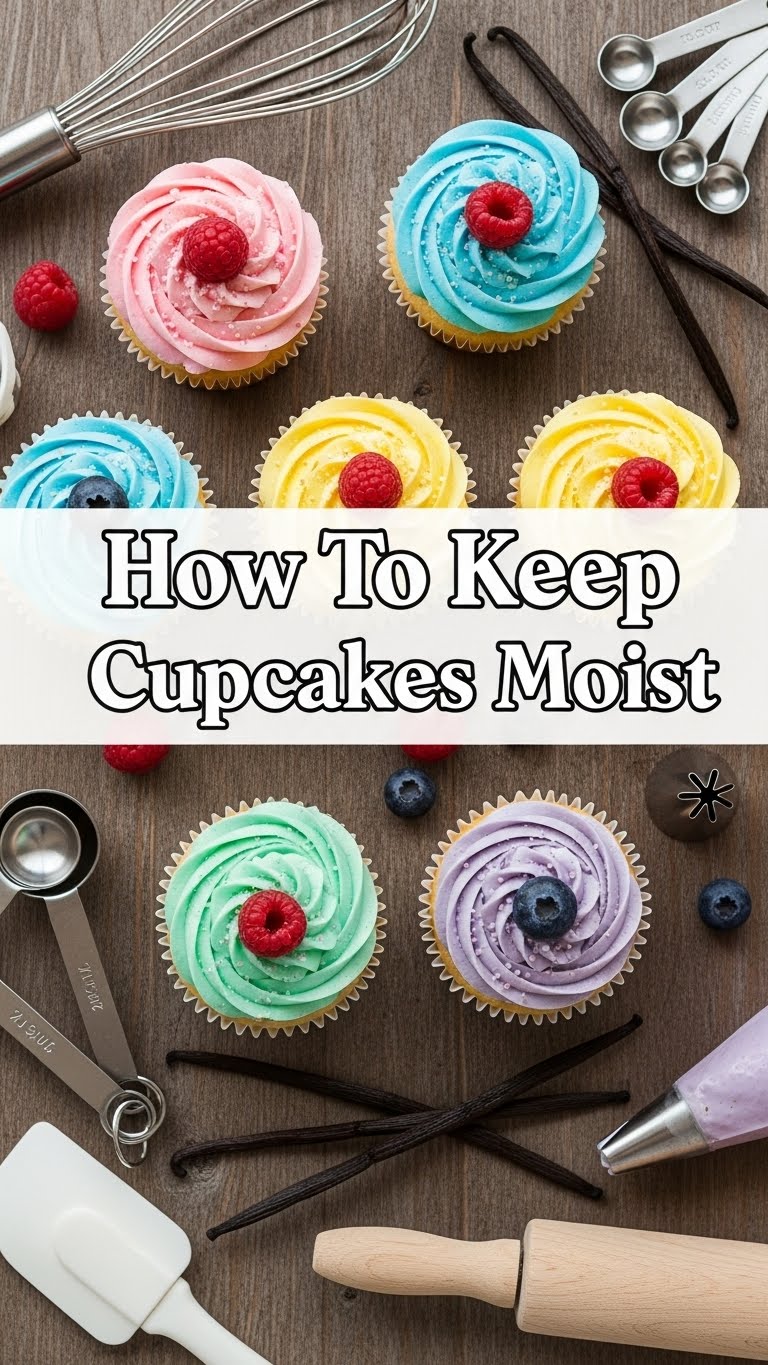
So, you’ve decided to conquer the elusive, moist cupcake, huh? Welcome to the club!
Ever bitten into a cupcake that felt drier than a forgotten cracker? Yeah, me too. And honestly, it’s a tragedy. Life’s too short for sad, crumbly cake. This isn’t about making a fancy-pants, 12-ingredient, 3-hour ordeal. This is about nailing that perfect, tender, melt-in-your-mouth moistness every single time, without losing your mind or your will to live. Consider this your cheat sheet to cupcake glory, whispered from one snack-lover to another.
Why This “Recipe” (More Like, Life Hack) is Awesome
Let’s be real, this isn’t a recipe for a *specific* cupcake flavour, but rather the secret sauce (or lack thereof) to making *any* cupcake recipe sing. It’s awesome because it’s **idiot-proof**. Seriously, if I can consistently produce moist, fluffy goodness without setting off the smoke alarm, you totally can too. It’s about a few tiny tweaks that make a HUGE difference. Plus, who doesn’t want to be the friend who brings the *good* cupcakes to the party?
Ingredients (and Some Philosophy) You’ll Need
Think of these as your squad for ultimate moisture. We’re not listing quantities here, because you’ll follow your fave cupcake recipe, but these are the MVPs you want to have on standby.
- **Good Quality Oil (like vegetable or canola)**: This is your moisture MVP, folks! It stays liquid at room temperature, keeping your cake tender longer than butter. Butter is great for flavour, but oil is the undisputed king of moistness.
- **Full-Fat Dairy (Buttermilk, Sour Cream, or Greek Yogurt)**: These guys bring a beautiful tang and an insane amount of moisture. They also help activate baking soda for that perfect lift. Don’t skimp here!
- **Large Eggs (at room temperature, please!)**: Not just for binding, but they contribute to structure and richness. Room temp eggs emulsify better, leading to a smoother, more uniform batter. Science, baby!
- **Granulated Sugar**: Beyond sweetness, sugar attracts and holds moisture. It’s a key player in keeping your cupcakes from drying out.
- **All-Purpose Flour (or Cake Flour, if you’re feeling fancy)**: The foundation. Cake flour has less protein, making for a more tender crumb, but good old AP works perfectly fine if you treat it right.
- **Vanilla Extract & Other Flavourings**: For deliciousness, obvs.
- **Baking Powder & Baking Soda**: Your leavening agents. Make sure they’re fresh!
Step-by-Step Instructions to Moisture Nirvana
Follow these steps *within* your chosen cupcake recipe, and prepare for glory!
- **Room Temperature is Your Best Friend:** Seriously, pull out your eggs, butter (if using any for flavour), and dairy a good hour before you start. **Cold ingredients don’t emulsify properly**, leading to a dense, sad cupcake. Give them a warm welcome!
- **Cream it Good (But Not Too Good):** If your recipe starts with creaming butter and sugar, do it until light and fluffy. This incorporates air. If it uses oil, just whisk it with the sugar.
- **Whisk Dry Ingredients Separately:** This ensures your leavening agents and salt are evenly distributed. Nobody wants a salty bite followed by a bland one. Give that flour, baking powder, and soda a good, gentle whisk.
- **Alternate Wet and Dry:** When combining wet and dry ingredients, add them in stages. Start and end with the dry ingredients. This helps maintain the batter’s structure and prevents overmixing.
- **DO NOT OVERMIX!** This is, hand on heart, the most crucial step for moist cupcakes. Once you add the dry ingredients, mix *just until combined*. A few lumps? Totally fine! Overmixing develops gluten, leading to tough, dry cupcakes. Think of it as a gentle caress, not a wrestling match.
- **Fill ‘Em Up (Just Right):** Fill your cupcake liners about two-thirds full. Too little, and they’ll be small and sad. Too much, and they’ll overflow and bake unevenly.
- **Bake ‘Em Right, Then Stop:** Bake at the temperature specified in your recipe. Set a timer for the *minimum* suggested time. Cupcakes are notorious for going from perfectly moist to desert-dry in seconds. Test for doneness with a toothpick (it should come out with a few moist crumbs, not wet batter). **When in doubt, underbake slightly!**
- **Cool Down Gracefully:** Let your cupcakes cool in the pan for 5-10 minutes. This allows them to finish baking gently and set. Then, transfer them to a wire rack to cool completely. Don’t leave them in the hot pan too long, or they’ll continue to bake and dry out!
- **Store Like a Pro:** Once completely cool, **store cupcakes in an airtight container** at room temperature. This is key for maintaining moisture. If you need to keep them longer, an airtight container in the fridge works, but bring them to room temp before serving.
Common Mistakes to Avoid (Unless You Like Dry Cake, You Rebel)
Listen, we all make mistakes. But some mistakes are just… moistness destroyers. Let’s not be those people.
- **Overmixing the Batter:** I already screamed about this, but it bears repeating. **It’s the ultimate sin against moistness.** The moment flour meets liquid, gluten starts developing. The more you mix, the more gluten develops, making your cupcakes tough and dry.
- **Overbaking:** Another cardinal sin. A few extra minutes in the oven can transform a perfectly moist cupcake into a crumbly disappointment. Watch them like a hawk!
- **Using Cold Ingredients:** Thinking you can just pull ingredients straight from the fridge and bake? Rookie mistake. Room temp, people, room temp!
- **Filling Liners Unevenly:** This leads to some cupcakes drying out while others are still underbaked. Consistency is key for even baking.
- **Bad Storage:** Leaving cupcakes uncovered or in a poorly sealed container is basically asking them to commit suicide by dryness. Seal ’em up!
Alternatives & Substitutions (Because Life Happens)
Sometimes you don’t have exactly what the recipe calls for, and that’s okay! We’re flexible, not rigid baking robots.
- **No Buttermilk? No Problem!** Mix 1 tablespoon of lemon juice or white vinegar with enough regular milk (dairy or non-dairy) to make 1 cup. Let it sit for 5-10 minutes until it curdles slightly. **Boom, homemade buttermilk!**
- **Sour Cream/Greek Yogurt Swap:** Pretty interchangeable! If a recipe calls for one, feel free to use the other. Full-fat options yield the best results for moisture.
- **Cake Flour Sub:** Don’t have cake flour? For every cup of all-purpose flour, remove 2 tablespoons and replace with 2 tablespoons of cornstarch. Sift it together a couple of times. Voilà, mock cake flour for a more tender crumb!
- **Oil vs. Butter:** If your recipe insists on butter for flavour, you *can* use it. Just know that butter-based cakes tend to dry out a *tiny* bit faster than oil-based ones. For max moistness, oil is still the winner.
FAQ (Frequently Asked Questions, Because You’re Curious!)
Got questions? I’ve got (casual, friend-like) answers!
- **Can I use just butter for the fat?** Well, technically yes, but why hurt your soul like that? Butter tastes amazing, but oil gives a superior moistness. For the best of both worlds, some recipes use a combo, or you can use a touch of melted butter for flavour and oil for moisture.
- **What if I don’t have any of the “moisture-boosting” dairy?** If you’re in a pinch, regular milk will work, but your cupcakes might be a tad less tender and moist. **IMO, it’s worth a quick trip to the store for buttermilk or sour cream!**
- **How long do super moist cupcakes stay moist?** Properly stored in an airtight container, they should stay beautifully moist for 2-3 days at room temperature.
- **Can I use whole wheat flour for healthier cupcakes?** You can, but whole wheat flour absorbs more liquid and can result in a denser, drier cupcake. You’ll likely need to adjust the liquid ratio in your recipe to compensate. Proceed with caution, my friend.
- **What’s the deal with room temperature ingredients again?** Think of it like a gentle hug. Cold ingredients resist mixing with other ingredients, leading to a lumpy, uneven batter. Room temp ingredients emulsify smoothly, creating a uniform batter that bakes beautifully and stays moist.
- **Can I bake cupcakes ahead of time and freeze them?** Absolutely! Bake, cool completely, then wrap them individually in plastic wrap and then foil. Freeze for up to 3 months. Thaw overnight in the fridge, then bring to room temp before frosting. **FYI, this is a lifesaver for party prep!**
Final Thoughts
And there you have it, my friend! Your roadmap to a world where dry cupcakes are but a distant, unpleasant memory. It’s all about those small, intentional choices that lead to big, delicious results. So go forth, experiment with your favourite recipes, and watch them transform into moist, tender masterpieces. Now go impress someone—or yourself—with your new culinary superpowers. You’ve earned it!