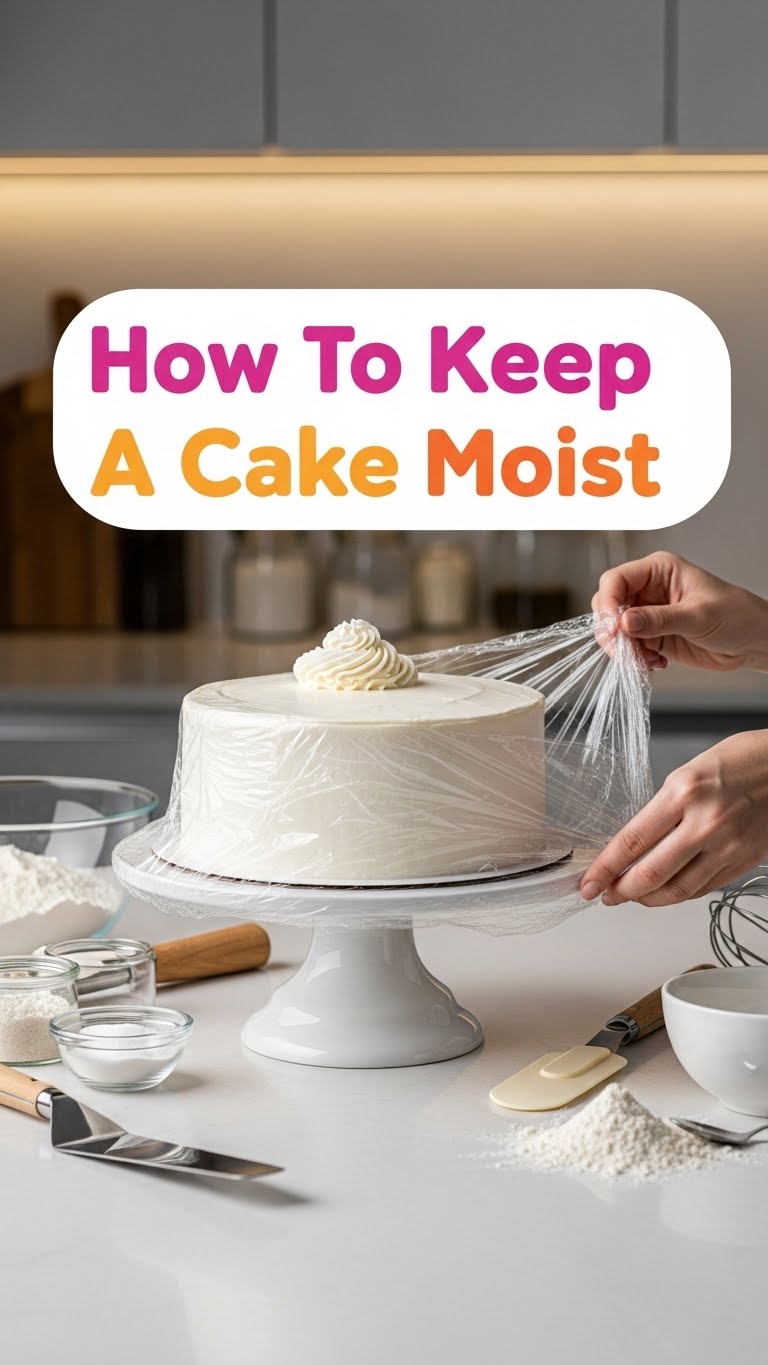
Ever pull a beautiful cake out of the oven, only to find it morphs into a dry, crumbly desert by day two? *Ugh.* Been there, munched that sad, dusty slice. Well, my friend, those days are officially over! We’re about to unlock the secrets to a cake so moist, it practically melts in your mouth – and stays that way. No more cake shame, just pure, unadulterated, tender deliciousness. Let’s do this!
Why This Article is Awesome
Because nobody likes a dry cake. Seriously, it’s a culinary sin! This isn’t just about baking a cake; it’s about giving your cake a hydration superpower. Think of it as a spa treatment for your baked goods. You’ll learn simple, game-changing tricks that are so easy, you’ll wonder why you ever struggled. Plus, it’s pretty much **idiot-proof**, even if your past baking attempts involved accidental smoke alarms. We’re aiming for a cake that makes people say, “OMG, how is this so moist?!” instead of, “Is there water around?”
Your Moist Cake Arsenal (aka What You’ll Need to Know/Do)
No obscure ingredients here, just a shift in technique and some smart choices. Consider these your secret weapons for ultimate moistness:
- Good Quality Ingredients: Fresh eggs, decent butter, etc. Your cake deserves the best, IMO.
- Accurate Measuring Tools: A kitchen scale is your BFF, especially for flour. No eyeballing allowed!
- The Right Kind of Fat: Sometimes oil is your friend, sometimes butter, sometimes both!
- Moisture Boosters: Think buttermilk, sour cream, yogurt, or even fruit purées.
- A Timer & Toothpicks: For checking doneness, because overbaking is the enemy.
- Airtight Storage: Your cake’s best friend post-bake.
Step-by-Step Instructions to Keep Your Cake Moist
These aren’t steps for a specific cake recipe, but crucial techniques you should apply to *any* cake recipe you’re baking to ensure maximum moistness. Follow these, and your cake will thank you!
- Measure Like a Pro: Seriously, this is huge. **Flour is often the culprit** for dry cakes if you scoop it directly. Spoon flour into your measuring cup, then level it off. Better yet, weigh it with a kitchen scale for precision. Too much flour means a thirsty cake!
- Don’t Overmix: Once you add the dry ingredients to the wet, mix *just until combined*. A few streaks of flour are totally fine. Overmixing develops gluten, which makes your cake tough and, you guessed it, dry.
- Embrace the Right Fats: Oil-based cakes (like many chocolate or carrot cakes) tend to stay moist longer than butter-based ones because oil is liquid at room temperature. For butter cakes, make sure your butter is at **perfect room temperature** for creaming. A combo of butter and a touch of oil can also work wonders!
- Add a Secret Moisture Weapon: Incorporate ingredients like buttermilk, sour cream, plain yogurt, or even mashed banana/applesauce into your batter. These add fat and acidity, keeping the crumb tender and moist.
- Don’t You Dare Overbake! This is the absolute biggest sin against a moist cake. Start checking for doneness a few minutes *before* the recipe suggests. Insert a toothpick into the center; if it comes out with moist crumbs attached (not wet batter, not completely clean), it’s done! A clean toothpick usually means it’s already a smidge overdone.
- Cool It Smart: Let your cake cool in the pan for 10-15 minutes (unless the recipe specifies otherwise) before inverting onto a wire rack to cool completely. This allows the internal moisture to redistribute.
- Wrap It Up Tight: Once completely cool, **wrap your cake tightly** in plastic wrap, then foil, or store it in an airtight container. This locks in all that glorious moisture. FYI, frosting also acts as a moisture barrier, so get slathering!
Common Mistakes to Avoid
So, you want a moist cake? Great! Now, avoid these common blunders that lead to sad, dry specimens:
- Thinking You Don’t Need a Timer: “Oh, I’ll just know when it’s done.” Famous last words. Use a timer, check early. Don’t eyeball baking times unless you’re a seasoned pro (and even then!).
- Scooping Flour Directly from the Bag: This compacts it, making you add way too much. Rookie mistake! See instruction #1.
- Forgetting to Preheat the Oven: Baking in a cold oven means uneven baking and can affect the rise and texture, leading to a drier cake.
- Cutting a Warm Cake: Unless it’s a specific type of cake designed to be eaten warm, resist! It needs to cool to set properly and retain moisture.
- Leaving Your Cake Uncovered: Air is the enemy of moist cake. It’ll suck the moisture right out. Wrap it, seal it, protect it!
Alternatives & Substitutions
Life’s too short for boring cakes, or for running to the store for one missing ingredient! Here are some simple swaps:
- No Buttermilk? No Problem! You can make your own! For 1 cup of buttermilk, put 1 tablespoon of lemon juice or white vinegar into a liquid measuring cup, then fill the rest with regular milk. Let it sit for 5-10 minutes until it slightly curdles. Voila!
- Oil vs. Butter: If your recipe calls for butter and you want extra moistness, try replacing a quarter of the butter with a neutral oil (like vegetable or canola). It really helps!
- Sugar Power: Brown sugar adds more moisture than white granulated sugar due to its molasses content. If a recipe uses all white sugar, you can sometimes substitute a portion with brown sugar for a chewier, moister crumb.
- Add a Soak: For truly next-level moistness, consider brushing your cooled cake layers with a simple syrup (sugar + water, maybe some liqueur or flavorings) before frosting. It’s a game-changer!
FAQ (Frequently Asked Questions)
- My cake always comes out dry, what’s the main culprit? Nine times out of ten, it’s overbaking or using too much flour. Seriously, nail those two, and you’re halfway to moist cake heaven!
- Does frosting really help keep a cake moist? Heck yes, it does! Think of it as a delicious, sugary shield against moisture loss. Spread that goodness generously!
- Can I add extra liquid to my recipe for more moisture? Proceed with caution! Adding too much liquid can throw off the balance and make your cake gummy or dense. Stick to the recipe, but maybe try a “moisture booster” ingredient like sour cream instead.
- How long will my moist cake stay fresh? If stored properly (tightly wrapped!), most cakes will stay delightfully moist for 3-4 days at room temperature. Some might even improve overnight as flavors meld!
- What about fruit purees? Do they really work? Absolutely! Applesauce, mashed bananas, pumpkin puree, or even shredded zucchini (don’t worry, you won’t taste it!) are fantastic for adding moisture and tenderness without adding a ton of fat.
- Can I use margarine instead of butter? Well, technically yes, but why hurt your soul like that? Margarine has a different fat and water content, which can mess with the texture and flavor. Stick to butter for best results, unless it’s a specific margarine-based recipe.
- Can I freeze cake to keep it moist? You bet! Freezing is an amazing way to preserve moisture. Wrap individual slices or whole unfrosted layers tightly in plastic wrap and then foil. Thaw at room temp, and it’ll be just as good as fresh.
Final Thoughts
And there you have it! Your personal guide to baking cakes so moist, they’ll make you question all your life choices (in a good way, of course). It’s less about a complicated recipe and more about understanding the little nuances that make all the difference. Now go forth, bake with confidence, and enjoy every single tender, delicious crumb. You’ve officially earned your moist cake guru badge. Go impress someone – or just yourself – with your new culinary superpower!