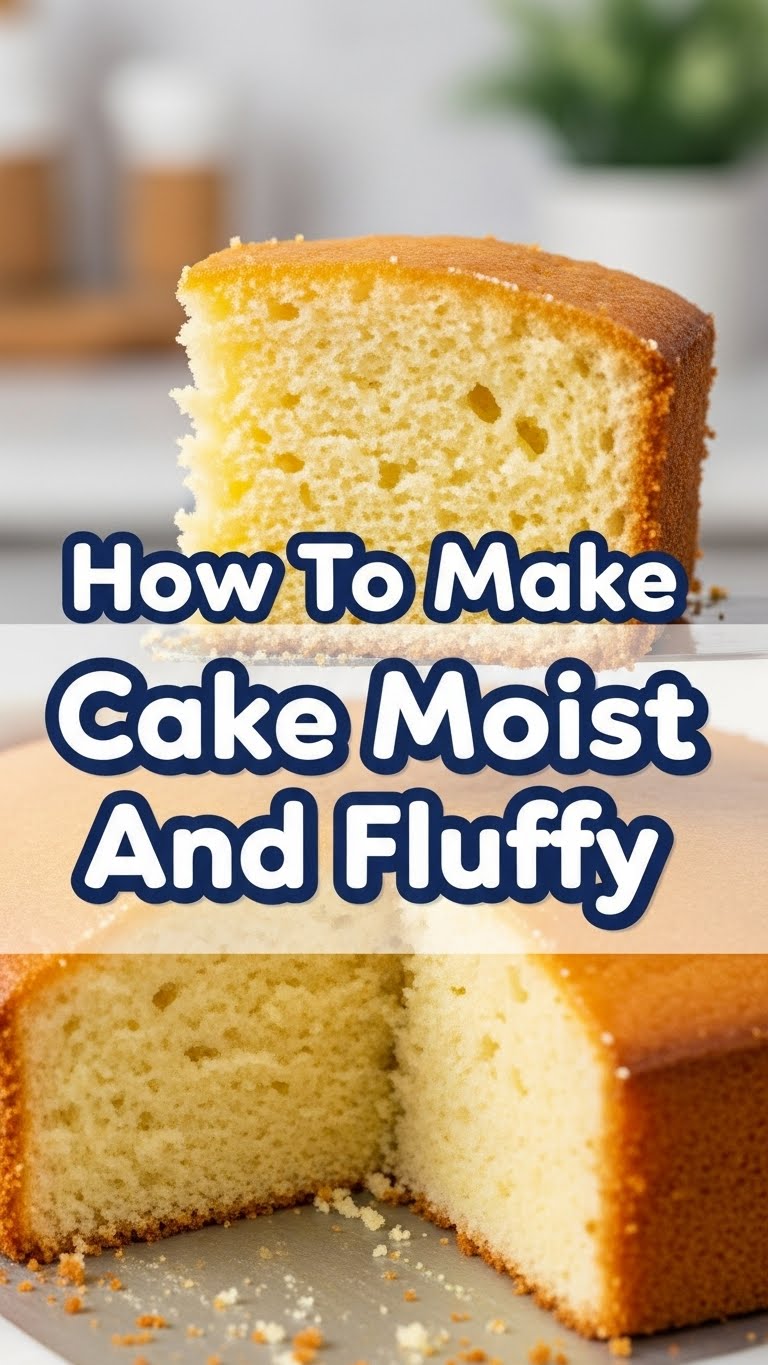
So, you’ve attempted to bake a cake, lovingly followed a recipe, only to pull out something that could double as a hockey puck or a Sahara desert landscape? Been there, done that, accidentally served it to unsuspecting guests. Awkward. But fear not, my friend! We’re about to unlock the secrets to baking a cake so moist and fluffy, it’ll make angels sing and your taste buds do a happy dance. No more dry, crumbly nightmares – only cloud-like perfection ahead!
Why This Wisdom is Awesome (aka, Why Listen to Me?)
Because nobody likes a dry cake, that’s why! This isn’t just about making *a* cake; it’s about making a cake that makes people gasp in delight and then beg for the recipe (which, of course, you’ll share, because you’re a good friend). This isn’t a whole new cake recipe; it’s the magical incantations and secret handshakes you add to *any* cake recipe to ensure it comes out like a dream. Think of it as your cake’s glow-up routine. Plus, it’s pretty idiot-proof. Seriously, even I manage to pull off fluffy masterpieces now, and my track record involves a few kitchen fires (don’t ask).
Key Players for a Moist & Fluffy Cake
These aren’t necessarily *ingredients* for a specific cake, but rather the essential components and considerations that make ALL cakes better. Think of them as your secret arsenal.
- Good Quality Butter (or Oil): Not the cheap stuff. Your cake deserves better. Butter gives flavor; oil often gives superior moisture. Choose your fighter!
- Cake Flour or All-Purpose Flour + Cornstarch: Cake flour has less protein, leading to a tender crumb. Can’t find it? Whisk 2 tablespoons of cornstarch into each cup of all-purpose flour. Voilà!
- Buttermilk, Yogurt, or Sour Cream: The acidic heroes! They break down gluten, making your cake super tender and moist. Plus, that tangy kick? Chef’s kiss!
- Eggs at Room Temperature: Cold eggs are grumpy eggs. Room temp eggs emulsify better with other ingredients, creating a smoother, more stable batter.
- Leavening Agents (Baking Powder/Soda): Your cake’s personal hot air balloons. Make sure they’re not expired, unless you like flat cakes.
- Sugar: Not just for sweetness! Sugar is hygroscopic, meaning it attracts and holds onto moisture. Don’t skimp, but don’t overdo it either.
- Parchment Paper: Because scrubbing stuck cake off a pan is a punishment no one deserves.
- An Oven Thermometer: Your oven is probably lying to you about its actual temperature. Get a thermometer; it’s a game-changer.
The Golden Rules for Moist & Fluffy Cake (aka, Step-by-Step Magic)
- Prep Like a Pro (Or at Least Like You Care): Preheat your oven to the correct temperature. No, really, preheat it fully. And line your cake pans with parchment paper. Butter and flour the sides, because we want the cake to release easily, not cling on for dear life.
- Room Temp Everything (Especially Eggs & Butter): If your recipe calls for butter and eggs, make sure they’re at room temperature. This is crucial! Room temperature butter creams up beautifully with sugar, incorporating air for fluffiness. Room temperature eggs blend smoothly into the batter without curdling.
- Cream Butter & Sugar Like Your Life Depends On It: If using butter, cream it with sugar until it’s light, pale, and fluffy (usually 3-5 minutes with an electric mixer). This is where you trap all that lovely air that makes your cake light and airy. Don’t rush this step!
- Add Eggs One at a Time: Slowly add your room temperature eggs, beating well after each addition. This ensures proper emulsification, preventing a greasy or curdled batter. Scrape down the sides of the bowl often, because no ingredient left behind!
- Alternate Wet & Dry Ingredients (The Pro Move): Begin and end with the dry ingredients. For example: a third of the flour mixture, half of the liquid (like buttermilk), another third of the flour, the rest of the liquid, then the final third of the flour. This prevents overmixing the flour and developing too much gluten, which leads to tough cakes.
- Mix *Just* Until Combined: Once you add the flour, mix on low speed only until no streaks of dry flour remain. Overmixing is the enemy of fluffy cake! It develops gluten, making your cake tough and dense. A few lumps are okay; dry flour is not.
- Don’t Overbake (The Ultimate Sin): Stick a toothpick into the center of the cake. If it comes out with moist crumbs, it’s done. If it comes out wet, it needs more time. If it comes out bone dry, you’ve probably overbaked it. Better to slightly underbake than overbake for moisture!
- Cool Smartly: Let the cake cool in the pan for 10-15 minutes before inverting it onto a wire rack. Cooling too long in the pan can make it soggy, but flipping it too soon can cause it to break. Patience, young padawan.
Common Mistakes to Avoid (aka, Don’t Be That Person)
- Not Reading the Entire Recipe First: Rookie move! Read it all, gather your ingredients, and then start. Saves you from mid-bake panic.
- Ignoring Room Temperature Ingredients: Seriously, this is not a suggestion, it’s a command! Cold ingredients lead to clumpy, sad batter.
- Overmixing the Batter: We just talked about this! It’s the number one killer of cake fluffiness. Mix it like you’re trying to not wake a sleeping baby.
- Opening the Oven Door Every Five Minutes: Your cake is baking, not performing a magic trick! Every time you open the door, the temperature drops, messing with your cake’s rise and texture. Set a timer and resist the urge to peek until the last 10 minutes.
- Baking at the Wrong Temperature: Your oven thermometer isn’t just for show. An oven that’s too hot will cook the outside too fast, making it dry. Too cool, and it won’t rise properly.
- Not Leveling Your Cake Pans: Uneven heating = uneven cake. If your oven racks are wonky, fix them.
Alternatives & Substitutions (Because We’re Flexible Like That)
- Butter vs. Oil: If you’re after supreme moisture, vegetable oil (like canola or sunflower) often wins over butter because it’s 100% fat, while butter is around 80% fat and 20% water. If you want that classic buttery flavor, stick with butter. You do you!
- Buttermilk Hack: No buttermilk? No problem! Add 1 tablespoon of white vinegar or lemon juice to a measuring cup, then fill the rest with regular milk until you reach the desired amount (e.g., 1 cup). Let it sit for 5-10 minutes until it slightly curdles. Instant buttermilk!
- Yogurt/Sour Cream: Greek yogurt or sour cream can often be swapped for buttermilk 1:1 in many recipes, or used in place of some of the fat for extra moisture and tang. Just make sure it’s full-fat for best results; nobody wants a watery cake.
- Different Sugars: Brown sugar adds more moisture than white granulated sugar due to its molasses content. Try swapping a portion of white sugar for brown sugar for an extra moist crumb, especially in chocolate or spice cakes.
FAQ (Frequently Asked Questions – Because You’ve Got Q’s, We’ve Got A’s)
Q: Why do my cakes always sink in the middle?
A: Ah, the dreaded crater! Usually, this means your oven temperature was too low, you opened the oven door too early, or you overmixed your batter (which weakens the structure). Sometimes it’s too much leavening agent. So many ways to fail, so little time!
Q: Can I use cold eggs if I’m in a hurry?
A: Well, technically yes, but why hurt your cake like that? Cold eggs don’t emulsify as well, meaning your batter won’t be as smooth or airy. If you’re *really* in a pinch, put them in a bowl of warm (not hot!) water for 5-10 minutes.
Q: My cake is moist, but not very fluffy. What gives?
A: Sounds like overmixing the flour, or maybe your leavening agents are old. Ensure you’re creaming butter and sugar sufficiently to incorporate air, and then mix the flour *just* until combined. Check those expiration dates, too!
Q: How do I know when my cake is truly done without overbaking?
A: The toothpick test is your best friend! Insert it into the center. If it comes out with a few moist crumbs attached, it’s perfect. If it’s clean, it might be slightly overbaked. If it’s gooey batter, keep baking!
Q: Can I add extra liquid for a super moist cake?
A: Not without adjusting other ingredients! Adding too much liquid can throw off the delicate balance of your batter, making it dense or even causing it to collapse. Stick to the recipe and use the techniques above instead.
Q: Is it okay to use self-rising flour?
A: If the recipe specifically calls for it, yes. But if it calls for all-purpose flour, don’t just swap it. Self-rising flour already has baking powder and salt, so you’d mess up the leavening and seasoning balance. Unless you like experiments that taste like baking soda, don’t do it.
Final Thoughts
There you have it! Your personal cheat sheet to becoming a cake whisperer. Baking is a science, but it’s also an art, and now you’ve got the insider tips to master both. So go forth, my friend, and bake the most gloriously moist and fluffy cake the world has ever seen. Or at least, the most glorious one *you’ve* ever made. Now go impress someone—or yourself—with your new culinary skills. You’ve earned it!