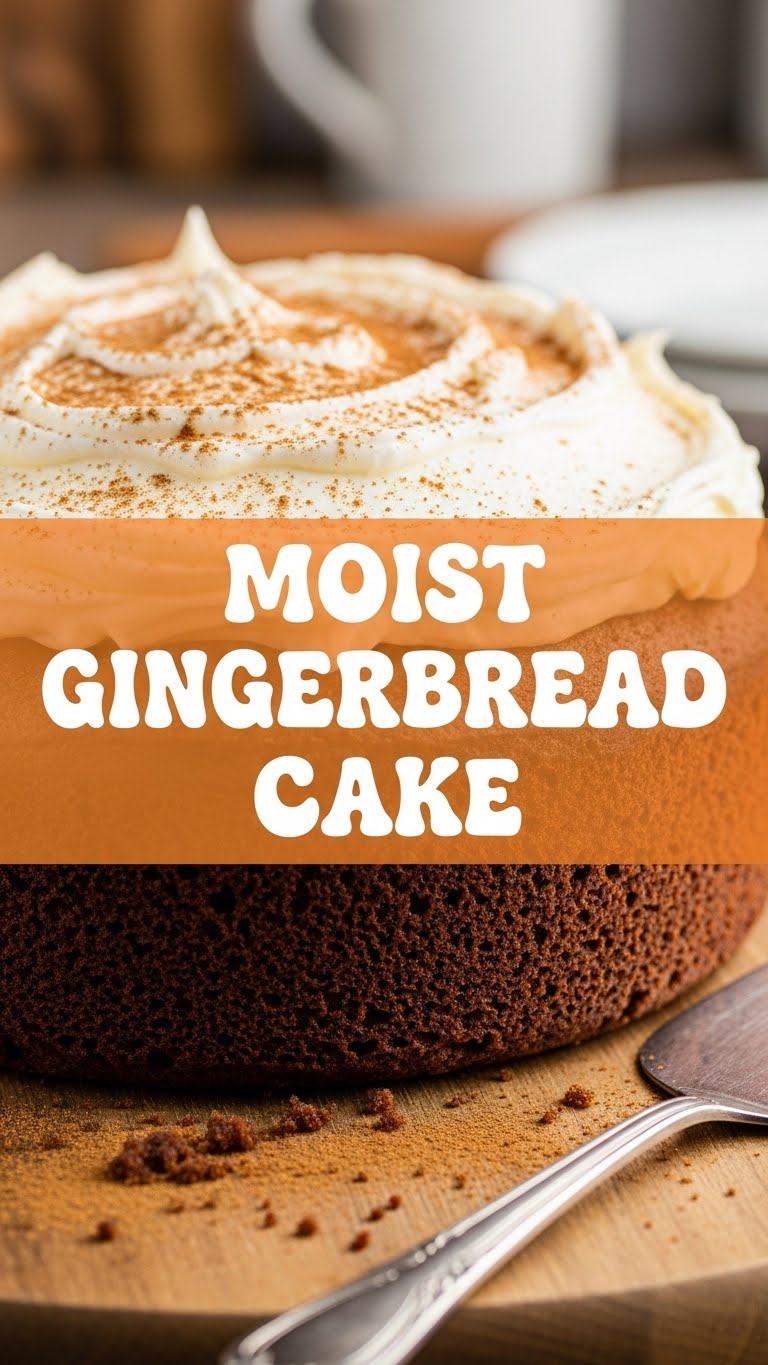
So, you’re craving something warm, spicy, and utterly delicious but secretly hoping it won’t involve a degree in advanced pastry chef-ology? You’ve come to the right place, friend. We’re about to dive headfirst into the glorious world of **Moist Gingerbread Cake**, and trust me, it’s so good, you might just marry it. Or at least bake it every week. No judgment here.
Why This Recipe is Awesome
Because let’s be real, life is too short for dry, crumbly cake. This gingerbread cake isn’t just moist; it’s practically *dewy*. We’re talking melt-in-your-mouth, spiced perfection that’s surprisingly easy to whip up. Seriously, it’s pretty much idiot-proof. Even I, someone who once accidentally used salt instead of sugar in a batch of cookies (don’t ask), have mastered this one. It comes together quickly, smells like a holiday in a pan, and tastes like a warm hug. What’s not to love?
Ingredients You’ll Need
Gather ’round, buttercup, it’s ingredient time! Don’t worry, nothing too fancy, just the good stuff.
- All-Purpose Flour: About 2 cups. The OG, the foundation, the glue that holds our dreams together.
- Granulated Sugar: 1 cup. For that sweet, sweet goodness.
- Dark Brown Sugar: ½ cup, packed. This is where a lot of that moist magic comes from, folks. Don’t skip it!
- Baking Soda: 1 ½ teaspoons. Our trusty leavening agent.
- Ground Ginger: 2 teaspoons. Duh. It’s gingerbread cake!
- Ground Cinnamon: 1 ½ teaspoons. Ginger’s best friend.
- Ground Cloves: ½ teaspoon. For that deep, mysterious spice.
- Ground Nutmeg: ½ teaspoon. A little extra warmth.
- Salt: ½ teaspoon. Just a pinch to balance everything out.
- Large Eggs: 2, at room temperature. Give them a little spa day on the counter before cracking.
- Molasses: ½ cup, unsulphured. Blackstrap if you’re feeling adventurous, but regular works great. This is the **heart and soul** of the gingerbread flavour.
- Vegetable Oil (or Canola): ½ cup. For that glorious moisture without the fuss of creaming butter.
- Boiling Water (or Hot Coffee): 1 cup. Yes, boiling! It activates the baking soda beautifully. Hot coffee adds an extra layer of flavour depth, IMO.
Step-by-Step Instructions
Alright, apron on, game face ready! Let’s bake some deliciousness.
- Preheat & Prep: First things first, preheat your oven to **350°F (175°C)**. Grease and flour a 9×13 inch baking pan. You can also line it with parchment paper for easy removal if you’re feeling fancy.
- Whisk the Dry Stuff: In a large bowl, whisk together your flour, granulated sugar, brown sugar, baking soda, ginger, cinnamon, cloves, nutmeg, and salt. Make sure there are no lumps, especially from the brown sugar.
- Wet Ingredients Unite: In a separate, medium-sized bowl, lightly whisk your eggs. Then, add the molasses and vegetable oil and whisk until well combined.
- Combine & Conquer: Pour the wet ingredients into the dry ingredients. Stir them together until *just* combined. Don’t go crazy here; we don’t want tough cake!
- Add the Hot Stuff: Carefully pour in the boiling water (or hot coffee) and stir until the batter is smooth. It’ll be a fairly thin batter, don’t panic—that’s normal!
- Bake It Baby: Pour the batter into your prepared pan. Pop it into the preheated oven and bake for **30-35 minutes**, or until a wooden skewer inserted into the center comes out clean.
- Cool Down: Let the cake cool in the pan for about 15-20 minutes before carefully transferring it to a wire rack to cool completely. Or, if you’re impatient like me, dig in while it’s still warm!
Common Mistakes to Avoid
Nobody’s perfect, but we can try to avoid these rookie errors, right?
- Overmixing the Batter: The cardinal sin! Once you add the wet to the dry, stir *just* until combined. Overmixing develops the gluten too much, leading to a tough, dry cake. Nobody wants that.
- Not Using Room Temperature Eggs: Cold eggs don’t emulsify as well with other ingredients, which can affect the cake’s texture. Plan ahead, people!
- Skipping the Hot Liquid: That boiling water isn’t just for thinning the batter; it helps activate the baking soda and creates that lovely soft, tender crumb. Don’t try to use cold water!
- Overbaking: This is a moist cake, but even the moistest cake can turn into a sad, dry brick if you leave it in the oven too long. Keep an eye on it after the 30-minute mark!
Alternatives & Substitutions
Feeling a little wild? Or maybe you just ran out of something? Here are some simple tweaks.
- Spice It Up (or Down): If you’re not a fan of one of the spices, feel free to adjust. Want more kick? Add another teaspoon of ginger! No cloves? Just increase the cinnamon and nutmeg slightly. Easy peasy.
- Coffee vs. Water: As mentioned, hot coffee instead of boiling water adds a beautiful depth of flavour that complements the molasses and spices. Definitely worth a try if you have it!
- Fat Swaps: While oil gives amazing moisture, you could use melted butter if you really prefer that flavour profile. Just make sure it’s cooled slightly before adding to the eggs.
- Glaze Options: This cake is amazing plain, but a simple lemon glaze (powdered sugar + lemon juice) or a cream cheese frosting takes it up another notch. Just sayin’.
FAQ (Frequently Asked Questions)
Got questions? I’ve got (casual, opinionated) answers!
- Can I use light brown sugar instead of dark? You *can*, but you’ll lose some of that deep, rich molasses flavour and some moisture. Dark brown sugar is your best friend here, FYI.
- My molasses is super thick, is that okay? Totally normal! Molasses is a sticky beast. Just make sure to measure it accurately. Pro tip: lightly grease your measuring cup with a bit of oil before adding the molasses, and it’ll slide right out!
- Can I make this gluten-free? Absolutely! Swap out the all-purpose flour for a good quality 1:1 gluten-free baking blend. The texture might be slightly different, but it should still be delicious.
- How long does this cake last? Covered tightly at room temperature, it’s fantastic for 3-4 days. It actually gets *more* moist and flavorful on day two!
- Can I freeze gingerbread cake? You bet! Wrap cooled cake slices (or the whole thing) tightly in plastic wrap, then foil, and freeze for up to 2-3 months. Thaw at room temp.
- Do I really need room temperature eggs? What if I forgot? Yes, you really do! But if you forgot, pop them in a bowl of warm (not hot!) water for 5-10 minutes. Crisis averted!
Final Thoughts
So there you have it, your new go-to recipe for a gingerbread cake that’s anything but dry. This isn’t just a cake; it’s a mood, a feeling, a warm hug for your taste buds. Go forth and conquer your kitchen, impress your friends (or just yourself, because you deserve it!), and enjoy every single moist, spicy bite. You’ve earned this culinary win!