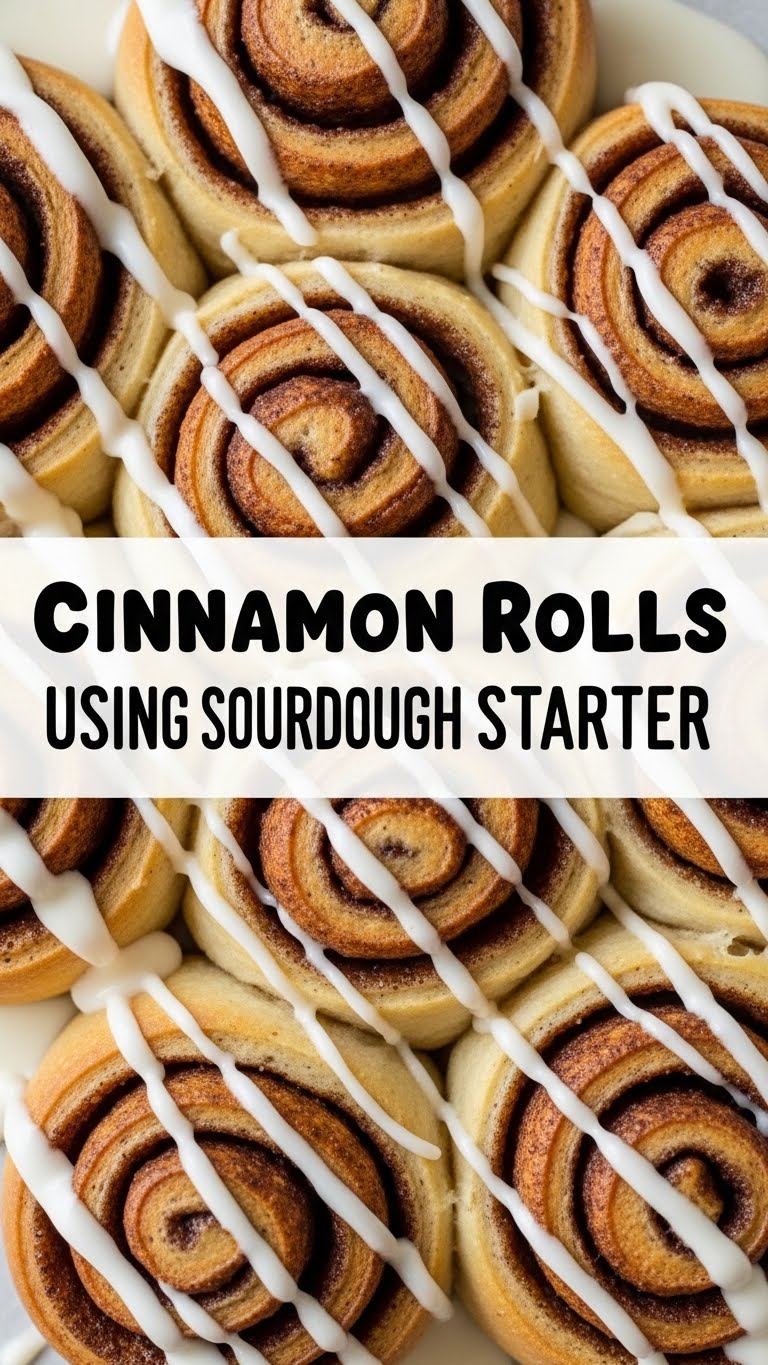
So, you’ve got this sourdough starter bubbling away, maybe it’s even got a name (mine’s “Bubbles,” original, I know), and you’re thinking, “What else can this magical goo do besides make bread I accidentally burn?” Friend, I feel you. Today, we’re taking that bubbly beast and turning it into something truly magnificent: fluffy, dreamy sourdough cinnamon rolls that will make your taste buds do a happy dance. And no, you don’t need to be a Michelin-star chef. If I can do it, you *definitely* can.
Why This Recipe is Awesome
Okay, let’s be real. There are a million cinnamon roll recipes out there. But *this* one? It’s different. First off, it uses your sourdough starter, which means you get that incredible depth of flavor and a fantastic texture without all the yeast-proofing drama. Plus, it’s basically a scientific experiment disguised as baking, so you can totally impress people with your “artisan skills.” It’s also surprisingly forgiving. Mess up a bit? Probably still delicious. It’s practically idiot-proof, and coming from someone who once put salt in her coffee thinking it was sugar (don’t ask), that’s high praise. The rolls come out pillowy soft with a slight tang that cuts through the sweetness beautifully. Prepare for compliments, because they’re coming.
Ingredients You’ll Need
Gather your troops! Here’s what you’ll need to make your kitchen smell like a bakery (in a good way, hopefully).
- Active Sourdough Starter: About 100g. Your starter should be fed and bubbly, practically begging to be used. Don’t use sad, sleepy starter unless you like flat rolls.
- Warm Milk: 150ml. Just warm enough to be comfy for your finger, not boiling. We’re not making soup here.
- Granulated Sugar: 50g for the dough, plus another 100g for the filling. Because sugar is happiness.
- Melted Unsalted Butter: 50g for the dough, plus 50g (softened) for the filling. And then probably more for brushing. Butter makes everything better, fight me.
- Large Egg: 1. Room temperature, please. It mixes better.
- All-Purpose Flour: 300g (plus more for dusting). The backbone of our operation.
- Salt: A mere 5g. Just enough to make the other flavors pop, not to make you think you’re at the Dead Sea.
- Ground Cinnamon: 2 tablespoons. The star of the show! Don’t skimp.
- Brown Sugar: 50g for the filling. Adds that lovely caramel-y depth.
- Cream Cheese Frosting Ingredients:
- Softened Cream Cheese: 100g. The full-fat stuff, naturally.
- Softened Butter: 50g. See? More butter.
- Powdered Sugar: 100g. Sifted, unless you enjoy lumps.
- Vanilla Extract: 1 teaspoon. Makes it fancy.
- A splash of milk or cream (optional, for thinning if needed).
Step-by-Step Instructions
Alright, apron on, game face ready. Let’s get baking!
- Make the Dough: In a large bowl, whisk together your active sourdough starter, warm milk, 50g granulated sugar, melted butter, and the egg. Mix until well combined.
- Add Dry Ingredients: Gradually add the flour and salt to the wet mixture. Stir with a wooden spoon or your hands until a shaggy dough forms.
- Knead It Out: Turn the dough out onto a lightly floured surface. Knead for about 5-7 minutes until it’s smooth and elastic. It should pass the “windowpane test” (stretches thin without tearing).
- First Rise (Bulk Fermentation): Place the dough in a lightly oiled bowl, cover it with plastic wrap or a damp towel, and let it rise in a warm spot for 8-12 hours. This is where the sourdough magic happens. You want it to roughly double in size. If your kitchen is cold, this might take longer.
- Prep the Filling: While your dough is rising (or after, no rush), mix the 100g granulated sugar, 50g brown sugar, and 2 tablespoons of cinnamon in a small bowl. Set aside.
- Roll It Out: Once your dough has risen, gently punch it down. Turn it onto a lightly floured surface and roll it into a large rectangle, about 12×18 inches. Don’t overthink the shape too much, we’re not aiming for perfection, just deliciousness.
- Spread the Love: Spread the 50g softened butter evenly over the rolled-out dough, leaving a small border on one long edge. Sprinkle your cinnamon-sugar mixture generously over the butter.
- Roll ‘Em Up: Starting from one long edge, tightly roll the dough into a log. Once rolled, pinch the seam closed to seal it.
- Slice and Dice: Using a sharp knife or even unflavored dental floss (seriously, it makes cleaner cuts!), cut the log into 12 equal rolls, about 1.5 inches thick.
- Second Rise (Proofing): Arrange the rolls in a greased 9×13-inch baking dish. Cover loosely and let them rise again in a warm spot for 1-2 hours, or until visibly puffy and nestled together. Preheat your oven to 375°F (190°C) during the last 30 minutes of this rise.
- Bake Time!: Bake for 20-25 minutes, or until the tops are golden brown and the rolls are cooked through. If they start browning too quickly, you can loosely tent them with foil.
- Make the Frosting: While the rolls are cooling slightly, beat together the softened cream cheese, 50g softened butter, powdered sugar, and vanilla extract until smooth and creamy. Add a splash of milk if it’s too thick.
- Frost and Devour: As soon as the rolls come out of the oven, or after they’ve cooled for a few minutes, spread that glorious frosting all over them. Don’t wait too long to frost! Warm rolls absorb the frosting like a dream. Now, go eat one (or three). You’ve earned it.
Common Mistakes to Avoid
Look, we all make mistakes. It’s part of the fun, right? But here are a few common pitfalls to sidestep if you want truly legendary cinnamon rolls.
- Impatience with the Starter: Using a sluggish starter is like trying to win a race with a flat tire. Make sure it’s active and bubbly. A sleepy starter equals sad, flat rolls.
- Not Kneading Enough: Your dough needs that gluten development for structure. Don’t rush it. A well-kneaded dough is a happy dough.
- Over-Flouring: Resist the urge to add too much flour during kneading or rolling. A sticky dough is better than a dry, tough one. Add flour sparingly.
- Skipping the Second Rise: That second rise (proofing) is crucial for those light, airy textures. Don’t skip it just because you’re hungry (I know, it’s hard).
- Thinking you don’t need to preheat the oven: Rookie mistake! A properly preheated oven ensures even baking from the start. Cold ovens make sad pastries.
- Under-baking: Undercooked rolls are gummy. Bake until golden brown and they spring back when gently pressed.
Alternatives & Substitutions
Feeling a little rebellious, or just missing an ingredient? Here are some tweaks:
- No Brown Sugar? Just use more granulated sugar for the filling. It’ll still be sweet, just less “caramel-y.”
- Dairy-Free? You can definitely use plant-based milk (almond, soy, oat) and dairy-free butter. The frosting might be trickier, but there are decent dairy-free cream cheese alternatives out there.
- Spice it Up: Add a pinch of nutmeg or cardamom to your cinnamon filling for an extra layer of warmth. Trust me, it’s delicious.
- Different Frosting: If cream cheese isn’t your jam (gasp!), a simple powdered sugar glaze (powdered sugar + milk/water) works too. Or just sprinkle some powdered sugar on top and call it rustic.
- Overnight Option: Want fresh rolls in the morning? After slicing and placing in the pan for the second rise, cover them tightly and refrigerate overnight. Take them out in the morning and let them come to room temp (about 1-2 hours) before baking. Genius!
FAQ (Frequently Asked Questions)
- Can I use an unfed starter? Well, technically yes, but why hurt your soul like that? An unfed, sluggish starter won’t give your rolls the lift or the beautiful sourdough tang we’re aiming for. Feed it, wait for the bubbles, then bake!
- My dough is super sticky, is that normal? Yep, totally normal! Sourdough can be a bit stickier than traditional yeast doughs. A little extra flour on your hands and surface is fine, but don’t go crazy.
- How do I know if my dough has risen enough? For the first rise, it should roughly double in size. For the second rise, the rolls should look noticeably puffier and fill out the pan. You can also do a gentle poke test – if it springs back slowly, it’s good to go.
- Can I use margarine instead of butter? Technically yes, but why hurt your soul like that? Butter provides superior flavor and texture. Margarine is a last resort, IMO.
- How do I store leftover cinnamon rolls? Ha, “leftover” cinnamon rolls, that’s a good one! If by some miracle you have any, store them in an airtight container at room temperature for a day or two, or in the fridge for up to 5 days. Reheat gently in the microwave or oven.
- My rolls are dense, what went wrong? Most likely, your starter wasn’t active enough, or you didn’t let them rise long enough. Patience, young padawan!
Final Thoughts
So there you have it, folks! You’ve just conquered the art of sourdough cinnamon rolls. Feel free to bask in the glory, post a million photos, and enjoy the delicious fruits of your labor. This recipe isn’t just about baking; it’s about the joy of creating something amazing from scratch, and honestly, impressing everyone with your sourdough prowess. Now go impress someone—or yourself—with your new culinary skills. You’ve earned it! And maybe send me a roll. Just kidding (mostly).